Annapurna Jayanti 2025: Date, significance, puja rituals and blessings for prosperity
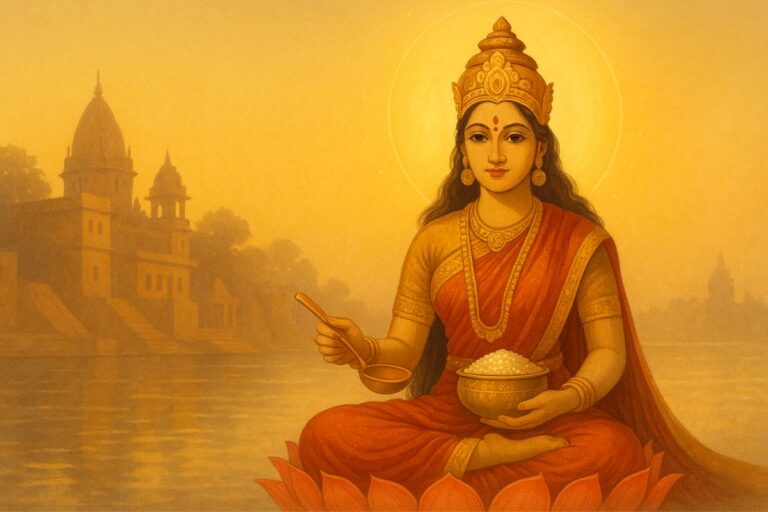
Annapurna Jayanti is one of those rare days that pulls you straight into the heart of your home. Not through rituals or tradition, but through something far more personal: the way you cook, the way you feed the people you love and the way your home feels when warmth rises from the kitchen. This festival belongs to Maa Annapurna, the goddess who turns food into blessing, nourishment into protection and a simple meal into a promise that your house will never lack what it truly needs. It is a day that reshapes how you think about abundance. Not as wealth, but as the comfort that comes when every plate is full, and every corner of the home feels looked after. Let’s explore the date, puja timings, rituals and the gentle spiritual meaning that makes this day feel like a warm meal for the soul.
Annapurna Jayanti 2025: Date, Tithi and Auspicious Timings
Annapurna Jayanti: Thursday, December 4, 2025
Purnima Tithi begins: 08.37 am on 4 December 2025
Purnima Tithi ends: 04.43 am on 5 December 2025
Most auspicious timings for puja:
Use only the following Shubha, Labha and Amrita periods for worship, recitation and Anna Daan:
Shubha: 06.59 am to 08.17 am
Labha: 12.11 pm to 01.29 pm
Amrita: 01.29 pm to 02.48 pm
Shubha: 04.06 pm to 05.24 pm
Amrita: 05.24 pm to 07.06 pm
These are the windows where the energy of the day is believed to flow with the most ease.
Why Annapurna Jayanti is celebrated
According to the Puranas, the world once fell into famine when Goddess Parvati withdrew all food to remind Lord Shiva that food is not mere illusion but the foundation of life itself. When hunger spread across the earth, and Shiva approached Her with humility, She manifested as Maa Annapurna, feeding the city of Kashi with Her own hands. This moment became Annapurna Jayanti: a celebration of nourishment, gratitude and the feminine power that sustains the universe. It is a festival that teaches a simple truth: to respect food, to share it, and to never take it for granted.
Spiritual significance of Annapurna Jayanti
Worshipping Maa Annapurna on Margashirsha Purnima is believed to bring:
• A home filled with food and prosperity
• Emotional stability and peace
• Removal of scarcity or financial stress
• Blessings of wealth and steady income
• A deeper sense of gratitude for daily nourishment
Above all, this day emphasises Anna Daan, the giving of food, which is considered one of the highest forms of charity in Hindu tradition.
Simple Annapurna Jayanti puja vidhi
You do not need an elaborate temple setup to honour the goddess. Annapurna Jayanti is best observed with simplicity and sincerity. Below is a clear, heart-led way to perform the puja at home.
- Start with a calm morning: Wake early, bathe and tidy your kitchen space. Maa Annapurna is believed to reside where food is prepared, so beginning with a clean, peaceful kitchen is part of the worship itself.
- Set up your altar: Place an idol or picture of the goddess, light a diya and keep grains, flowers, turmeric, sandalwood, fruits and naivedya nearby. Let the setup feel warm and welcoming rather than formal.
- Make your offerings: Offer rice, fruits, sweets and water to the goddess. Apply turmeric and sandalwood to the idol and take a moment to express gratitude for the food that sustains your home.
- Chant mantras for nourishment: After the offerings, chant Annapurne Sada Purne Shankara Pranavallabhe and Om Namah Shivay to invoke nourishment, balance and harmony. You can play Annapurna Chalisa and Om Namah Shivay on AstroSure.ai and help create a peaceful spiritual tone.
- Read a small prayer or passage: If possible, read a short section from the Annapurna Sahasranama or simply offer a heartfelt prayer for abundance and well-being in your home. Even a few minutes count.
- Walk a gentle pradakshina: Take seven slow rounds around the idol, focusing on gratitude and the intention that your home remains protected and plentiful.
- Share the prasad: Offer the naivedya to the goddess and then share the prasad with your family. Let the rest of the day be softer than usual, with more generosity and less rush.
- Close with an evening diya: At sunset, light a diya again, say a small prayer of thanks and end the festival with a quiet sense of fulfilment.
The deeper meaning of Anna Daan
Food donation sits at the centre of Annapurna Jayanti because it reflects the goddess herself. From old scriptures to the traditions of Kashi, the message has never changed: nothing you offer holds more power than the food you share. Give grains, serve a meal, feed birds, offer cooked rice to someone who needs it and do it with a feeling of warmth rather than duty. Every small act becomes a blessing in motion. It is believed that a home where food is honoured, not wasted and freely shared, never struggles with scarcity.
Kitchen rituals and spiritual reminders
Since Maa Annapurna is believed to reside in the kitchen, devotees follow a few simple practices:
- Keep your stove and sink separate, as per Vastu
- Do not waste food or leave leftovers on plates
- Take only as much as you can eat
- Keep the kitchen clean and warm with a diya
These actions symbolise respect for nourishment and ensure the goddess’s blessings stay in the home.
Annapurna Jayanti is not about perfection. It is about acknowledging that the simplest things in life are often the most sacred. A bowl of rice. A warm meal. A stocked kitchen. A home that never feels empty. If you can offer gratitude, share food and honour the goddess with sincerity, you have celebrated the festival exactly as it was meant to be observed.
Ask Agastyaa on AstroSure.ai for personalised Annapurna Jayanti guidance today
Want personalised cosmic guidance?
Download AstroSure and chat with Agastyaa AI for insights tailored to your birth chart.
Download AstroSure