Are outer planets like Uranus, Neptune and Pluto malefic or benefic in Vedic astrology?
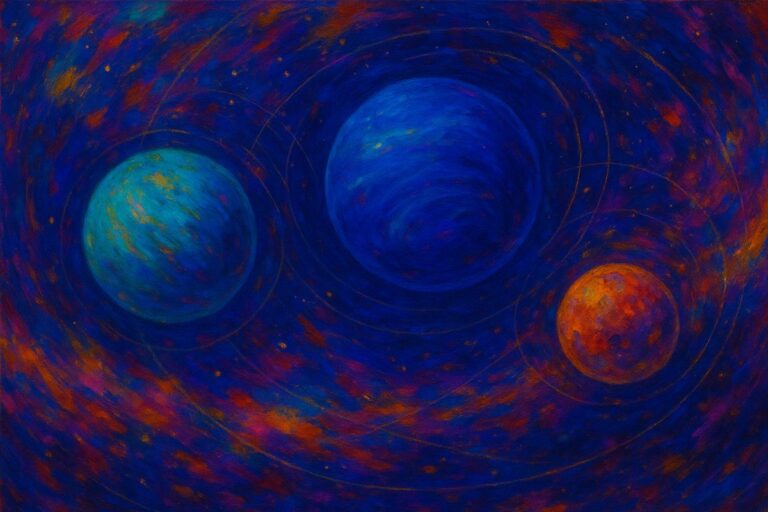
There is something mysterious about the three faraway planets that most of us forget about until an astrology post reminds us they exist. Uranus, Neptune and Pluto move so slowly that a single step of theirs can last years. They are like silent giants walking behind us. We rarely hear them coming, yet their arrival is unmistakable.
In Vedic astrology, they were not part of the original lineup of grahas. The texts were written long before these planets were discovered. Still, modern astrologers began noticing something interesting. When these planets made strong contacts in a chart, the person’s life changed in ways the traditional planets alone could not explain. This leads to the big question many people ask: Are Uranus, Neptune and Pluto malefic or benefic in Vedic astrology? The short answer is no. They do not fit neatly into either box. Their energy is more like the weather. It can bring storms, breakthroughs, fog or renewal, depending on the moment and the person.
Why Vedic astrology treats the outer planets differently
Classical Vedic astrology focuses on nine planets, including the Sun, Moon, Mars, Mercury, Venus, Jupiter, Saturn, and the shadow planets Rahu and Ketu. These form the backbone of predictions.
Uranus, Neptune and Pluto do not rule any signs. They do not govern houses. They do not serve as significators for specific life areas. Instead, they operate like deep background forces. Their influence becomes noticeable when they touch the planets that rule our daily lives. Almost all agree that they bring major shifts, not minor moods. So they are not traditional malefics or benefics. Instead, they are catalysts that push life in a new direction.
Uranus: The awakener and disruptor

If Uranus had a personality, it would be the friend who kicks the door open with wild ideas and refuses to sit quietly. Uranus represents change, surprise and self-discovery. In a chart or transit, it often behaves like this:
- It pushes you out of routines that have become too small.
- It breaks patterns you thought were fixed.
- It brings sudden, sometimes shocking events that force growth.
- It can shake up relationships if they are not aligned with your truth.
- It sparks invention, originality and brave decisions.
Is this malefic or benefic?
Neither. Uranus can feel chaotic, but it usually clears the way for a more authentic life. People who fear change may call it malefic. People who crave freedom call it liberating.
Neptune: The dreamer and illusion breaker
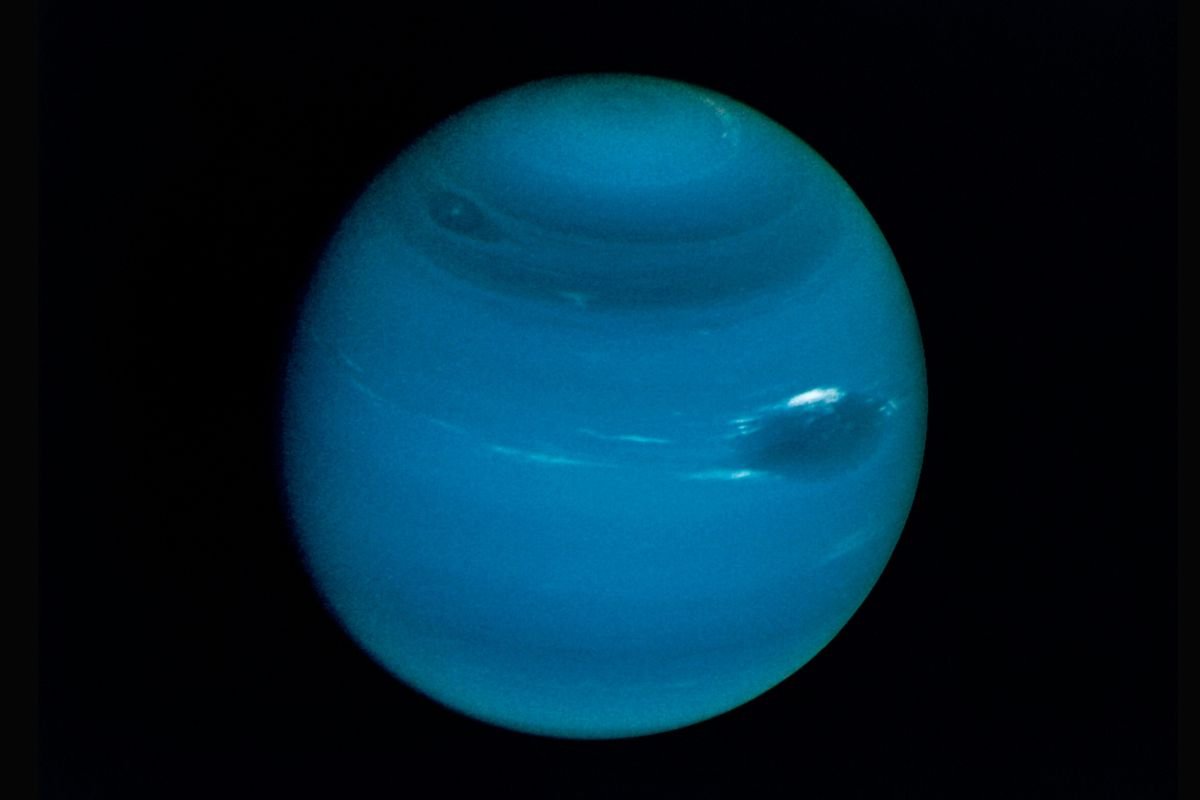
Neptune is subtle. It dissolves boundaries, clouds logic, and invites you to look behind the curtain. It is linked with imagination, spirituality and the blurry space between what we see and what we believe. Neptune in your chart or transit can:
- Inspire art, compassion and deep intuition
- Create confusion, idealisation or escapist habits
- Shift your vision of love, faith and purpose
- Reveal where illusions have been masking reality
- Encourage spiritual growth and big-picture thinking
Is Neptune malefic or benefic?
It depends on how grounded you are. Neptune can feel dreamy and healing, or it can fog your judgment until clarity finally breaks through. Its purpose is to help you recognise truth beyond appearances.
Pluto: the destroyer and rebuilder

Pluto is the quietest but most intense of the three. It governs transformation, power and the destruction of old structures. It strips life down to the truth, even when the truth is uncomfortable. Pluto’s influence often appears as:
- Deep emotional or psychological shifts
- Power struggles or control issues
- The end of relationships or jobs that block your growth
- Regeneration after a difficult period
- A complete change of identity or purpose
Is Pluto malefic or benefic?
It can feel harsh, yes. But Pluto’s aim is renewal. It removes what no longer serves you. People often emerge from Pluto cycles stronger, clearer and far more self-aware.
So what are they really? Malefic, benefic or something else?
Labelling Uranus, Neptune and Pluto as malefic or benefic oversimplifies their work. In Vedic astrology, they act like transformers rather than judges. Their energy depends on three factors.
1. The context of your chart
- If Uranus touches your Moon, your emotional life may shift quickly.
- If Neptune touches your Venus, love becomes spiritual or confusing.
- If Pluto touches your Sun, your identity is stripped down and rebuilt.
The outcome depends on strength, dignity and the aspects involved.
2. The timing: These planets move slowly, so their transits act like long seasons. A Uranus transit might last a few years. A Pluto transit can linger for more than a decade. Their impact is felt gradually, and often intensely.
3. Your response: Two people can go through the same Neptune transit. One falls into denial. The other discovers meditation, art and compassion.
Outer planet energy is easier when you cooperate with it.
How to work with outer planet energy
Here are simple ways to manage and understand their influence.
- Observe their contact with personal planets. These moments matter.
- Use Rahu and Ketu as clues. Their energy often echoes the outer planets.
- Stay adaptable. Uranus rewards flexibility.
- Practise grounding. Neptune is gentler when your life has structure.
- Let go when needed. Pluto’s lessons soften when you stop resisting.
- Seek support. Therapy, meditation and spiritual practice help during heavy transits.
Outer planets bring growth, even when it arrives in uncomfortable packaging.
Uranus shakes the walls. Neptune blurs the edges. Pluto levels the ground. Together, they shape the chapters of life that change us most. They are not malefic or benefic in the simple Vedic sense. They are forces of awakening that act when something in your life is ready to shift.
Ask Agastyaa on AstroSure.ai to uncover how these outer planets shape your journey
Want personalised cosmic guidance?
Download AstroSure and chat with Agastyaa AI for insights tailored to your birth chart.
Download AstroSure