Everything you need to know about Arudra Darshan 2026
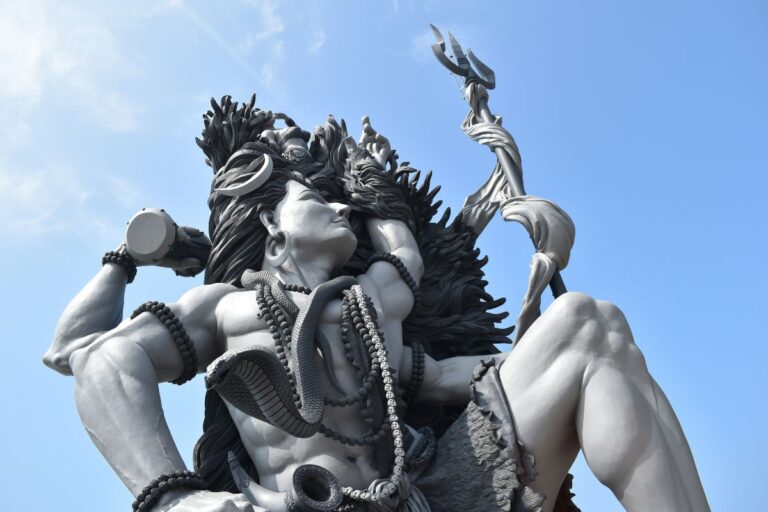
We often search for peace by trying to stop everything around us. But Arudra Darshan offers a different wisdom: true stillness is found in the very centre of movement. This is the festival of the Nataraja, the Cosmic Dancer, whose eternal rhythm sustains the universe even when our own lives feel chaotic and off-beat. Falling in the spiritually charged month of Margazhi, this day is revered in Tamil tradition as Lord Shiva’s divine birthday. It is not an observance of festive excess, but of profound wakefulness. It asks you to rise before the sun, look past the surface of the world, and witness the energy that powers existence itself. If you are ready to sync with this cosmic rhythm, here is everything you need to know about the origins and timings of Arudra Darshan 2026.
Arudra Darshan 2026 Date and Arudra Nakshatra Timings
Arudra Darshan in 2026 will be observed on Saturday, January 3, 2026. The festival is closely tied to the Arudra Nakshatra, also known as Thiruvathirai, which is the sixth star in the lunar cycle and one of the most significant for Shiva worship. Here are the Arudra Nakshatra timings for 2026:
Begins at 08:04 pm on January 2, 2026
Ends at 05:27 pm on January 3, 2026
This period coincides with Pournami, the full moon night, during Margazhi. Traditionally, this combination is considered extremely auspicious, as it brings together lunar fullness, spiritual intensity, and the energy of Shiva’s cosmic dance.
Why Arudra Darshan Holds Such Deep Meaning
Arudra Darshan commemorates Shiva’s Ananda Tandava, the dance of bliss. This dance is not just symbolic. It represents the five essential acts of existence: creation, preservation, transformation, concealment, and grace. Everything that moves, changes, begins, or ends is believed to follow this rhythm. The image of Shiva dancing on ignorance reminds devotees that clarity comes when ego and illusion are surrendered. This is why Arudra Darshan is often associated with inner awakening, mental clarity, and release from long-held emotional burdens. As a Tamil festival rooted in ancient tradition, it blends philosophy with lived devotion, making it both deeply symbolic and personally meaningful.
Auspicious Puja Timings on Arudra Darshan 2026
While worship can be offered throughout the day, certain time windows are considered especially supportive. On January 3, 2026, the following periods are ideal for prayer, abhishekam, or quiet reflection.
Shubha from 08:32 am to 09:50 am
Labha from 01:43 pm to 03:01 pm
Amrita from 03:01 pm to 04:19 pm
Labha from 05:37 pm to 07:19 pm
Choosing any of these periods helps align personal worship with traditionally supportive energies.
Arudra Darshan Rituals and How the Day Is Observed
Arudra Darshan rituals are not about grandeur. They are about intention, awareness, and rhythm. The day is observed with simplicity and reverence, allowing space for reflection. Here is how devotees traditionally mark this sacred occasion:
- Begin the day early with a bath and quiet preparation, creating a calm and clean space for worship.
- Focus on Shiva as Nataraja, either through an image, idol, or inward visualisation of the cosmic dancer.
- Perform abhishekam using milk, curd, honey, water, or sandalwood paste, depending on local custom.
- Chant or listen to sacred sounds, especially Om Namah Shivay and the Shiv Tandav Strotam, which beautifully echo the energy of Shiva’s dance. Listening to these on AstroSure.ai allows the vibrations to flow gently through the day without effort.
- Observe a fast if possible, breaking it after evening worship as a gesture of discipline and devotion.
- Offer simple naivedyam, traditionally Thiruvathirai Kali and a mixed vegetable preparation, symbolising balance and sweetness in life.
Throughout the day, the emphasis stays on mindfulness rather than elaborate performance.
The Story That Shapes Arudra Darshan
One of the most well-known legends of Arudra Darshan speaks of Shiva granting darshan to Sage Patanjali and Sage Vyagrapada at Chidambaram. Their intense devotion moved Shiva to perform the Ananda Tandava for them, revealing the divine rhythm that sustains the universe.
Another story tells of Shiva humbling arrogant sages who believed rituals alone could control cosmic forces. Through his dance, Shiva reminded them that surrender, not control, leads to wisdom. These stories continue to shape how devotees understand the deeper purpose of the day.
Benefits of Observing Arudra Darshan
Devotees believe that sincere observance of Arudra Darshan brings both inner and outer benefits. These are not instant miracles, but steady shifts that unfold with faith and patience:
- It helps calm fear, confusion, and emotional restlessness.
- It supports mental clarity and more thoughtful decision-making.
- It is believed to reduce the impact of negative influences and lingering karmic patterns.
- It encourages balance between effort and surrender in daily life.
- It leaves many people feeling lighter, steadier, and more centred.
These reflect the deeper teaching of the festival: life is movement, but peace lies in understanding its rhythm.
Where Arudra Darshan Is Celebrated
The most elaborate celebrations take place at the Chidambaram Nataraja Temple, where Shiva’s cosmic dance is ritually honoured. The festival is also widely observed at Tiruvannamalai, Tiruvarur, Kutralam, Kapaleeswarar Temple in Chennai, and many Shiva temples across India and abroad, reinforcing its identity as a living Tamil festival.
Arudra Darshan 2026 is an experience to feel. In a world that often rushes forward, this sacred night invites stillness, reflection, and trust in the greater rhythm of life. Shiva’s dance reminds us that even change has purpose, and even endings carry grace.
Ask Agastyaa on AstroSure.ai to explore how sacred festivals influence your inner journey
Want personalised cosmic guidance?
Download AstroSure and chat with Agastyaa AI for insights tailored to your birth chart.
Download AstroSure