Chandra Grahan 2026: Date, Time, Sutak Rules and What Not to Don
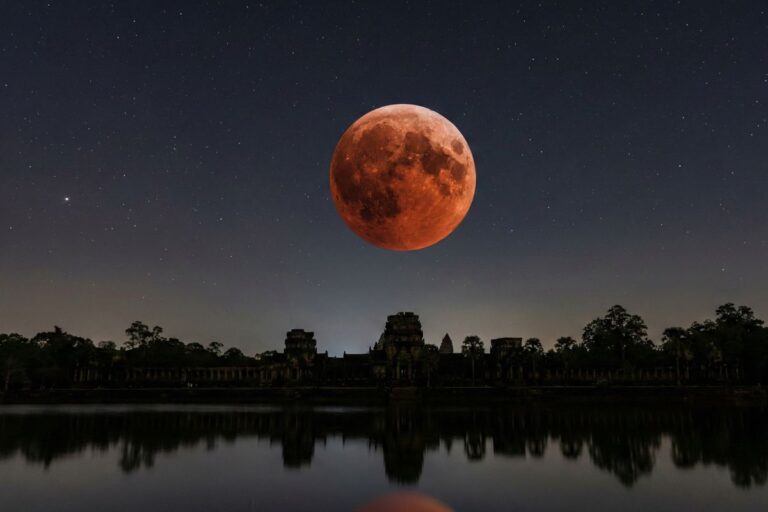
March 3, 2026, brings a rare sky event: a total lunar eclipse right in the middle of our biggest spring festival. It has been nearly a hundred years since Chandra Grahan and the festival of colours collided quite like this. For those of us in India, the Moon will rise already in the middle of the eclipse, looking dark red before it quickly goes back to normal (Blood moon).
Naturally, an eclipse of this scale brings up a lot of questions. People start worrying about the Sutak kaal (the traditional period of pause before the event) and how it disrupts their plans. But Sutak is not something to fear. It is simply a designated time to slow down. If you are wondering how this shifts your festival schedule or what you should actually do on that Tuesday, let us break down exactly what this means for you.
The Exact Timings and Dates You Need
Before we talk about rules or astrology, let’s get the schedule straight. The lunar eclipse March 3, 2026 happens in the evening, but the preparatory period starts much earlier in the day.
- Sutak period begins: Around 9:30 am on March 3.
- Sutak period ends: 6:46 pm on March 3.
- Eclipse visibility in India: The Moon will already be in the eclipse phase as it rises in the evening.
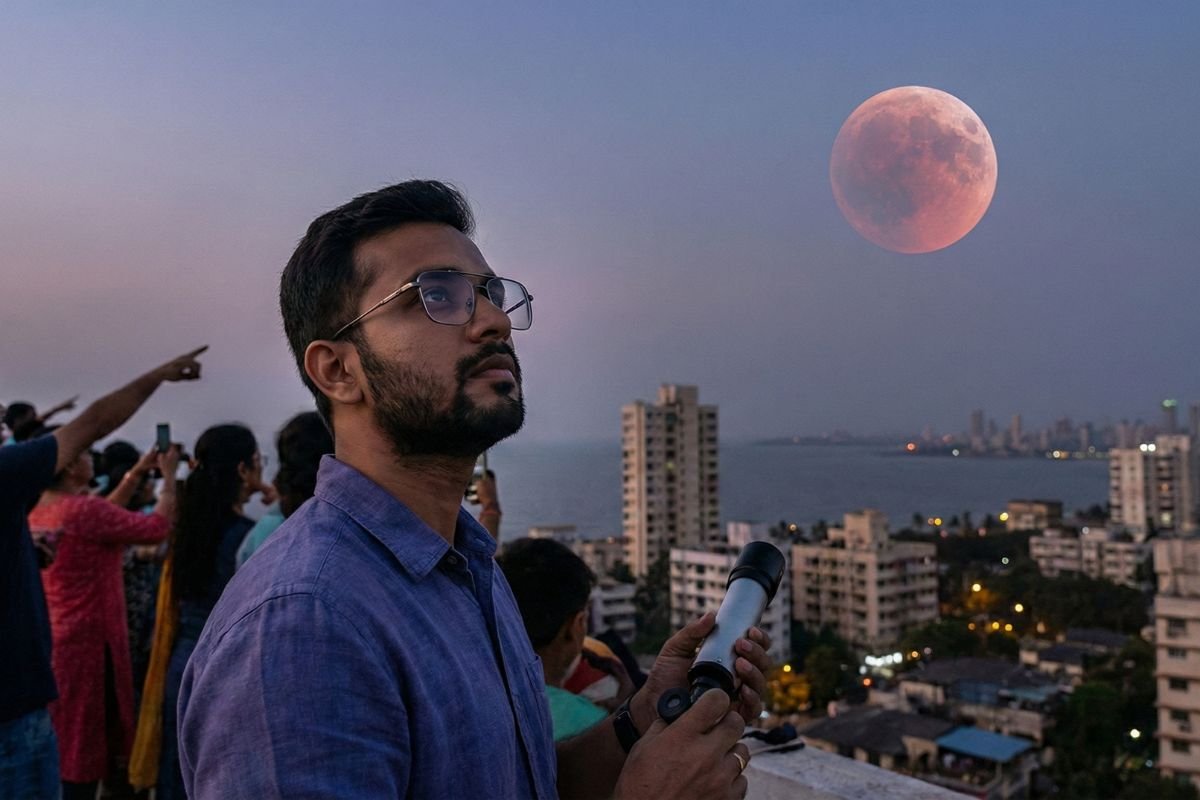
- When to look up: Step outside around 6:15 pm. You will see the Moon start turning red. The most visible window for the total eclipse lasts roughly 20 to 30 minutes around sunset.
- When it’s over: The visual eclipse and its shadow will fully clear up by 6:46 pm.
Also read: Phalguna Purnima 2026: Dates and Fasting Rules
What This Eclipse Actually Means for You
The Chandra Grahan 2026 happens in the sign of Leo, specifically within the Purva Phalguni nakshatra. If that sounds like heavy astrology, here is what it means in simple terms. Leo is a fiery, proud, and expressive sign. The Moon, in astrology, governs your mind, your reactions, and your baseline emotions. When an eclipse happens here, feelings tend to get magnified. You might feel a sudden urge for validation, or a bit of frustration if things aren’t going your way.
Add to that the Purva Phalguni factor. This specific star constellation is ruled by Venus, the planet of love, comfort, and relationships. Because of this, you might notice a little extra friction or sensitivity in your interactions with your partner, family, or close friends. Someone’s tone of voice might irritate you more than usual. A minor misunderstanding could feel like a major argument. Some people feel highly introspective during this window, while others just feel a bit restless or unsettled. Both are completely normal. Astrologically, eclipses are just cosmic checkpoints. They are not any kind of disaster. They are simply asking you to pay attention to where your mental energy is going.
The Chandra Grahan 2026 Sutak Rules Explained Clearly
Let us talk about the Sutak kaal timing. There is a lot of anxiety around this, mostly because of how it gets talked about online. Sutak is a preparatory period and it begins roughly nine hours before the eclipse actually starts. During this window, traditional rules suggest pausing certain daily activities. The main guidelines are to avoid active worship in your home temple, stop cooking new meals, and avoid eating heavy food that was prepared long before the eclipse began.
These rules exist because historically, an eclipse shifts environmental energies and drops temperatures, which traditional texts linked to changes in digestion and the rapid growth of bacteria in cooked food. The rules were originally designed for public health and physical mindfulness. What matters to you is that there are highly practical exceptions built into the Sutak period rules. Children, the elderly, pregnant women, and anyone unwell are completely exempt from strict fasting. For them, a much shorter Sutak period starting mid-afternoon applies.
Dos and Don’ts During the Eclipse

You don’t need to lock yourself in a dark room. Here is a list of lunar eclipse precautions.
What to Avoid:
- Don’t worship or touch deity idols: Close the doors to your home temple during the Sutak period. Mental prayer is fine; physical rituals are paused.
- Don’t eat heavy, pre-cooked meals: Stick to fresh food after the event is over, if your health allows you to fast during the day.
- Don’t use sharp objects if pregnant: This is a traditional precaution meant to keep expecting mothers resting rather than doing household chores.
- Don’t start major, life-changing work: Wait until Wednesday to sign that massive contract or launch a business. Let the energy settle.
- Don’t engage in arguments: With the Moon in Leo, ego clashes are likely. Walk away from heated discussions. Your mental clarity matters right now.
What Actually Helps:
Do take a bath after the eclipse: A quick shower or salt-water bath after 6:46 pm is a great way to physically and mentally reset.Do chant a mantra: If it helps centre your mind, chanting Om Namah Shivaya is highly recommended. To make it easier and more soulful, you can stream it on AstroSure’s SoulChants section and chant along.
Do donate: Giving food, clothes, or money to someone in need is a practical kindness that is highly encouraged after an eclipse ends.
Do rest and reflect: Taking a nap, reading a book, or sitting quietly is actually the best use of this time.
Do eat fresh food: Cook a simple, fresh meal once the eclipse is completely over in the evening.
Also read: Attukal Pongala 2026 Festival Guide
The Holi 2026 and Eclipse Issue
The biggest question on everyone’s mind right now is how the Chandra Grahan on Holi 2026 affects the festival itself. The short version is that the festival dates have simply shifted by one day. Because the Sutak rules require a pause on auspicious ceremonies and celebrations, playing with colours on the day of the eclipse isn’t permitted by tradition. Here is exactly how the schedule looks:
- March 2 (Monday Night): Holika Dahan takes place.
- March 3 (Tuesday): The eclipse and Sutak period take over the entire day. This is a day of rest.
- March 4 (Wednesday): Holi colours are played freely in the morning.
There is a reason this specific event is making headlines. The combination of a lunar eclipse falling exactly on the Holi festival happens roughly once in a century. That alone makes it mathematically and historically fascinating. Add to that the fact that it is a Blood Moon. When the Moon passes entirely into Earth’s shadow, it doesn’t just go dark. It catches the sunlight filtering around the edges of our planet’s atmosphere, turning a striking coppery red. Visually, it is stunning to look at. Astrologically, combined with the emotional themes of Leo, it signals a powerful time for reflection rather than reaction.
If you are curious about how these planetary shifts specifically impact your own birth chart, Agastyaa on Astrosure can give you personalised insights. The sky shows us something rare. You get to decide what you do with that moment.
Want personalised cosmic guidance?
Download AstroSure and chat with Agastyaa AI for insights tailored to your birth chart.
Download AstroSure