Dol Purnima 2026: Puja Timings, Dola Jatra Rituals, and Significance
There is a secret about this festival that often gets missed. While the rest of the country focuses on the loud energy of Holi, Dol Purnima, celebrated in the Eastern part of India, is much deeper. It is a birthday celebration for a saint and a tribute to divine love that feels personal and quiet. To do it the right way this year, you need to look beyond the surface of the colours.
Dol Purnima 2026 At a Glance
- Date: March 3, 2026, Tuesday.
- Purnima Tithi Begins: March 2 at 05:55 PM.
- Purnima Tithi Ends: March 3 at 05:07 PM.
- Moonrise Time: 06:21 PM.
Also read: Holi 2026 Date & Muhurat
What are the auspicious puja timings for Dol Purnima 2026?
Timing your rituals ensures you are aligned with the best energy of the day. On Tuesday, March 3, use these specific windows for your home puja:
- Labha Muhurat (Progress): 10:49 AM to 12:17 PM.
- Amrita Muhurat (Best for Puja): 12:17 PM to 01:44 PM.
- Subha Muhurat (Good Luck): 03:12 PM to 04:39 PM.
All timings are based on local Panchang calculations
Since the Purnima Tithi ends at 05:07 PM, you should try to finish your main offerings and swing rituals before the sun sets.
Why do we celebrate Dol Purnima?
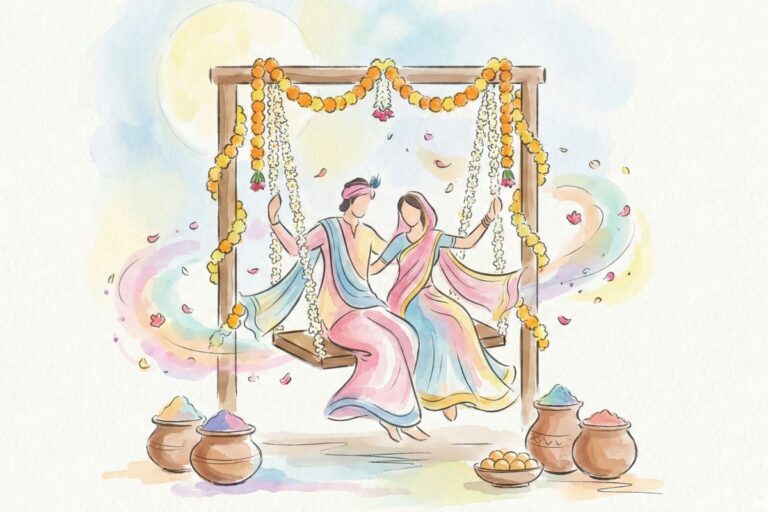
The real heart of this day is the birth of Chaitanya Mahaprabhu. He was the saint who taught that the easiest way to reach the divine is through song and dance. You will hear the rhythmic sound of the Khol drums and the clashing of Kartal cymbals in every street because of his influence. We also celebrate the love of Radha and Krishna. Tradition says that on this full moon day, Krishna swung Radha on a decorated seat to welcome the spring.
How to perform Dol Purnima Puja at home
To follow tradition accurately, use this checklist for your home rituals:
- Prepare the swing: Set up a small wooden swing or decorate a raised platform with fresh marigold flowers. This is the Dol.
- Clean the idols: Give your Radha and Krishna idols a gentle bath. Dress them in new saffron or white clothes.
- Offer the Abir: Do not just throw the colour. Take a pinch of pink or yellow Abir (scented powder) and place it at the feet of the deities first.
- Swing the deities: Gently rock the swing while chanting the name of Krishna. This is the core act of the entire festival.
- Prepare the Bhog: Offer simple sweets like Malpua or Saffron Sandesh. Many homes also offer Futkorai, a mix of puffed rice and sugar drops.
- Listen to Krishna Mantra: While swinging the jhula, play the Krishna Aarti from AstroSure.ai and chant along. It is a simple way to turn a fun tradition into a spiritual moment for your home.
How Dola Jatra changes across the regions
Every state in the East has its own way of celebrating. In West Bengal, the focus is on the Dol Utsav. You will see people in traditional white saris with red borders participating in Prabhat Pheri. These are early morning processions where people sing and dance to welcome the spring. In Odisha, it is known as Dola Jatra. Idols are placed in a carved wooden structure called a Vimana. Men carry these on their shoulders from house to house. The peak is the Melana, where hundreds of these Vimanas gather in a field for a massive fair. In Assam, you should visit the Satras (monasteries). They call it Doul Utsav. Monks sing Borgeet, which are soulful devotional songs, and the community joins in a rhythmic dance that can last for hours.
Also read:Attukal Pongala 2026 Festival Guide
Dol Purnima is a beautiful mix of history, deep devotion, and the bright energy of spring. Whether you join a grand procession or celebrate quietly at home, the goal is the same. Embrace the colours, share the sweets, and let this festival bring a fresh start to your year.
Dol Purnima FAQ: Top Questions Answered
1. Is Dol Purnima and Holi the same thing?
Not exactly. While they fall around the same time, Dol Purnima is specifically focused on the swing rituals of Radha-Krishna and the birth of Chaitanya Mahaprabhu. Holi is more about the play of colours and the story of Prahlad.
2. Why is colour offered to the feet of the idols first?
This is a mark of respect. In the Vaishnavite tradition, you always offer the first touch of the festival’s joy to the divine before celebrating with others.
3. What is the best colour to wear on Dol Purnima?
White and saffron are the traditional choices. White represents purity, while saffron represents the fire of devotion and the arrival of the spring sun.
4. Can I perform the puja after the Purnima Tithi ends?
It is best to perform the rituals while the Tithi is active. For 2026, try to finish your main puja before 05:07 PM on March 3.
5. What is the special food made for this day?
Traditional homes prepare Malpua, Saffron Sandesh, and Futkorai. These sweets are shared with neighbours to symbolise the sweetness of new beginnings.
For a detailed birth chart analysis on how this Purnima affects you, ask Agastyaa on AstroSure.ai for your custom 2026 prosperity ritual
Want personalised cosmic guidance?
Download AstroSure and chat with Agastyaa AI for insights tailored to your birth chart.
Download AstroSure