Keeping Your First Sawan Somwar Vrat? 10 Things Beginners Should Know
Your mother might have kept the Sawan Somwar vrat for years. Your aunt knows all the rules by heart. Now, you are thinking of trying it too, but you have questions. Can you eat fruit? What happens if you feel weak? Do you need to visit a temple? And what if you accidentally make a mistake? Ultimately, these questions are completely normal when you are fasting for the first time. The Sawan Somwar vrat has many traditions. However, the heart of the practice is simple. Dedicate the day to Lord Shiva, eat with restraint, pray with sincerity, and follow a routine that your health allows. Furthermore, you do not have to know every mantra or perform a long puja. Instead, begin with what you understand and what you can follow consistently. Here is everything you need to know before keeping your first Sawan Somwar vrat.
Quick Glance: First Sawan Somwar Vrat Guide
- Firstly, your first Sawan Somwar vrat can be simple: take a sankalp, pray to Lord Shiva, and choose a fast that suits your health.
- Secondly, beginners can follow Phalahar or Ekbhukta fasting instead of attempting a strict Nirjala vrat.
- In addition, fruits, milk, curd, nuts, makhana, sabudana, potatoes, and food prepared with sendha namak are commonly eaten during the fast.
- Also, you can perform a short Shiva puja at home if visiting a temple is not possible.
- Finally, if you make a mistake or feel unwell, adjust or end the fast without guilt and continue your prayers sincerely.
Sawan Somwar Dates 2026
In 2026, the first Sawan Somwar vrat falls on Monday, July 20. The fifth and final Monday falls on August 17. Interestingly, this year also carries a quieter astrological mood. Right now, Saturn is retrograde, while Jupiter is combust and forms Guru Aditya Yoga with the Sun. Therefore, these planetary movements are traditionally linked with reflection, patience, and inner growth. As a result, this makes simple, personal forms of worship especially meaningful. A few minutes of prayer, sincere chanting, or a fast followed with devotion may feel more natural than an elaborate ritual.
10 Things to Know Before Your First Sawan Somwar Vrat
1. What Is Sawan Somwar Vrat?
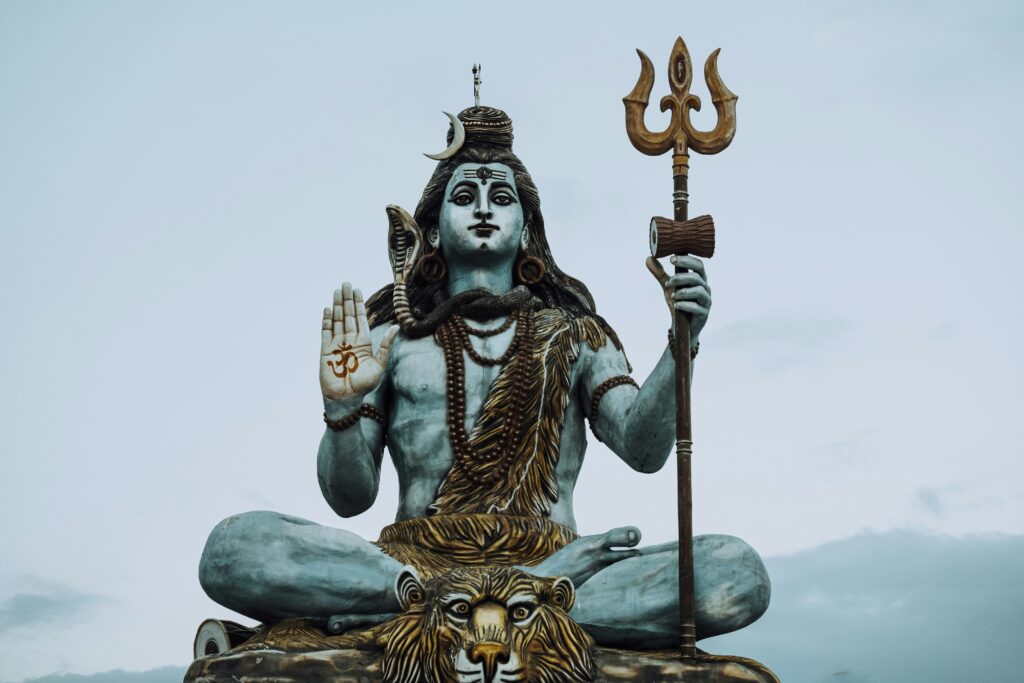
Basically, Sawan Somwar refers to the Mondays that fall during the sacred month of Shravan. Monday is traditionally dedicated to Lord Shiva. Consequently, this makes these days especially important for his devotees. People observe the vrat for different reasons. For instance, some pray for health, peace, marriage, family well-being, or help during a difficult period. Meanwhile, others keep it simply because they feel close to Lord Shiva. Whatever brings you to the vrat, begin with sincerity. Ultimately, you are taking part in a tradition that families have followed for generations.
Also Read: The Significance of Sawan Month in Vedic Astrology
2. How to Take a Sankalp for Sawan Somwar Vrat
A sankalp is the intention you make before beginning the fast. First, after bathing on Monday morning, sit quietly for a moment and tell Lord Shiva why you are observing the vrat. You can pray for your family, ask for strength, or simply dedicate the day to him. Importantly, use the language you speak every day. A simple prayer is enough: Lord Shiva, I am observing this vrat with devotion. Please give me the strength to complete it peacefully. Your words do not have to sound formal. Simply say what you genuinely feel.
3. Which Type of Sawan Somwar Fast Should Beginners Keep?
Actually, there is more than one way to observe Sawan Somwar vrat. Therefore, choose the method that suits your health, work, and daily routine.
- Phalahar: You can have fruits, milk, nuts, and other foods traditionally allowed during a vrat.
- Ekbhukta: You eat one simple vegetarian meal, usually after the evening puja.
- Nirjala: You avoid both food and water. However, this is a strict form of fasting and may not be suitable for beginners.
If this is your first vrat, Phalahar or Ekbhukta may be easier to follow. Most importantly, a fast should help you pray with greater focus, not leave you too weak to manage the day.
4. What Can You Eat During Sawan Somwar Vrat?
Generally, vrat food is usually simple and freshly prepared. You may have:
- Fresh fruit
- Milk and curd
- Coconut water
- Nuts and dry fruits
- Makhana
- Sabudana
- Potatoes
- Foods prepared with sendha namak, or rock salt
Meanwhile, regular grains such as wheat and rice are traditionally avoided during the fast. In addition, many devotees also avoid onion, garlic, non-vegetarian food, alcohol, and regular table salt. You do not need to prepare a large vrat meal. Ultimately, fruit, milk, and a handful of nuts can be enough if they suit your body.
5. How to Perform Sawan Somwar Puja at Home
Fortunately, a basic Sawan Somwar puja can be completed in a few quiet minutes. First, after bathing, wear clean clothes and sit near your home altar or in a clean space. You can then:
- Light a diya.
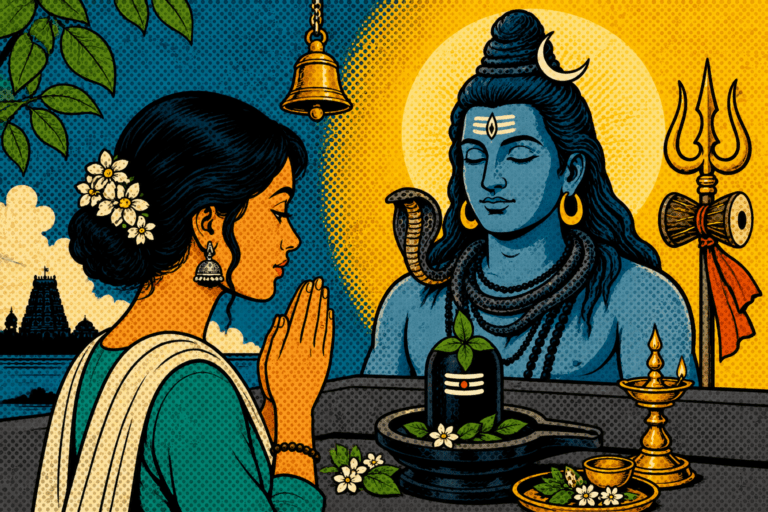
- Offer water to a Shivling or a picture of Lord Shiva.
- Offer belpatra, flowers, or fruit if available.
- Chant Om Namah Shivaya 11, 21, or 108 times.
- Sit quietly and speak to Lord Shiva in your own words.
Indeed, the number of offerings does not decide the value of your prayer. Give your full attention to whatever you choose to do.
6. Visit a Shiva Temple If Possible
Often, many devotees visit a Shiva temple on Sawan Mondays and offer water or belpatra to the Shivling. If you can go, spend a few quiet moments there without rushing. Join the darshan, make your offering, and chant Om Namah Shivaya. However, a temple visit may not fit everyone’s schedule. You may be working, travelling, caring for family, or living far from a temple. In that case, simply pray at home. After all, Lord Shiva can be remembered wherever you are.
Also Read: Understanding the 12 Jyotirlingas and Their Spiritual Importance
7. When and How to Break Sawan Somwar Vrat
Usually, most devotees break the fast after the evening puja, though family customs may differ. To start, begin with water, milk, or fruit. Then, eat a simple meal that is easy to digest. Moreover, avoid immediately eating something very oily, spicy, or heavy, especially if you have eaten very little during the day. Therefore, eat slowly and give your body time to adjust.
8. Why Is the Vrat Kept on Monday?
In Vedic astrology, Monday is connected with the Moon, which represents the mind and emotions. Furthermore, Lord Shiva wears the crescent Moon on his head, symbolising calmness and control over a restless mind. Consequently, this gives Monday fasting a deeper meaning. Along with praying for health, marriage, peace, or prosperity, devotees practise patience and self-control. Each time you pause before giving in to hunger or irritation, you become more aware of your thoughts and reactions.
9. What If You Make a Mistake During Sawan Somwar Vrat?
Naturally, you may forget a rule, accidentally eat something, miss your usual prayer time, or feel too unwell to continue. Do not allow one mistake to turn the entire day into guilt. Instead, offer a simple prayer, correct what you can, and continue with sincerity. If you feel weak, dizzy, or unwell, eat or drink something suitable. Above all, your health should come first. You can still spend the rest of the day remembering Lord Shiva and following the vrat more gently.
10. Do Not Expect a Dramatic Experience
Honestly, your first Sawan Somwar may feel very ordinary. You may feel peaceful during the morning puja and hungry by the afternoon. Later, work may become busy. Your mind may even wander while chanting. By evening, you may simply feel happy that you completed what you started. The meaning often grows with each Monday. As the weeks pass, the routine may become easier, the prayers more familiar, and your intention clearer. Ultimately, that steady connection is one of the most valuable parts of the vrat.
Why Do Women Observe Sawan Somwar Vrat?
Traditionally, many women observe Sawan Somwar vrat while praying for a loving and compatible partner. This tradition is deeply connected with Goddess Parvati’s devotion to Lord Shiva. Additionally, married women may also keep the fast for peace, strength, and happiness in their marriage. Remember, you can follow the vrat in a way that fits your daily responsibilities. For instance, if you work long hours, travel, care for children, or manage a household, choose a fasting method that gives you enough energy. Devotion is not measured by how much discomfort you can tolerate.
Ultimately, your first Sawan Somwar does not have to be perfect. Wake up, bathe, and take a simple sankalp. Light a diya if you can. Next, offer water to Lord Shiva, chant Om Namah Shivaya, and follow the form of fasting that suits your health. Perhaps you will continue the practice for years. Or perhaps this Sawan will simply help you understand why the vrat means so much to your family. Either way, you are spending one day with greater attention, restraint, and devotion. Indeed, that is a meaningful beginning.
What should you pray for this Sawan?
Ask Agastyaa. Download AstroSure and get 4 questions free.
FAQs About Sawan Somwar Vrat for Beginners
1. Can beginners keep Sawan Somwar vrat?
Yes. Beginners can choose a simple form of Sawan Somwar vrat based on their health and daily routine. You can eat fruits and other permitted vrat foods, perform a short Shiva puja, and chant Om Namah Shivaya. You do not have to begin with a strict Nirjala fast.
2. Can I drink water during Sawan Somwar vrat?
Yes, devotees following Phalahar or Ekbhukta fasting can generally drink water. Coconut water, milk, and other permitted drinks may also be consumed depending on family traditions. Only a Nirjala fast involves avoiding both food and water.
3. Can unmarried people observe Sawan Somwar vrat?
Yes. Anyone can observe Sawan Somwar vrat. While some unmarried devotees pray for a compatible life partner, others keep the fast for health, peace, family well-being, spiritual growth, or devotion to Lord Shiva.
4. Can I keep Sawan Somwar vrat without visiting a temple?
Yes. You can observe the vrat and worship Lord Shiva at home. Light a diya, offer water to a Shivling or an image of Lord Shiva, chant Om Namah Shivaya, and pray sincerely. Visiting a temple is meaningful but not compulsory.
5. Is it necessary to keep all Sawan Somwar vrats?
Many devotees observe every Monday during Sawan, but practices can differ between families and regions. If you cannot keep every fast because of health, work, travel, or personal responsibilities, you may follow the tradition in a way that is manageable for you.
Want personalised cosmic guidance?
Download AstroSure and chat with Agastyaa AI for insights tailored to your birth chart.
Download AstroSure