Gandhi Punyatithi 2026: Meaning, rituals and what it teaches us about peace
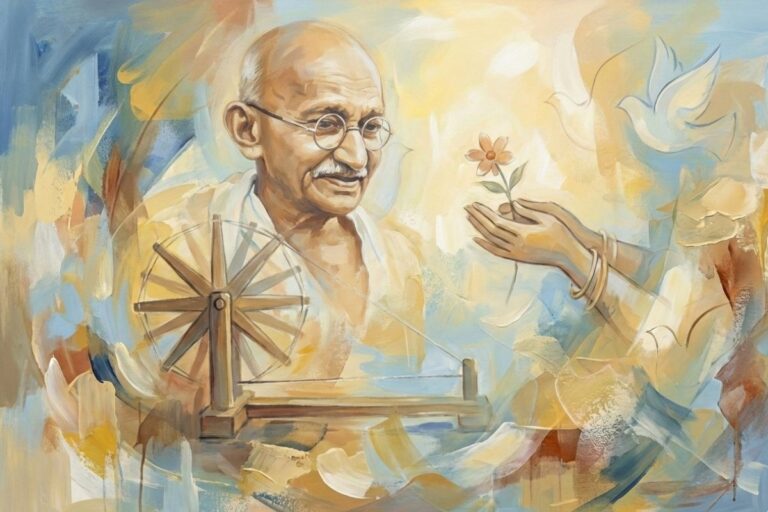
We often imagine peace as a special state of being. Something that is reserved for saints, leaders, or people who have mastered life. But Gandhi Punyatithi reminds us that peace is a choice. One we make quietly. One, we return to even when the world feels loud and restless. On January 30, 2026, India observes the 78th Gandhi Punyatithi, remembering Mahatma Gandhi not only as a freedom fighter but as a teacher of inner discipline. His life reminds us that peace is something we practise within ourselves, moment by moment.
What is Gandhi Punyatithi 2026, and Why is It Observed
Gandhi Punyatithi marks the day Mahatma Gandhi was assassinated in 1948. It is observed every year on January 30 and is also known as Shaheed Diwas or Martyrs’ Day. The day honours Gandhi’s sacrifice and remembers all freedom fighters who gave their lives for India’s independence. Yet beyond history, this day carries a deeper message. It is about renewing our relationship with truth, compassion, and responsibility. It is about remembering that freedom is not only political, but emotional, ethical, and spiritual.
Gandhi Punyatithi 2026 Date and National Observances
In 2026, Gandhi Punyatithi falls on a Friday. At Raj Ghat in New Delhi, the President, Vice President, Prime Minister, Defence Minister, and the Service Chiefs will pay tribute at Gandhi’s samadhi. A moment of silence is observed across the nation. Schools and institutions hold assemblies, discussions, and cultural programmes. Bhajans like Raghupati Raghav Raja Ram are sung softly.
Who Was Mahatma Gandhi in Everyday Language
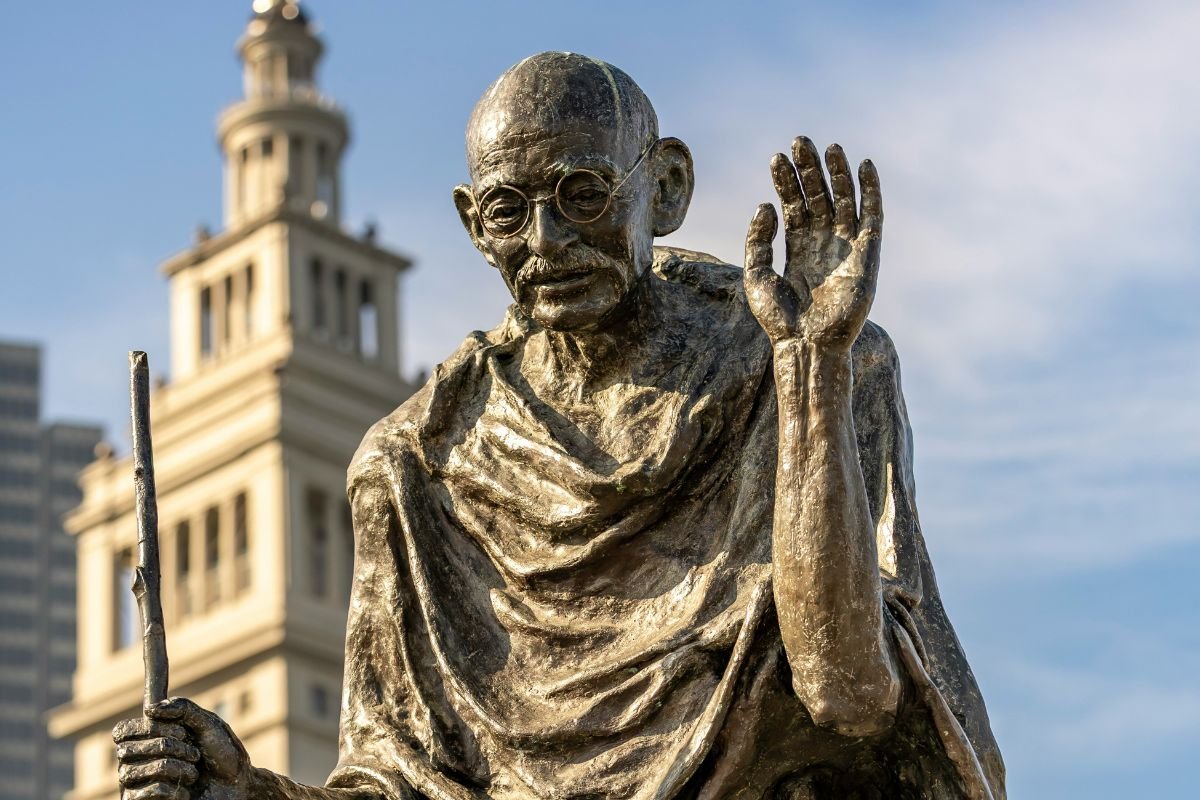
Mahatma Gandhi was not a saint removed from ordinary life. He struggled, doubted, and learned like any human being. What made him extraordinary was consistency. He aligned his thoughts, words, and actions. He believed in:
- Truth as a daily commitment
- Nonviolence as active courage
- Simplicity as emotional freedom
- Service as spiritual strength
His life shows that moral power is quieter than physical power, yet far more enduring.
Why Gandhi Punyatithi 2026 Matters in the Modern World
We live in a time of fast reactions and slow listening. Opinions are instant, and anger spreads quickly. Gandhi Punyatithi 2026 becomes especially relevant because it reminds us that peace requires patience. Gandhi taught us that:
- Anger weakens clarity
- Violence multiplies suffering
- Truth protects dignity
- Discipline protects peace
His message feels less like history and more like medicine for our modern mind.
Gandhi Punyatithi Rituals That Can Be Practised at Home
Gandhi Punyatithi invites gentle awareness. Here is how you can honour the father of our nation on this day:
- Begin the day by lighting a diya and sitting quietly for a few minutes. Let your breath slow, and your thoughts settle.
- Read one of Gandhi’s quotes aloud. Reflect on where your life can soften.
- Offer flowers at a photograph or simply place your hand on your heart and offer gratitude.
- Choose one act of service. Clean a shared space. Help someone quietly. Feed a stray animal. Donate without announcing it.
- For those who wish to create a devotional atmosphere during reflection or diya lighting, Ram Chalisa and Gayatri Mantra can be played softly together to support clarity and inner harmony. Listen to it on AstroSure.ai and explore the SoulChants section for more transformative tracks.
These rituals speak a quiet language. They offer reassurance. They tell the mind it is safe to become calm, and the heart that it is allowed to be kind.
Gandhi Punyatithi 2026 and the Energy of Reflection
In spiritual traditions, certain days naturally support introspection. Gandhi Punyatithi carries that quality. It is a day of restraint rather than excitement. Of humility rather than ambition. Of inner order rather than outer control. Such days remind us that discipline is not punishment. It is self-respect. When the mind becomes organised, the heart becomes peaceful. When intention becomes clear, behaviour becomes gentle.
How Gandhi Punyatithi Teaches Peace in Daily Life

Peace is not built in one day. It is built through repetition. Peace grows when:
- We pause before reacting
- We speak slowly when upset
- We forgive quietly
- We choose honesty over convenience
- We reduce harm in small ways
Gandhi Punyatithi teaches us that real strength lies in restraint. That maturity lies in patience. That love lies in responsibility.
A Simple Peace Practice for the Next Seven Days
Instead of trying to change everything, choose one habit.
Day 1: Listen fully without interrupting
Day 2: Speak gently even during disagreement
Day 3: Clean one shared space
Day 4: Offer help without being asked
Day 5: Reduce digital noise
Day 6: Spend time in silence
Day 7: Forgive one old resentment
This is how peace becomes personal.
Why We Remember Gandhi on His Punyatithi
We remember Gandhi because he trusted humanity even when humanity disappointed him. We remember him because he lived what he taught. We remember him because he proved that character is stronger than authority. Gandhi Punyatithi 2026 becomes a mirror. It asks not who Gandhi was, but who we are becoming.
Gandhi Punyatithi is not about grief. It is about choosing calm in a restless world. It is about choosing integrity in confusing times. It is about choosing compassion when ego tempts us otherwise. Peace is not distant. It is always within our reach. It is created in kitchens, classrooms, streets, offices, and hearts. Gandhi Punyatithi 2026 reminds us that the most powerful revolutions begin inside us, quietly.
Ask Agastyaa on AstroSure.ai how to bring Gandhi’s peace into daily life
Want personalised cosmic guidance?
Download AstroSure and chat with Agastyaa AI for insights tailored to your birth chart.
Download AstroSure