Kartika Ashtahnika 2025 ends: Find out the Jain festival’s rituals and deep spiritual meaning
Kartika Ashtahnika is one of those sacred times in the Jain calendar that slows life down and turns attention inward. For eight days, devotees step away from the rush of routine to focus on peace, restraint, and the soul’s quiet strength. This ancient festival is more than fasting or ritual. It is about cleansing the mind, softening pride, and finding balance between the inner and outer worlds.
Rooted in the teachings of Lord Mahavira, Kartika Ashtahnika 2025 is being observed with great devotion across India since October 29. As the final day approaches on November 5, temples, homes, and hearts are filled with calm reflection and gratitude. The end of this eight-day observance is not a goodbye to devotion but a gentle reminder to carry its spirit into everyday life.
What Kartika Ashtahnika means
The word Ashtahnika comes from Sanskrit. Ashta means eight and Ahnika means daily ritual. Together, the term represents eight days of spiritual practice meant to purify and uplift. The Kartika Ashtahnika occurs during the sacred month of Kartika, a time already associated with light, clarity, and renewal. In Jain tradition, these eight days hold deep symbolic meaning. They represent the eight directions, showing that devotion spreads in every path; the eight karmas, which devotees work to lessen through self-discipline; and the eight forms of worship, symbolising total surrender to truth. The purpose is simple yet powerful: to cleanse the inner self and strengthen the connection to the divine.
Kartika Ashtahnika 2025 dates
Start date: Wednesday, October 29, 2025
End date: Wednesday, November 5, 2025
During this sacred period, devotees turn their focus toward reflection, simplicity, and self-restraint. Jain monks and nuns spend these days in deeper study and meditation, while householders support them with service, food offerings, and prayers. The atmosphere across Jain temples is filled with calm discipline and devotion.
The spiritual significance of Kartika Ashtahnika
Kartika Ashtahnika has been observed since ancient times. It was a period when monks dedicated themselves completely to meditation and scriptural study, while the community joined in collective worship and self-purification. The essence of the festival lies in self-control and awareness. It teaches that real freedom comes not from material success but from mastering one’s own mind. The eight days remind followers that detachment, kindness, and truth are the real jewels of life.
For many, Kartika Ashtahnika feels like a spiritual retreat. Away from distractions, it allows time to reflect on what truly matters: peace, compassion, and the inner journey toward moksha, or liberation.
Rituals and practices during Kartika Ashtahnika
Throughout these eight days, devotees participate in various rituals that help align their thoughts and actions with spiritual purpose.
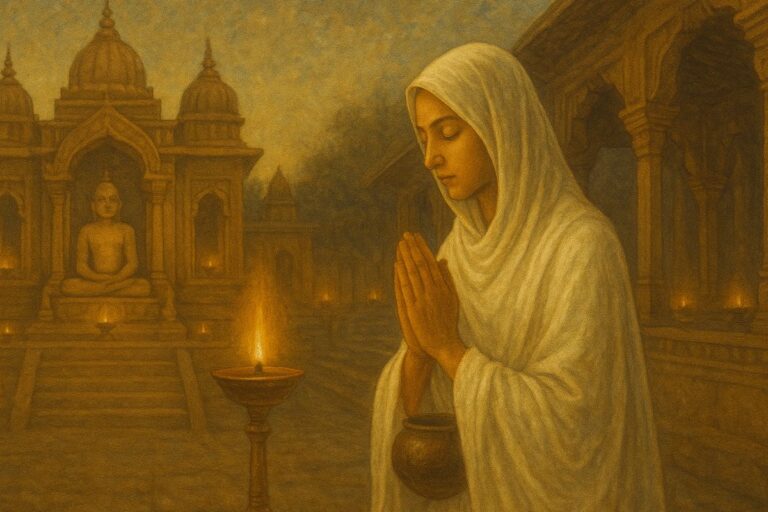
- Worship and offerings: Each morning begins with prayers to the 24 Tirthankaras, with rice, flowers, and sandalwood offered in devotion. Temples glow with lights and chants, creating a peaceful atmosphere.
- Temple anointment: Idols are bathed with sacred water and fragrant substances in the Abhishek ceremony, symbolising the cleansing of the soul.
- Scripture study: Devotees read and discuss Jain Agamas, guided by monks’ discourses on truth, non-violence, and humility.
- Fasting and simplicity: Many observe Ekasana or Ayambil Tap, limiting food to one plain meal a day. This helps quiet the senses and strengthen self-control.
- Charity and reflection: Offering food, supporting temples, and meditating through Samayik and Pratikraman complete the observance, helping devotees release pride and anger and renew their inner calm.
What to do on the last day of Kartika Ashtahnika 2025
The final day of Kartika Ashtahnika carries special importance. It is the moment when eight days of prayer, fasting, and reflection come together in gratitude and renewal. On this day, devotees conclude their vows and perform rituals that mark spiritual completion and inner peace. Here is what you can do on the closing day of Ashtahnika:
1. Concluding prayers and special puja: The morning begins with prayers and offerings to the Tirthankaras, thanking them for guiding the eight days of observance. Temples hold a final Abhishek (ceremonial bathing of idols) followed by Aarti and community prayers. It is a time to express gratitude for the strength and clarity gained through the festival.
2. Samapan Vidhi (completion ceremony): The Samapan Vidhi marks the official conclusion of Kartika Ashtahnika. Devotees end their fasts, seek forgiveness from one another, and pray for peace and compassion for all beings. This ceremony symbolises the completion of spiritual effort and the renewal of intention to live righteously.
3. Feeding and charity: Many devotees spend the final day performing acts of service and generosity. Offering food to monks, supporting temple causes, or feeding the poor is considered a noble way to end the observance. Charity on this day strengthens the festival’s message of humility and compassion.
4. Reflection and resolution: Before ending the day, devotees sit in quiet reflection. They review their thoughts and actions from the past week, forgive mistakes, and reaffirm their dedication to non-violence, truth, and simplicity. The last meditation of Ashtahnika is meant to carry peace into the days that follow.
The final day of Kartika Ashtahnika is a gentle beginning. It encourages every devotee to take the calm, discipline, and compassion gained during these eight days and weave them into daily life long after the festival concludes.
The lessons of Kartika Ashtahnika
Kartika Ashtahnika stands as a reminder of how spiritual discipline can bring harmony into everyday life. In today’s fast-paced world, this eight-day pause feels especially meaningful. It teaches that simplicity is strength and silence can be the loudest teacher. Some of the most enduring lessons from this observance include:
- Discipline clears the path to peace. By controlling what we eat, say, and do, we gain mastery over our minds.
- Reflection brings renewal. Looking inward allows us to recognise mistakes and move forward without guilt.
- Charity and compassion sustain life. True happiness comes from giving rather than taking.
- Faith deepens with action. Devotion becomes real when it transforms how we live, not just how we pray.
When these lessons extend beyond the temple walls, they become guiding principles for a calmer, kinder life.
The message of Lord Mahavira
At the heart of Kartika Ashtahnika lies the wisdom of Lord Mahavira. His message was clear: liberation begins with self-awareness and ends with non-violence. Each act of restraint, every kind word, and every moment of mindfulness is a step toward that goal. Through this festival, Jain followers renew their faith in these eternal truths. As the eight days draw to an end, the spirit of Ashtahnika continues to live on in daily life.
As Kartika Ashtahnika 2025 concludes, its quiet strength remains. The candles in temples may fade, but the inner light it kindles stays bright. For devotees, these eight days are not just about rituals but about remembering who they are at their purest: souls striving for peace and freedom. This ending marks a new beginning, one rooted in calmness, balance, and devotion to truth. The values practised during this festival are not meant to end today; they are meant to guide the days ahead.
Ask Agastyaa on AstroSure.ai for deeper insights into spirituality and inner growth
Want personalised cosmic guidance?
Download AstroSure and chat with Agastyaa AI for insights tailored to your birth chart.
Download AstroSure