Magha Navratri 2026 Complete Guide: Dates, puja rituals and spiritual benefits
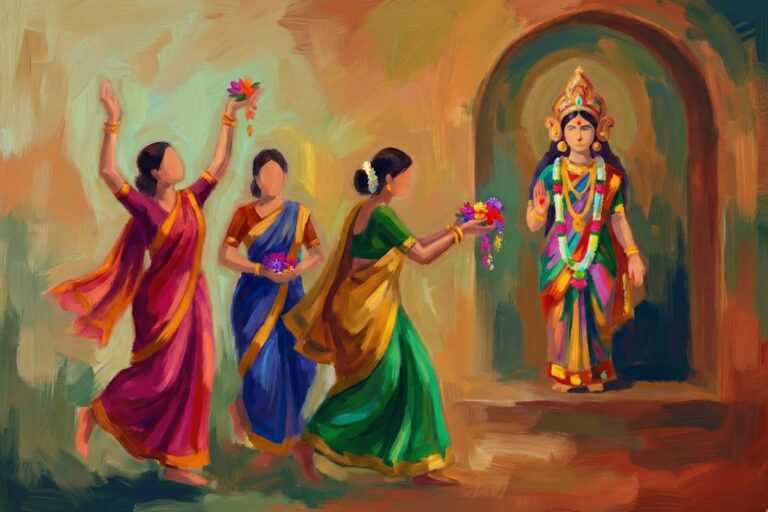
Mark your calendar for Magha Navratri 2026, a sacred period in January dedicated to quiet devotion and inner strength. Unlike the more popular Navratri festivals, this one is personal and deeply reflective. Also known as Gupt Navratri, it is observed through sincerity, discipline, and private worship rather than public celebration. It is a time to turn inward, build spiritual resilience, and connect with the Divine Feminine in a calm, meaningful way. Let us walk through the dates, the puja vidhi, and the Goddess honoured each day.
What Is Magha Navratri And Why Is It Called Gupt Navratri
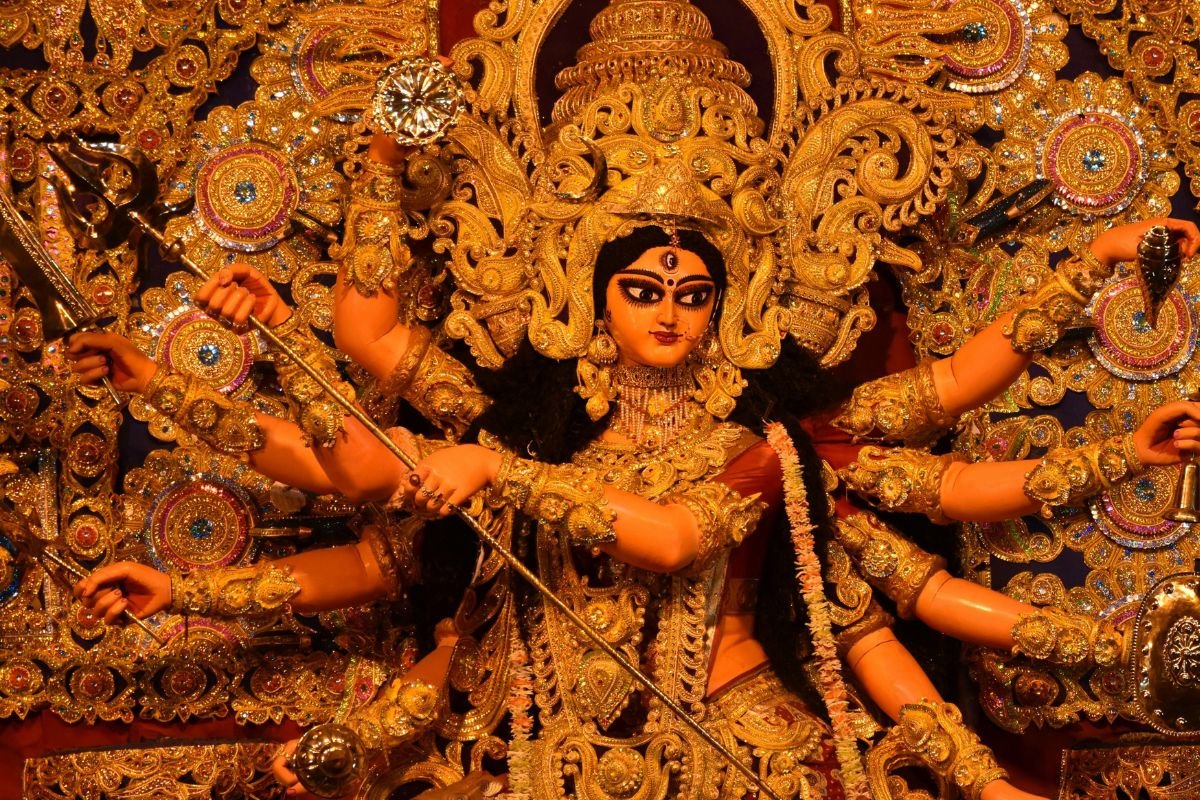
Magha Navratri is a nine-day festival dedicated to the nine forms of Maa Durga, observed during the Shukla Paksha of the Magha month. Unlike Sharad and Chaitra Navratri, which are celebrated widely, this Navratri is observed quietly, often by those who walk a deeper spiritual path. The word Gupt means secret. Gupt Navratri focuses on:
Inner discipline rather than outer display
Silent prayer rather than grand rituals
Spiritual strength rather than visible celebration
It is considered a powerful time for sadhaks, seekers, and anyone who wishes to realign their life with the divine feminine.
Magha Navratri 2026 Dates And Day Wise Schedule
Magha Navratri 2026 begins on 19 January 2026 (Monday) and ends on 28 January 2026 (Wednesday). Here are the Magha Navratri 2026 dates:
Day 1: 19 January 2026, Monday, Pratipada
Shailputri Puja and Ghatasthapana
Day 2: 20 January 2026, Tuesday, Dwitiya
Brahmacharini Puja
Day 3: 21 January 2026, Wednesday, Tritiya
Chandraghanta Puja
Day 4: 22 January 2026, Thursday, Chaturthi
Kushmanda Puja
Day 5: 23 January 2026, Friday, Panchami
Skandamata Puja
Day 6: 24 January 2026, Saturday, Shashthi
Katyayani Puja
Day 7: 25 January 2026, Sunday, Saptami
Kalaratri Puja
Day 8: 26 January 2026, Monday, Ashtami
Mahagauri Puja and Durga Ashtami
Sandhi Puja from 08:53 PM to 09:41 PM
Day 9: 27 January 2026, Tuesday, Navami
Siddhidatri Puja
Day 10: 28 January 2026, Wednesday, Dashami
Navratri Parana
Why Magha Navratri Holds Unique Spiritual Power
Magha Navratri’s power lies in its quietness. During these nine days, the energy of the Divine feels closer and more responsive to sincere hearts. It is a time when even simple prayers carry deep meaning, and small acts of devotion create lasting inner change. This Navratri strengthens:
Emotional stability
Mental clarity
Courage during hardship
Faith in one’s own resilience
Magha Navratri rituals stabilise the mind, calm the heart, and help the soul reconnect with divine order. This is also why shakti sadhana during Gupt Navratri is considered extremely effective.
Who Should Observe Magha Navratri
Magha Navratri is open to everyone, but it is especially beneficial for:
People seeking emotional balance
Those facing life confusion or instability
Individuals walking a spiritual path
Anyone wanting mental discipline and clarity
People feeling disconnected from purpose
Even observing a few days with sincerity carries spiritual value. Gupt Navratri does not demand perfection. It values intention.
Day-Wise Goddess Worship During Magha Navratri 2026
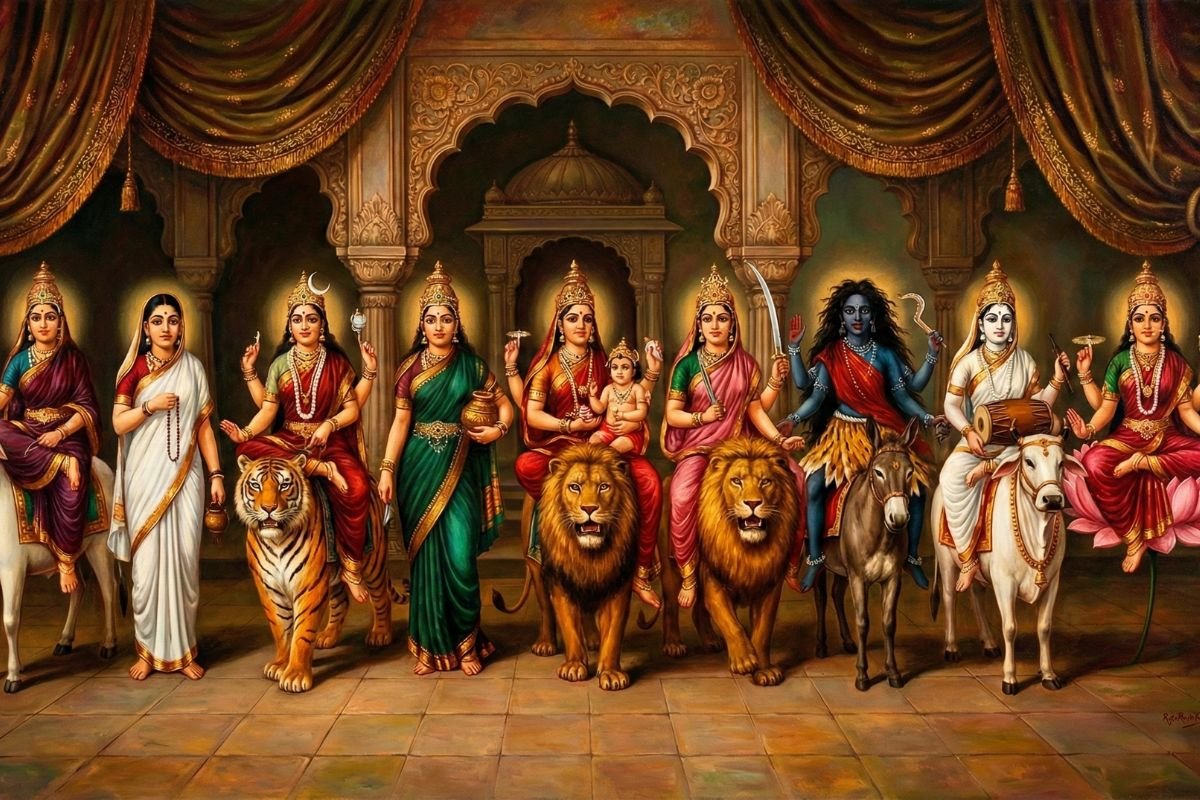
Each day of Magha Navratri honours a different form of the Divine Mother. Together, they guide the soul from strength to wisdom, from courage to completion.
Day 1 – Shailputri (19 January): She represents stability and fresh beginnings. Worship her to ground your life and restore emotional balance. This day sets the spiritual tone for the entire Navratri.
Day 2 – Brahmacharini (20 January): She symbolises discipline and devotion. This day strengthens inner patience and helps overcome mental restlessness.
Day 3 – Chandraghanta (21 January): She removes fear and doubt. Worship her for courage, protection, and emotional strength.
Day 4 – Kushmanda (22 January): She represents vitality and creative energy. This day is powerful for health, renewal, and positivity.
Day 5 – Skandamata (23 January); She is the nurturing mother. Worship brings peace in relationships and emotional healing.
Day 6 – Katyayani (24 January): She symbolises determination and justice. Ideal for resolving personal conflicts and restoring confidence.
Day 7 – Kalaratri (25 January): She destroys negativity and illusion. This is the day for deep cleansing of fears and karmic patterns.
Day 8 – Mahagauri (26 January): She represents purity and perfection. Combined with Sandhi Puja, this day is the most spiritually charged.
Day 9 – Siddhidatri (27 January): She grants wisdom and clarity. Worship her to complete your spiritual journey with grace.
Ghatasthapana Explained Simply
Ghatasthapana marks the official beginning of Magha Navratri. It symbolises inviting the Divine Mother into your home and heart. Here is how you can do it:
- Place a small clay pot filled with soil.
- Sow barley seeds gently.
- Keep a Kalash filled with water, coins, and cardamom.
- Add mango leaves on top.
- Cover with a coconut wrapped in red cloth.
Magha Navratri 2026 Puja Timings
Worshipping during these hours supports clarity, stability, and divine connection.
January 19, Monday (Pratipada – Ghatasthapana Day)
Amrita: 07:14 am to 08:34 am
Labha: 03:11 pm to 04:30 pm
Amrita: 04:30 pm to 05:49 pm
January 20, Tuesday (Dwitiya)
Labha: 11:13 am to 12:32 pm
Amrita: 12:32 pm to 01:52 pm
Labha: 07:31 pm to 09:11 pm
January 21, Wednesday (Tritiya)
Labha: 07:14 am to 08:34 am
Amrita: 08:34 am to 09:53 am
Labha: 04:31 pm to 05:51 pm
January 22, Thursday (Chaturthi)
Shubha: 07:14 am to 08:33 am
Labha: 12:33 pm to 01:53 pm
Amrita: 01:53 pm to 03:12 pm
Amrita: 05:52 pm to 07:32 pm
January 23, Friday (Panchami)
Labha: 08:33 am to 09:53 am
Amrita: 09:53 am to 11:13 am
January 24, Saturday (Shashthi)
Shubha: 08:33 am to 09:53 am
Labha: 01:53 pm to 03:13 pm
Amrita: 03:13 pm to 04:34 pm
Labha: 05:54 pm to 07:34 pm
January 25, Sunday (Saptami)
Labha: 09:53 am to 11:13 am
Amrita: 11:13 am to 12:34 pm
Shubha: 05:54 pm to 07:34 pm
January 26, Monday (Ashtami – Mahagauri, Sandhi Puja)
Amrita: 07:12 am to 08:33 am
Labha: 03:15 pm to 04:35 pm
Amrita: 04:35 pm to 05:55 pm
Sandhi Puja: 08:53 pm to 09:41 pm
January 27, Tuesday (Navami)
Labha: 11:13 am to 12:34 pm
Amrita: 12:34 pm to 01:55 pm
Labha: 07:36 pm to 09:15 pm
January 28, Wednesday (Dashami – Parana)
Labha: 07:11 am to 08:32 am
Amrita: 08:32 am to 09:53 am
Labha: 04:36 pm to 05:57 pm
Amrita: 09:15 pm to 10:55 pm
Magha Navratri Puja Vidhi Made Simple
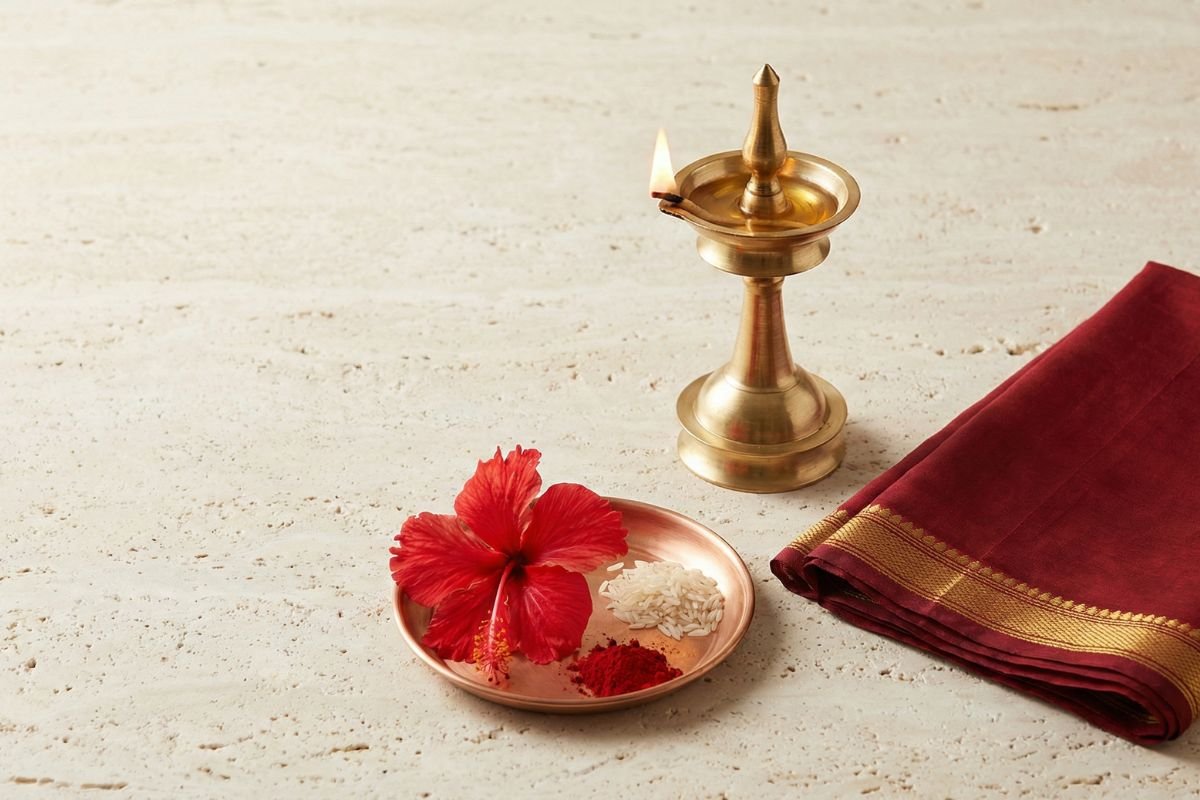
Magha Navratri worship is gentle and sincere. It does not demand perfection, only presence.
1. Before the Moon Rises and Puja Begins:
- Wake up calmly.
- Take a bath and wear clean clothes.
- Keep the puja space clean and quiet.
- Light a diya and incense.
2. Take a simple sankalp: I observe this Navratri with devotion, clarity, and gratitude.
3. Daily Puja Steps:
- Offer fresh flowers and fruits.
- Light the lamp with respect.
- Chant a simple mantra like Om Dum Durgaye Namaha.
- Sit silently for a minute and breathe slowly.
4. Evening Puja:
- Offer gratitude instead of wishes.
- Let prayer feel complete without demand.
*Listen to _Durga Beej Mantra and Heart Chakra 393 Hz frequency as grounding spiritual support during your puja. Listen to it on AstroSure.ai and explore the SoulChants section for more transformative tracks.
Fasting Rules And Simple Discipline
Magha Navratri fasting strengthens mental clarity and devotion. But you should fast according to your capacity. Discipline matters more than intensity.
Allowed:
Fruits, milk, curd
Nuts and coconut
Rock salt
Sabudana and kuttu dishes
Avoid:
Onion and garlic
Non-vegetarian food
Alcohol or tobacco
Heavy or fried meals
You can also consult Agastyaa on AstroSure.ai to understand which form of the Goddess resonates most with their birth chart. It offers gentle insight into personal spiritual patterns without pressure or ritual complexity.
Benefits of Observing Magha Navratri
Magha Navratri rituals gently awaken the divine feminine energy within you. They work quietly, but their impact is deep and lasting.
- They help stabilise emotions and bring a sense of inner calm.
- They rebuild inner strength during times of exhaustion or doubt.
- They sharpen spiritual clarity and improve intuitive understanding.
- They dissolve fear, anxiety, and long-held emotional confusion.
Magha Navratri arrives every year to heal what has been quietly waiting for attention. All it asks for is sincerity, presence, and inner honesty. When devotion becomes silent, it becomes powerful. When it turns inward, it begins to transform.
Ask Agastyaa on AstroSure.ai for your personalised Magha Navratri guidance
Want personalised cosmic guidance?
Download AstroSure and chat with Agastyaa AI for insights tailored to your birth chart.
Download AstroSure