Mahashivratri 2026 Date: What to do, what to avoid, and why this night is so powerful this year
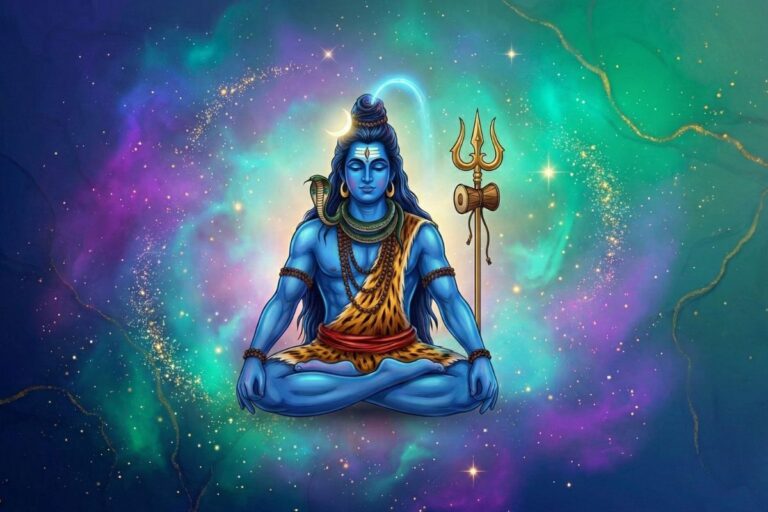
If you have been carrying something heavy for too long, this might be the night to put it down. Mahashivratri 2026 falls on February 15 this year, and it is not like other festivals. There are no celebrations, no loud gatherings, no elaborate feasts. Instead, there is fasting, silence, and you have to stay awake through the night. It does sound difficult, but the planets this year are lined up in such a way that makes it easier than usual to let go of what no longer fits. The restlessness you might feel, the sudden clarity that arrives uninvited and the quiet urge to drop old patterns are all connected to what is happening in the sky. Here is what you need to know about when, how, and why this Mahashivratri matters.
Why Mahashivratri 2026 is Astrologically Significant
This year, four planets gather in Aquarius at the same time. The Sun, Mercury, Venus, and Rahu create a rare combination that weakens the grip of your ego. You might notice sudden clarity about situations you have been avoiding for a long time. The Sun and Rahu together create a subtle eclipse effect that makes it easier to let go of fear and pride.
At the same time, the Moon sits with Mars in Capricorn, which supports discipline and endurance. Fasting will feel manageable and staying awake might not exhaust you. Saturn in Pisces softens emotional resistance, leading to old fears loosening without a fight. This alignment favours release over accumulation, silence over noise, and inner clarity over outer action. What you consciously choose to let go of now will be gone for a long time.
Also Read: Mahashivratri 2026 Shiva puja offerings
Mahashivratri 2026 Date and Puja Timings
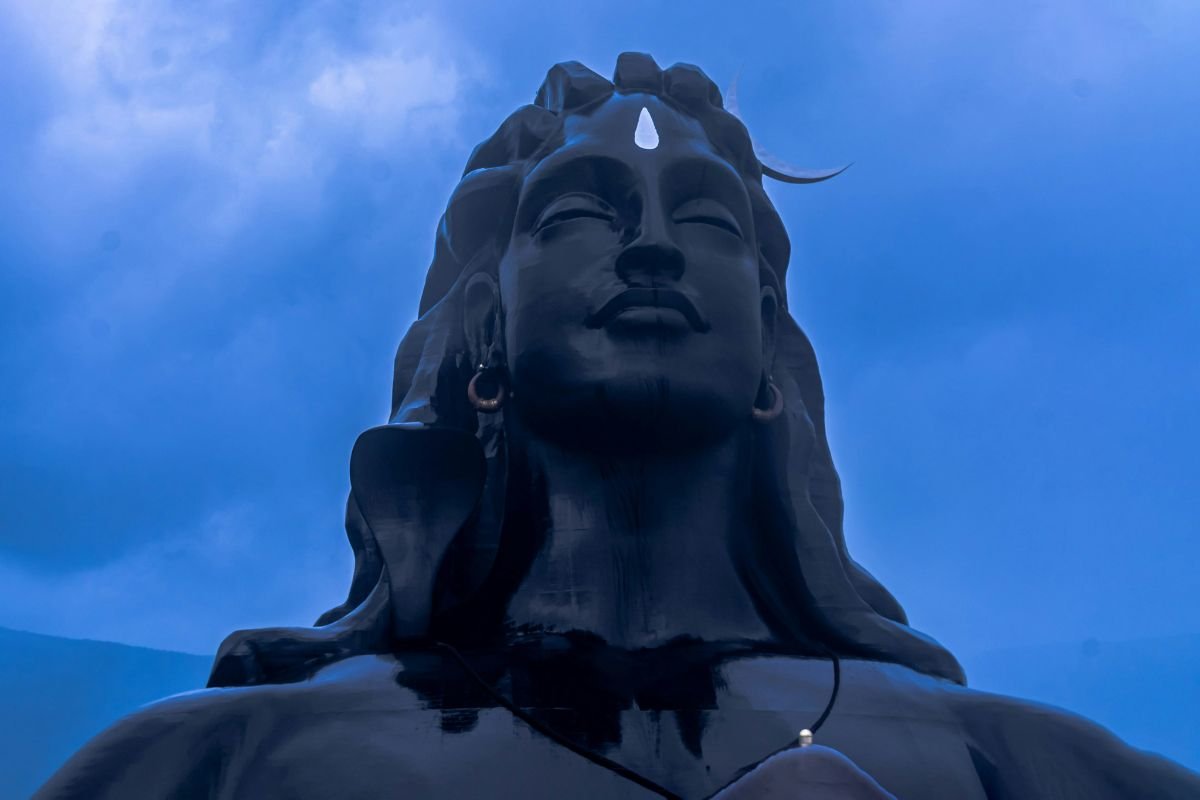
Date: Sunday, 15th February 2026
Chaturdashi Tithi: Begins: 5.04 pm on 15 February
Ends: 5.34 pm on 16 February
Nishita Kaal Puja (Most Important): 12.09 am to 1.01 am on 16 February (51 minutes)
Mahashivratri 2026 Prahar Puja Timings:
Prahar Puja on Mahashivratri is the practice of worshipping Lord Shiva through the entire night, divided into four time periods called prahars. Many devotees return to worship every few hours instead of performing one long puja. It allows their body and mind to gradually shift towards quiet awareness. This continuous night worship is considered very important because it encourages discipline, focus, and conscious effort rather than just performing the puja for the sake of it. Each prahar has a specific offering and purpose:
- First Prahar (Evening): Milk and bilva leaves are offered to settle physical fatigue and ease the mind.
- Second Prahar (Late Night): Curd is offered to reduce inner restlessness and obstacles.
- Third Prahar (Midnight to Pre-Dawn): Ghee is offered to support clarity and understanding.
- Fourth Prahar (Before Sunrise): Honey is offered to conclude the vigil with balance and calm.
These are the Mahashivratri Prahar timings for 2026
- First Prahar: 6.11 pm to 9.23 pm
- Second Prahar: 9.23 pm to 12.35 am
- Third Prahar: 12.35 am to 3.47 am
- Fourth Prahar: 3.47 am to 6.59 am (all on 16th Feb)
- Parana Time (Breaking Fast): 6.59 am to 3.24 pm on 16 February
Auspicious Muhurats on February 15:
Labha: 9.48 am to 11.11 am
Amrita: 11.11 am to 12.35 pm
How to Worship Lord Shiva on Mahashivratri
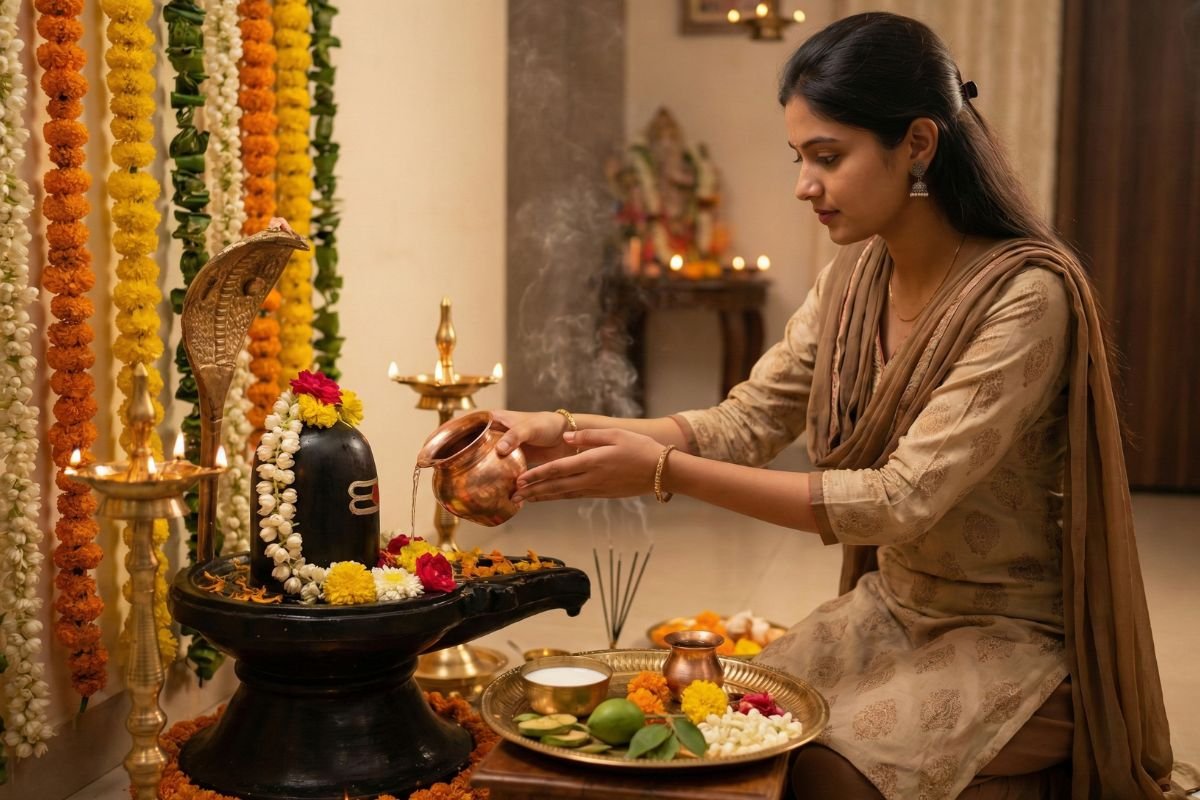
Morning Preparation:
- Wake before sunrise on 15th February
- Bathe and wear clean clothes
- Take Sankalp (pledge to observe the fast)
Evening Puja:
- Take a second bath before starting worship
- Perform abhishek on Shivalinga with Panchamrit (water, milk, yoghurt, honey, ghee, sugar)
- Apply sandalwood paste to the Linga
- Offer Bel leaves, white flowers, Datura, rice, and fruits
- Chant Om Namah Shivaya throughout each Prahar
- Perform aarti with lamp and camphor after each session
Night Vigil:
- Stay awake through the night
- Sit in meditation or quiet chanting
- Recite Shiv Tandav Strotam or other Shiva hymns
- Avoid conversation, loud music, or social activity
Play the Shiva Chalisa or Om Namah Shivay mantra from AstroSure.ai’s SoulChants library softly in the background. It helps maintain focus when the mind wanders during the long night.
Morning After:
- Break the fast after sunrise, within the Parana time
- Eat simple food, not heavy meals
What Not to Offer to Lord Shiva on Mahashivratri
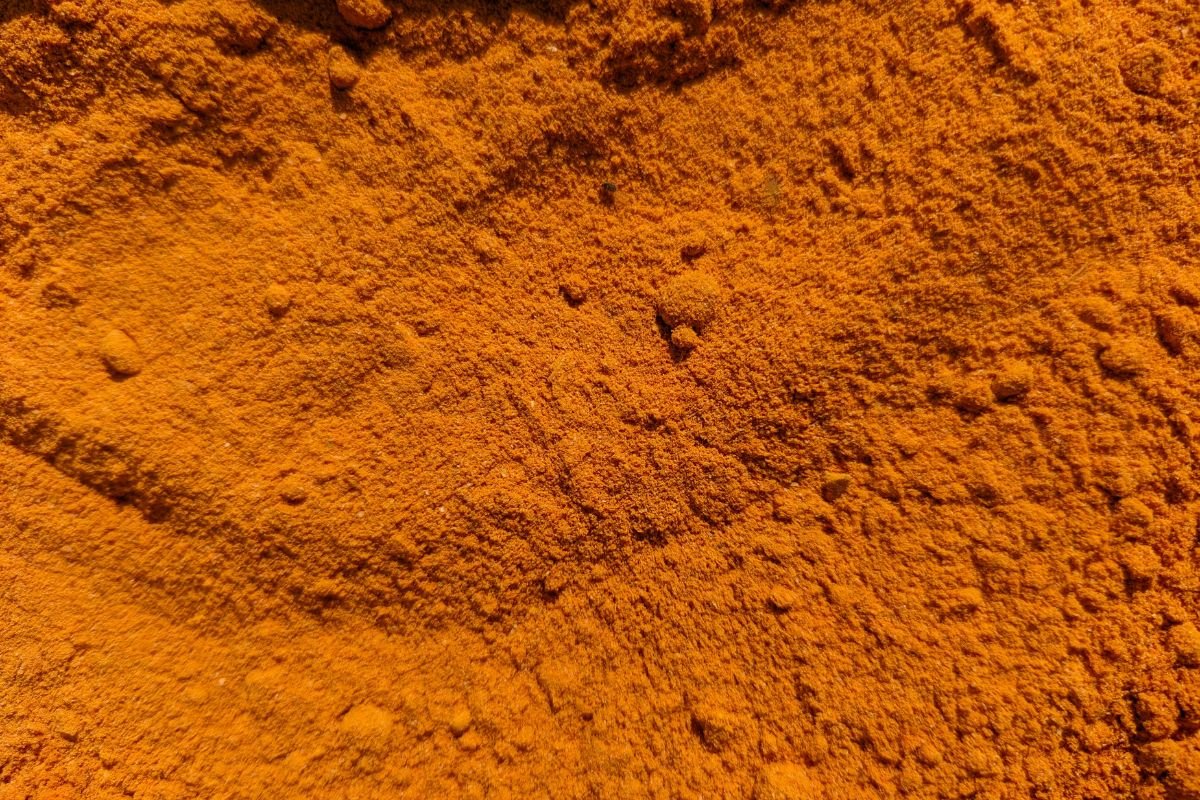
These items are strictly prohibited in Shiva worship and must be avoided:
Tulsi Leaves: According to legends, Tulsi vowed never to participate in Shiva’s worship after he killed her husband, the demon Jalandhar. She is also sacred to Lord Vishnu, not Mahadev.
Ketaki Flower: Shiva cursed this flower for supporting Brahma’s falsehood. It is permanently rejected in his worship.
Turmeric and Kumkum: These represent marital bliss and feminine beauty. Shiva is an ascetic who wears ash, not symbols of worldly attachment. Use sandalwood paste instead.
Coconut Water: A whole coconut can be offered, but never pour coconut water over the Shivalinga. Once it touches the Linga, it becomes Nirmalya (used offering).
Water from Conch Shell: The conch is believed to have originated from the bones of demon Shankhachuda, whom Shiva killed. Never use it to offer water.
These prohibitions reflect Shiva’s ascetic nature and the discipline expected from devotees on this night.
Why Mahashivratri Rewards Restraint More Than Action
Mahashivratri is structured around reduction. Food is reduced, speech is reduced, and movement is reduced. This creates a natural pull inward. With the 2026 planetary setup weakening the ego and strengthening endurance, restraint becomes easier to maintain. The night supports staying present without distraction. Many people experience mental quiet not because they force it, but because the structure of the day removes excess. This is also why Mahashivratri is not suitable for manifestation rituals or desire work. The energy supports release, not accumulation.
Mahashivratri 2026 is defined by timing, discipline, and withdrawal from excess. It rewards those who stay awake, eat less, speak less, and observe more. The night does not promise change. It creates the conditions where change happens naturally once unnecessary weight is set down.
Also read: Mahashivratri 2026 Rudraksha for relationships
Ask Agastyaa on AstroSure.ai to understand how this Mahashivratri affects your chart
Want personalised cosmic guidance?
Download AstroSure and chat with Agastyaa AI for insights tailored to your birth chart.
Download AstroSure