Makar Sankranti 2026: Date, history, significance and key rituals
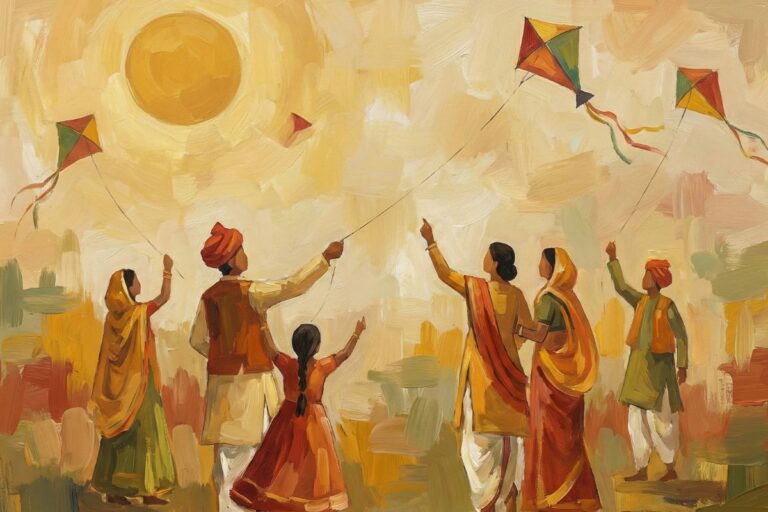
Winter loosens its grip. The sky feels a little brighter. And across India, kitchens fill with the sweet fragrance of sesame and jaggery. Makar Sankranti 2026 arrives on January 14, bringing with it a sense of quiet clarity and sacred renewal. Unlike most festivals that follow the lunar calendar, this one is guided by the movement of the Sun. It marks the moment when Surya enters Capricorn, symbolising the start of Uttarayana, the Sun’s northward journey in the sky.
Across India, people wake before sunrise. Some head to rivers for holy dips. Some prepare sesame sweets in kitchens filled with jaggery fragrance. Others look to the sky, where kites float like tiny prayers. Also known as Maghi or Khichdi in different regions, the festival may change names and rituals, but one thing remains the same: Makar Sankranti is about moving from darkness to light, from inertia to growth, from rest to renewal. So let’s explore the rituals, meaning, history and spiritual essence of Makar Sankranti 2026, and understand why this ancient festival still feels so alive today.
When Is Makar Sankranti 2026?
According to the Hindu solar calendar, Makar Sankranti 2026 falls when the Sun enters Capricorn.
Makar Sankranti Date: Wednesday, January 14, 2026
Makar Sankranti Punya Kala: 03:13 pm to 05:45 pm
Duration: 2 hours 32 minutes
Makar Sankranti Maha Punya Kala: 03:13 pm to 04:58 pm
Duration: 1 hour 45 minutes
Makar Sankranti Moment: 03:13 pm
This sacred window is considered especially beneficial for bathing, offering Arghya to the Sun, charity, chanting and spiritual rituals.
*Makar Sankranti in 2026 should be celebrated on January 14, because the Sun enters Makara (Capricorn) at around 3:15 pm, which is before sunset*. According to ancient texts like Dharm Sindhu and Nirṇaya Sindhu, when this solar shift happens before sunset, the festival is celebrated on the same day. That makes January 14 the correct date for Surya Puja and the main Sankranti observance from both an astronomical and traditional point of view.
*However, many families perform rituals like snān and dān early in the morning during Brahma Muhūrta. For them, doing these specific practices on January 15 is also perfectly acceptable. It follows long-standing regional and family traditions.* In simple terms, Sankranti respects both scripture and custom. The date is guided by astrology, but personal and cultural traditions are honoured too. Dharma makes space for both, without conflict or confusion.
Auspicious Puja Timings on 14 January 2026
You can use these favourable Choghadiya periods for puja:
Labha: 07:15 am to 08:34 am
Amrita: 08:34 am to 09:53 am
Shubha: 11:11 am to 12:30 pm
Labha: 04:27 pm to 05:45 pm
Shubha: 07:27 pm to 09:08 pm
Amrita: 09:08 pm to 10:49 pm
These timings are believed to support clarity, spiritual merit and peaceful outcomes.
The Historical and Spiritual Meaning of Makar Sankranti
Makar Sankranti is woven into mythology, astronomy and agricultural life. It is one of the very few Hindu festivals based on the solar cycle. It marks:
The beginning of Uttarayan, the divine daytime of the gods
The end of Kharmas, restoring auspicious energies
The symbolic movement from ignorance to awareness
The Mahabharata tells us that Bhishma Pitamah waited for Uttarayana before leaving his body, believing it to be a pathway to liberation. It is also linked to stories of Lord Vishnu destroying negative forces, the descent of the Ganga and the divine harmony between Surya and Shanidev. All these threads point to one idea: this is a day when truth, discipline and dharma are honoured. And in everyday life, it marks the shift toward warmer months, harvest celebrations and gratitude for nature.
How Makar Sankranti Is Celebrated Across India
This festival is deeply diverse: Across the country, it holds different names and colours.
In Tamil Nadu, it is Pongal 2026.
In Punjab and Haryana, it is Maghi.
In Assam, it becomes Bhogali Bihu.
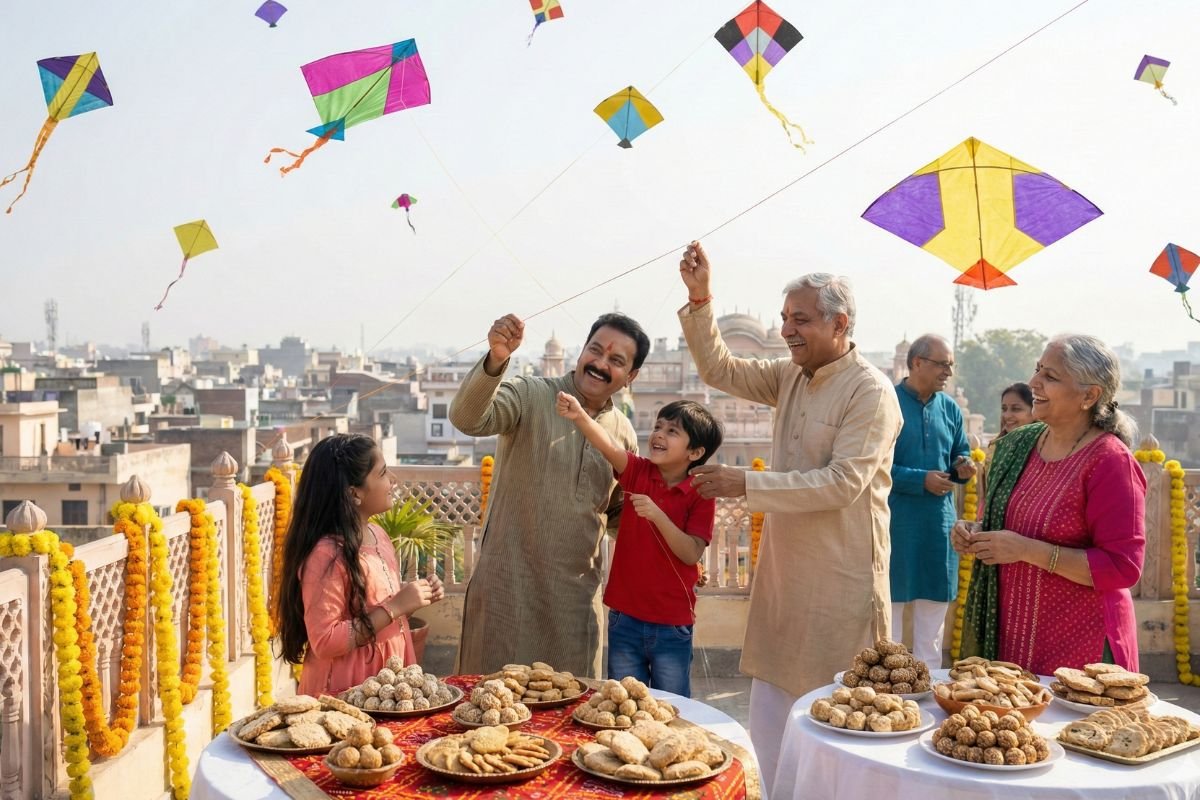
And in Gujarat, the sky fills with kites for Uttarayan.
Many meanings. One heartbeat.
Makar Sankranti and the Sun’s Journey
Makar Sankranti marks the moment when the Sun transits into Capricorn. In astrology, Capricorn represents duty, stability, karma, and grounded ethical action. This is why Sankranti is often described as a moment of Sun transit dharma, where discipline and inspired intention begin to rise again after the stillness of winter. It also marks the beginning of the harvest cycle. Farmers offer gratitude, households celebrate abundance, and communities come together in warmth and prayer.
Traditional Makar Sankranti Rituals
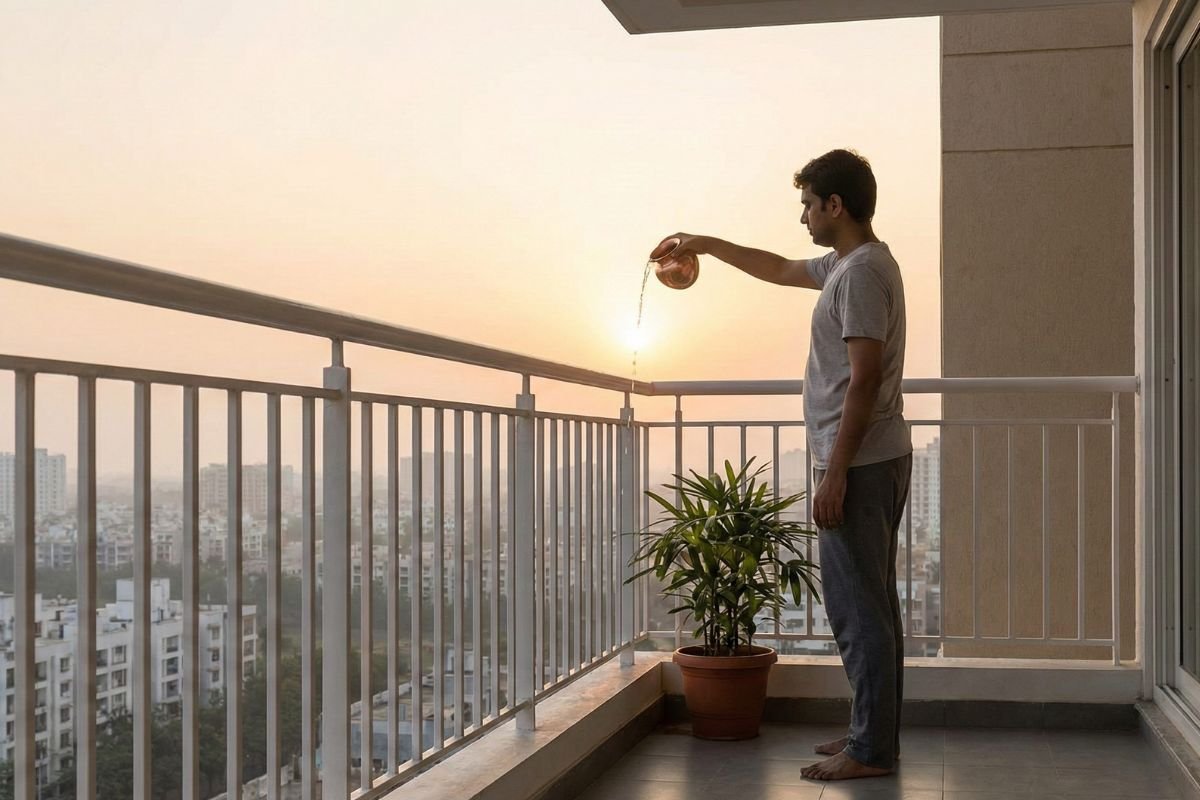
Across India, families welcome Makar Sankranti with simple, heartfelt rituals that honour the Sun, gratitude and fresh beginnings. Here are some of the most loved traditions observed at homes and in communities:
Morning Bathing Ritual: People bathe early in the morning, sometimes in holy rivers, because bathing during Punya Kaal is believed to purify the mind and intention.
Offering Arghya to the Sun: Water, sesame seeds and red flowers are offered to Surya Dev while chanting mantras, asking for clarity, health and light.
Cooking and Sharing Sacred Food: Families prepare dishes like til laddoos, rewri, tilkut, khichdi and dahi chuda. Sesame and jaggery represent warmth, protection and the binding together of relationships.
Charity and Giving: Donating sesame, grains, clothing or food is believed to bring lasting merit and emotional grounding, reflecting the belief that what we share multiplies.
Home Puja and Chanting: Homes glow with lamps and quiet devotion. Many people also chant to centre the mind. You can gently listen to Surya Dev Aarti and Gayatri Mantra together during the puja, because sacred sound helps the heart stay steady and devoted. Listen to these on AstroSure.ai and chant along for clarity and inner peace. You can also check out other SoulChants for gentle grounding, focus and emotional clarity whenever you feel called to reconnect with yourself.
How to Celebrate Makar Sankranti at Home
Here is a simple way to observe the day lovingly:
- Wake early and maintain silence for a few minutes
- Take a mindful bath
- Offer Arghya facing the rising Sun
- Light a diya and recite a prayer
- Prepare something sweet with sesame or jaggery
- Share food or donate something meaningful
- Spend time in gratitude or quiet reflection
These are small actions, but they carry spiritual weight.
The Symbolism of Sesame and Jaggery
Sesame is linked with protection, grounding and Saturn energy. Jaggery represents warmth, compassion and sweetness. Together, they symbolise the balance of discipline and kindness, a core Sankranti message. They also support health during cold months, something our ancestors understood far before science caught up.
Makar Sankranti Across India
The festival looks different depending on where you stand:
Gujarat skies burst with kites
Punjab honours Maghi and Lohri warmth
Tamil Nadu celebrates Pongal rituals and Sun worship
Assam lights up with Bihu feasts
But everywhere, people pray for good harvests, peaceful hearts and brighter days.
Why People Value Makar Sankranti So Deeply
Makar Sankranti holds meaning because it marks a cosmic reset. It signals:
Increasing daylight
A fresh cycle of effort
Blessings for new beginnings
It is believed that offerings made on this day continue to protect and support long after the lamps are blown out.
Mindful Reflections for Makar Sankranti 2026
Sankranti quietly asks a few life questions:
What will you grow this year?
What heaviness can you let go of?
What kind of light do you want to walk towards?
There is no rush. Just intention.
For anyone seeking calm, structured guidance on timing and planetary movement, AstroSure.ai offers daily panchang, lucky timings and gentle insights from Agastyaa, the AI astrologer who blends tradition with quiet clarity.
Makar Sankranti 2026 reminds us that even the smallest shift towards light carries meaning. From holy baths to sesame sweets, every act becomes a prayer for steadiness, kindness and grace.
Ask Agastyaa on AstroSure.ai for your Sankranti spiritual guidance
Want personalised cosmic guidance?
Download AstroSure and chat with Agastyaa AI for insights tailored to your birth chart.
Download AstroSure