Mandalakala 2025: Dates, key rituals, and the astrology behind this powerful period
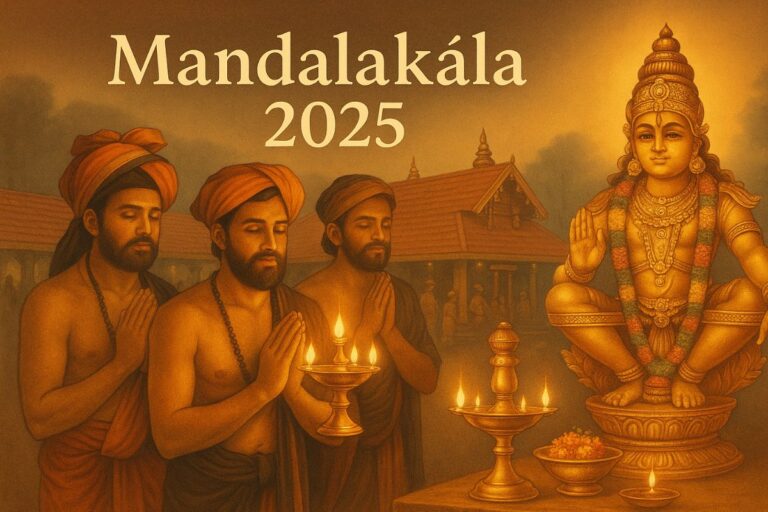
As winter begins to settle over India, the air fills with the sound of chants that stir the soul: Swamiye Saranam Ayyappa. It marks the arrival of one of the most powerful and spiritually charged times of the year: Mandalakala. This 41-day period is not just a festival; it is a sacred journey of self-discipline, devotion, and purification that connects millions of hearts to Lord Ayyappa, the divine symbol of balance, strength, and restraint.
In 2025, Mandalakala begins on November 17 and ends with the grand Mandala Pooja on Saturday, December 27, at the sacred Sabarimala Ayyappa Temple in Kerala. For devotees, these 41 days are an invitation to align the body, mind, and spirit with the rhythm of the divine and the cosmos.
What Mandalakala Means
Mandalakala, also called Mandala Masam, is a period of austerity and devotion observed by Ayyappa devotees. It is believed that observing 41 days of spiritual discipline transforms not just the body but also the consciousness. The number 41 represents a complete cycle of transformation: a time needed to reprogramme the mind through practice, patience, and prayer. During this period, devotees observe a strict vratham, or vow, marked by simplicity, celibacy, and a vegetarian lifestyle. They dedicate themselves to Lord Ayyappa, symbolising surrender of the ego and the awakening of the divine self within.
Mandalakala 2025: Important Dates
Mandalakala begins: Monday, 17 November 2025
Mandala Pooja: Saturday, 27 December 2025
Makaravilakku: Tuesday, 14 January 2026
During these 41 days, the doors of the Sabarimala Sree Dharma Sastha Temple remain open, allowing millions to undertake their pilgrimage through forests, hills, and faith.
Mandala Pooja 2025: Key Timings and Auspicious Muhurats
The Mandala Pooja is the grand culmination of the 41-day observance. On this day, devotees offer gratitude for the discipline, devotion, and blessings received during Mandalakala. Here are the most auspicious timings for puja on December 27, based on Choghadiya timings:
Shubha (Good): 08:30 am to 09:47 am
Labha (Gain): 01:40 pm to 02:57 pm
Amrita (Best): 02:57 pm to 04:15 pmLabha (Gain): 05:32 pm to 07:15 pm
Amrita (Best): 10:40 pm to 12:22 am
These periods carry strong cosmic vibrations that amplify the effects of worship, meditation, and charity.
The Rituals and Observances for Mandalakala 2025
Mandalakala is defined by devotion and discipline. It starts with vratham, a vow of purity and self-control.
1. The 41-Day Vratham: Devotees wear a black or blue dhoti and a mala of Rudraksha or Tulsi beads. They avoid worldly pleasures, refrain from anger, and dedicate every action to Lord Ayyappa.
2. Daily Worship and Fasting: Each day begins with an oil bath, followed by lighting lamps, chanting mantras, and visiting temples. The mantra Swamiye Saranam Ayyappa becomes the breath of every devotee during this sacred time.
3. The Irumudi Kettu: Before the journey to Sabarimala, devotees carry the Irumudi, a twin-compartment cloth bundle that holds offerings for the Lord in one section and personal essentials in another. This represents both surrender and responsibility.
4. Simplicity in Dress: The black attire worn during Mandalakala symbolises humility and detachment. It also signifies equality among all devotees, regardless of status or background; every pilgrim is seen as the same in Ayyappa’s eyes.
5. The Visit to Guruvayur: Before heading to Sabarimala, many devotees seek blessings at the Guruvayur Sri Krishna Temple, a symbolic stop that invokes guidance from Lord Krishna, the eternal protector.
How Mandala Pooja Is Done
At the Sabarimala Temple, Mandala Pooja is performed with grand rituals, including the Abhishekam (ritual bathing of the deity), lighting of lamps, Vedic chanting, and offerings of ghee, coconut, and camphor. The temple glows with thousands of lights as devotees chant Swamiye Saranam Ayyappa in unison. It marks the spiritual completion of the 41-day vow.
How to Do Mandala Pooja at Home
If you cannot travel to Sabarimala, you can still observe Mandala Pooja at home and invite the same divine energy into your space. Here’s a simple way:
- Set Up an Ayyappa Altar: Place a photo or idol of Lord Ayyappa facing east. Decorate it with flowers and light a lamp.
- Perform Abhishekam: Bathe the idol with pure water or milk while chanting Swamiye Saranam Ayyappa.
- Offer Naivedyam: Prepare simple offerings such as ghee rice, coconut, or jaggery payasam.
- Chant and Pray: Recite the Ayyappa Ashtothram or Harivarasanam during the Amrita Muhurat for maximum spiritual benefit.
- Close with Gratitude: Conclude with silent meditation, thanking the Lord for strength and clarity over the past 41 days.
Even if performed quietly at home, the intent and devotion carry the same power as a temple ritual. The key lies in consistency, humility, and faith.
The Astrological Meaning Behind Mandalakala
From an astrological perspective, Mandalakala begins when the Sun enters Scorpio. This period is ruled by Mars, a planet linked to energy, endurance, and inner strength, the very qualities needed for the Ayyappa vratham. Scorpio represents transformation and self-mastery, while Mars brings courage and discipline. Together, they create the perfect cosmic setting for purification and spiritual awakening.
When the Mandala Pooja concludes, the Sun moves into Sagittarius, a sign of wisdom, higher learning, and expansion. This marks a symbolic rise from discipline to enlightenment, mirroring the devotee’s journey from effort to grace.
The Spiritual Science of 41 Days
The human mind takes about six weeks to form new patterns and shed old habits, and that is what Mandalakala symbolises. Each week represents a new layer of purification:
- Weeks 1–2: Cleansing the body through restraint and simplicity.
- Weeks 3–4: Quieting the mind and emotions through prayer.
- Weeks 5–6: Deepening spiritual awareness and detachment.
- Week 7: Realisation and surrender — when inner silence blossoms into devotion.
Astrologically, this aligns with planetary cycles that promote discipline, healing, and awakening, making Mandalakala one of the most transformative periods in the Hindu calendar.
The Energy of Lord Ayyappa
In astrological symbolism, Lord Ayyappa represents the union of Saturn’s discipline and Mars’s courage: two opposite but complementary energies. Saturn teaches patience and endurance, while Mars fuels action and determination. Together, they create the perfect balance of self-control and spiritual power. That is why devotees invoke Ayyappa with the chant Swamiye Saranam Ayyappa, an affirmation of surrender and faith that quiets the restless mind and channels it toward inner strength.
The True Meaning of Mandalakala
Mandalakala reminds us that spirituality is not found in isolation but in daily life. The 41 days teach patience, humility, and awareness, qualities that shape not only a better devotee but a better human being. As devotees climb the hills of Sabarimala or light a lamp at home, they are also ascending within, one step closer to peace and balance.
So, when Mandalakala 2025 begins, remember that its rituals are not restrictions but gateways to transformation. Each prayer, each act of restraint, and each offering is a step toward the divine.
Ask Agastyaa on AstroSure.ai for personalised Mandalakala 2025 insights and auspicious puja timings today
Want personalised cosmic guidance?
Download AstroSure and chat with Agastyaa AI for insights tailored to your birth chart.
Download AstroSure