Mattu Pongal 2026: Date, significance and why cattle worship matters
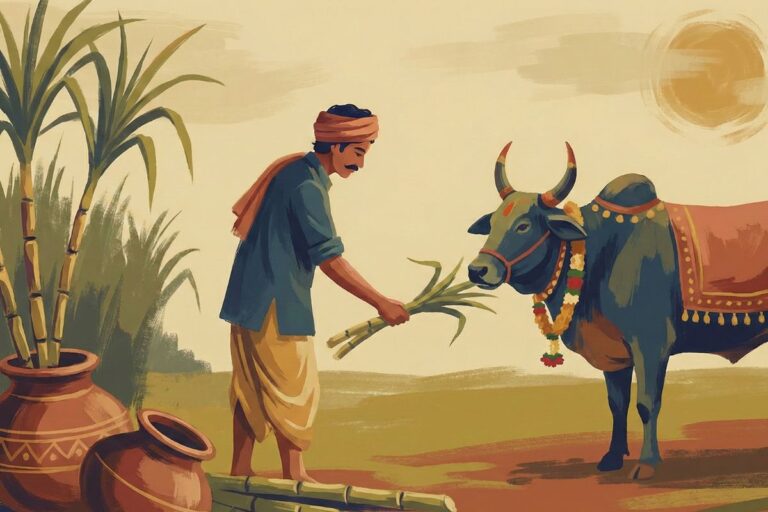
On January 15, 2026, Mattu Pongal arrives as the third day of the four-day harvest festival. This is when gratitude extends beyond kitchens and into fields, barns, and rural paths where cattle have laboured beside farmers for centuries. Think of this day as an emotional bond between people, animals, and the land that feeds them all. Mattu Pongal is part of the larger Pongal festival, but it carries its own soul. While Thai Pongal honours the Sun God for warmth and grain, Mattu Pongal turns to cattle worship, recognising cows and bulls as the living force behind every harvest. From decorating cattle with garlands and bells to the thrilling energy of Jallikattu in some villages, this Tamil tradition slows life down just enough to remember what partnership truly means.
Mattu Pongal 2026 Date and Why It Matters
Mattu Pongal 2026 will be observed on Thursday, 15 January 2026.
Unlike festivals that change date every year, Mattu Pongal is tied to the solar calendar and lunar cycles that have guided farming communities for millennia. It follows Makar Sankranti, the Sun’s entrance into Capricorn, signalling a shift in seasons and the promise of new abundance.
Auspicious Mattu Pongal 2026 Puja Timings
For those performing rituals and prayers on the main day, these are the most favourable time windows:
Shubha: 07:15 am to 08:34 am
Labha: 12:31 pm to 01:50 pm
Amrita: 01:50 pm to 03:08 pm
Amrita: 05:46 pm to 07:27 pm
These are the ideal moments for cattle worship, blessings, family prayer, and expressing gratitude to all elements of nature.
What Mattu Pongal Means
At its heart, Mattu Pongal meaning is about gratitude, humility, and the interdependence of life. Cows, bulls, and oxen are more than animals here. They are partners in growth. Their strength ploughs fields. Their milk nourishes families. Their very presence whispers that earth energy and human effort are connected. When you honour them, you honour:
The toil of farming lifeSustenance beyond calorie countsThe rhythm of seasons and seasons of life
This is why cattle worship on Mattu Pongal is deeply emotional and spiritually grounding.
Why Cattle Worship Matters on Mattu Pongal
In a time when technology and mechanisation dominate agriculture, cattle worship reminds us of our origins. The curated life of convenience sometimes hides how deeply rooted we are in earth energy and agrarian cycles. Mattu Pongal brings that awareness back gently but firmly. When you decorate a cow with garlands, paint its horns, and feed it special treats, you are not merely performing a ritual. You are saying ‘thank you’ to the invisible architecture of existence: the earth, the seasons, the sun, and the silent labour that supports every meal. This act connects you to prosperity blessings that do not fade overnight, but grow slowly and steadily, like roots sinking deeper after rain.
How to Celebrate Mattu Pongal 2026
- Decorate the animals with flowers, bells and coloured paint so they feel honoured and seen. This is the most visible way of expressing love for the creatures that give without complaint.
- Feed the cows and bulls nutritious fodder made from grains, jaggery and greens to express practical gratitude. Inviting them into the ritual makes it real, not symbolic.
- Offer prayers to Surya, the Sun God, acknowledging that his light transforms fields into food and effort into harvest. This expands the festival’s intent beyond human effort to cosmic support.
- Play Surya Chalisa followed by the Agni Mantra to align your mind, body and emotions with both solar life force and transformative fire energy. These Soulchants on AstroSure.ai help ground festive joy into calm, stable intention rather than fleeting excitement.
- Sit as a family or community and share stories of harvest, growth, and resilience so the sense of unity deepens. This transforms the day from ceremony to connection.
What Happens After Mattu Pongal
After the cattle are worshipped and thanked, the village’s energy changes. People relax a little. Stories bloom. Children laugh more freely. This tells you something about the festival’s real value: it honours not just animals, but the community that surrounds them. The bond between people and cattle becomes a mirror for how they bond with each other.
Mattu Pongal and Local Culture
In Tamil Nadu, Mattu Pongal is also associated with traditional sports like Jallikattu in some regions. These bull-taming events stem from respect and celebration of cattle strength, not mere entertainment. They remind younger generations of bravery, balance, and respect, the values that come from living alongside animals, not apart from them. Across villages and towns alike, from temples to rural pathways, Mattu Pongal is a reminder that prosperity blessings are not abstract. They are lived, breathed, touched and felt.
Mattu Pongal 2026 and Earth Energy
This festival connects you with the ground beneath your feet in a way few celebrations do. When you honour cattle, you honour the soil, the rain, the sun and the seasons that sustain them. This is earth energy in motion, not in meditation or metaphor, but in the real, earthy strength of living systems.
Mattu Pongal’s strength lies in its simplicity. In honouring cattle, it honours patience, effort, and the unseen work that sustains life. It reminds us that prosperity is something we nurture through gratitude and responsibility. This festival teaches us humility without preaching, respect without force, and abundance without excess. Long after the decorations fade, its message stays quietly rooted in the heart.
FAQ (Frequently Asked Questions) about Mattu Pongal
1. What is the date of Mattu Pongal 2026?
Mattu Pongal 2026 will be celebrated on January 15, 2026, the third day of the four-day Pongal festival.
2. What is the significance of cattle worship in Mattu Pongal?
Cattle worship honours the animals that support agriculture, symbolising gratitude for earth energy, nourishment, and prosperity blessings.
3. How is Mattu Pongal celebrated?
Cows and bulls are cleaned, fed, decorated and honoured with prayers and gatherings among family and community.
4. Why is Mattu Pongal important in Tamil culture?
It highlights regional respect for farming life, community interdependence, indigenous practices, and cultural celebration rooted in nature.
5. Can I participate in Mattu Pongal rituals if I live in a city?
Yes. You can feed local animals, offer gratitude, decorate symbolic cattle images or farm-visiting animals and share traditions with family.
Ask Agastyaa on AstroSure.ai to align your festival intentions with karmic timing and prosperity blessings
Want personalised cosmic guidance?
Download AstroSure and chat with Agastyaa AI for insights tailored to your birth chart.
Download AstroSure