Narasimha Dwadashi 2026: Date, significance and puja vidhi
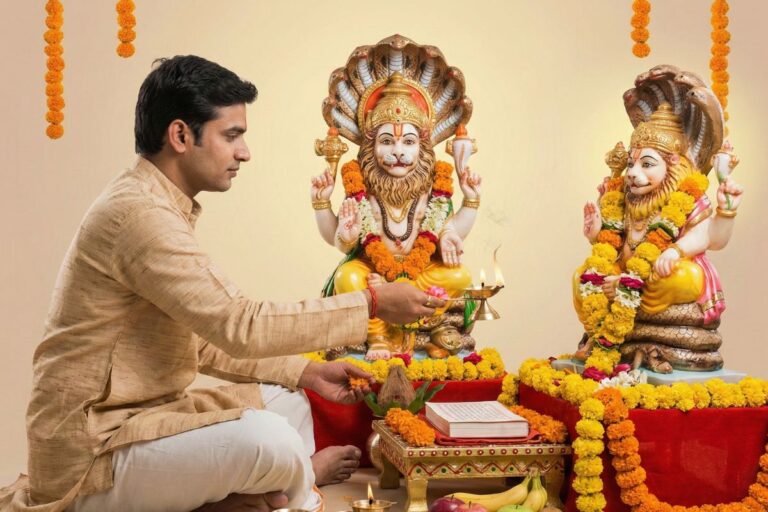
Narasimha Dwadashi is observed on the Shukla Paksha Dwadashi of the Phalguna month and is linked to the Narasimha and Govinda forms of Lord Vishnu. Unlike Ekadashi, this observance focuses less on renunciation and more on control. It is meant to regulate fear, anger, and impulsive behaviour that builds quietly over time. In 2026, Narasimha Dwadashi falls on February 28, with specific tithi and parana conditions that require attention. Small mistakes around timing, fasting, and night conduct are common on this day. Here is how to observe Narasimha Dwadashi 2026 correctly, without overdoing it.
Narasimha Dwadashi 2026 Date, Tithi and Parana
Narasimha Dwadashi falls on Saturday, February 28, 2026.
Dwadashi Tithi begins at 10:32 pm on February 27, 2026
Dwadashi Tithi ends at 8:43 pm on February 28, 2026
Parana is observed on Sunday, March 1, 2026, between 6:46 am and 9:05 am.
Dwadashi ends before sunrise on the parana day, which means the fast must not be broken on February 28 itself. This timing matters because the vrat is linked to restraint through continuity, not intensity, for one day.
Puja Timings on February 28, 2026
Shubha: 8:14 am to 9:41 am
Labha: 2:00 pm to 3:27 pm
Amrita: 3:27 pm to 4:54 pm
Avoid Kala and Rahu Kalam for starting worship or ending fast. These periods increase the chance of impulsive decisions and timing mistakes.
What Narasimha Dwadashi Is and Who It Is Meant For
Narasimha Dwadashi is associated with Lord Narasimha for protection and with Govinda for regulation. Both forms are invoked because this vrat addresses fear, aggression, and loss of control. The Narada and Bhavishya Puranas emphasise Govinda worship on this day to stabilise behaviour rather than provoke emotion. This observance suits you if anger, impulsive reactions, or boundary issues disturb your routine.
Puja Vidhi for Narasimha Dwadashi
- Wake up before sunrise and keep the morning quiet: Prevents rushing and agitation later in the day
- Bathe and wear clean, simple clothing: Prevents distraction and excess
- Offer milk or water to Lord Govinda or Narasimha: Keeps prayer restrained and focused
- Perform a small havan with ghee and sesame if feasible: Helps contain mental restlessness
- Listen to Om Namah Shivaya: Supports steadiness without emotional excess. You can play the track on AstroSure.ai and chant along.
Fasting Rules and Night Conduct
This vrat requires controlled fasting, not complete deprivation unless health permits.
Allowed: fruits, milk, light satvik food if required
Avoid: grains, fried food, stimulants, late meals
After sunset, avoid arguments, entertainment, and unnecessary movement. Night conduct is about holding restraint, not proving endurance. Sleeping early is acceptable if discipline is maintained.
Benefits of Observing Narasimha Dwadashi 2026
- Helps you control anger and emotional reactions.
- Trains you to pause before making decisions.
- Reduces avoidable conflicts and power struggles.
- Strengthens discipline around timing and routine.
- Builds steadiness during stressful or demanding periods.
When Narasimha Dwadashi 2026 is handled with restraint, it prevents agitation, reactive speech, and boundary violations in the days that follow. The benefit comes from disciplined timing and controlled conduct, not emotional intensity.
Ask Agastyaa on AstroSure.ai for precise Narasimha Dwadashi observance guidance
Want personalised cosmic guidance?
Download AstroSure and chat with Agastyaa AI for insights tailored to your birth chart.
Download AstroSure