Narmada Jayanti 2026: Date, significance and the spiritual power of River Narmada
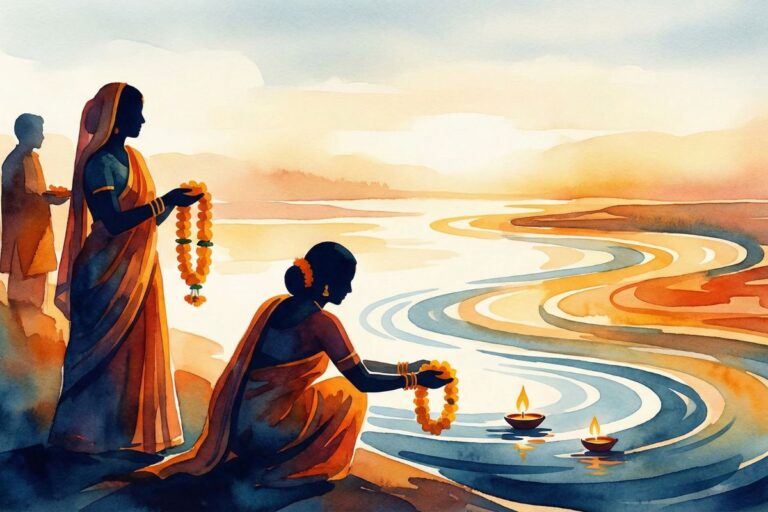
Narmada Jayanti, which falls on January 25 this year, marks the divine appearance of River Narmada on earth. It is celebrated on the Saptami Tithi of the Magh month according to the Hindu lunar calendar, and for devotees, this day is not only about ritual worship. It is about recognising water as living consciousness. The Narmada is celebrated not just as a river but as a mother who heals, protects and quietly reshapes lives through patience and continuity.
In Madhya Pradesh and Gujarat, the day carries deep cultural meaning. At Amarkantak, the birthplace of the river, and at sacred ghats such as Omkareshwar and Maheshwar, devotees gather to bathe, pray and offer gratitude. Narmada Jayanti is also important for those completing the Narmada Parikrama, the only river circumambulation tradition in India. Let us take a deep dive into the rituals, puja timings and benefits of this festival to understand what exactly makes this day special.
Narmada Jayanti 2026 Date and Tithi
Narmada Jayanti will be celebrated on Sunday, January 25, 2026
The Saptami Tithi begins at 12:39 am and ends at 11:10 pm on the same day.
Rituals usually begin after sunrise, making the morning and early afternoon especially meaningful for worship and bathing.
Auspicious Timings for Worship on Narmada Jayanti 2026
These periods are traditionally preferred for puja, bathing and offerings:
Labha (Gain): 09:53 am to 11:13 am
Amrita (Best): 11:13 am to 12:34 pm
Shubha (Good): 01:54 pm to 03:14 pm
Shubha (Good): 05:54 pm to 07:34 pm
Why the River Narmada is Considered Sacred
In Hindu tradition, Narmada is known as Mokshadayini, the river that grants liberation. While most rivers purify when you bathe in them, Narmada is believed to cleanse simply by her presence. Ancient texts describe her as emerging from Lord Shiva’s tapasya, making her deeply connected with both transformation and protection.
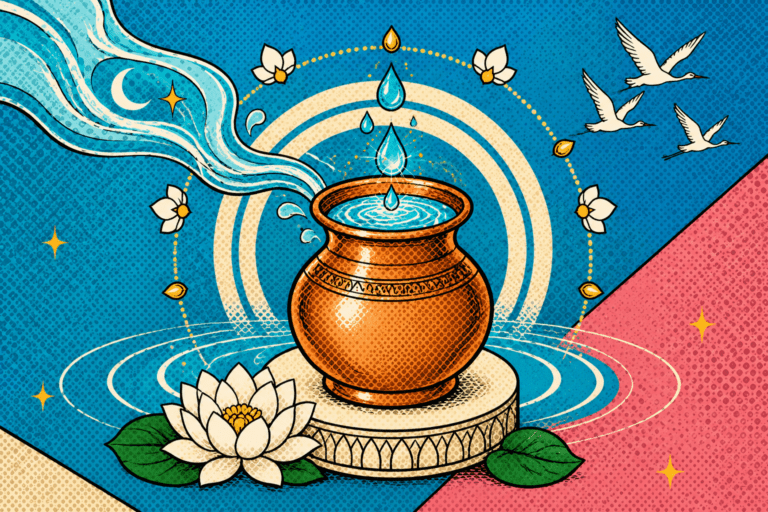
She is also called Reva, Shiv-Dundhi and Narmada Maiya. Her image shows her seated on a lotus, riding a crocodile, symbolising strength guided by wisdom. She carries the trishul, the kalash and the Shivling, representing courage, abundance and devotion. This is why worshipping Narmada is often seen as equal to worshipping Shiva himself. Beyond belief, the river holds ecological and emotional meaning. She sustains agriculture, towns and generations of livelihood. On Narmada Jayanti, devotion and responsibility come together. Gratitude becomes practical.
Narmada Jayanti 2026 Rituals
These rituals focus on sincerity, clarity and respect for nature. Each action carries quiet intention.
- Begin with purification: Wake up early and bathe. If you cannot reach the river, add a few drops of clean water into your bath and hold Narmada in thought. This step symbolises readiness to release mental heaviness.
- Create a calm worship space: A small lamp, flowers and a bowl of water are enough. The purpose is not decoration. It is attention.
- Offer water to Lord Shiva: Narmada is deeply linked with Shiva. Pouring water on a Shivling with gratitude honours this bond.
- Chant Om Narmadaye Namah: Repeat it gently. Let the sound steady your breath. You can also listen to the Shiv Aarti and Om Namah Shivay on AstroSure.ai while performing puja. They help anchor the mind and create emotional stability during worship. Explore the SoulChant section for moretracks that enhance focus and grounding.
- Light a diya by flowing water or in a bowl: Fire and water together symbolise balance.
- Perform charity: Food, clothes or water donation reflects the river’s nature of giving.
Fasting: Fasting is optional. It is encouraged gently, not forcefully. If you choose to fast, consume fruits, milk, curd or simple sattvic meals. Avoid onion, garlic and heavy foods.
The Story Behind Narmada Jayanti
According to ancient texts, when Lord Shiva’s intense meditation created unbearable heat, his tears gave birth to River Narmada. She emerged to restore balance and cleanse the earth of chaos. Wherever she flows, negativity dissolves and steadiness returns. This is why her worship is associated with healing, courage and clarity. Narmada Jayanti celebrates not power, but compassion that is strong enough to protect.
Who Benefits Most from Observing Narmada Jayanti
Narmada Jayanti is open to everyone, but it is especially meaningful for:
- People seeking emotional calm
- Families wishing for stability and prosperity
- Those experiencing health challenges
- Couples seeking harmony
- Individuals walking a reflective or disciplined life path
The river’s symbolism is universal. Flow. Patience. Consistency. Healing without urgency.
Do’s and Don’ts for the Day
Do:
- Keep thoughts steady
- Speak with kindness
- Offer water and light
- Feed animals or birds
- Donate what you can
Avoid:
- Anger
- Harsh speech
- Intoxication
- Waste of water
If you cannot visit the river, worship her symbolically at home. Presence matters more than location.
How Astrology connects with Narmada Jayanti
From an astrological lens, rivers represent the Moon’s emotional intelligence and Jupiter’s expansive wisdom. Narmada Jayanti falls during a time that supports cleansing of karmic patterns and emotional stagnation. It is not about asking for outcomes. It is about restoring alignment. The river reflects how stability grows through steady movement, not force. This is why many use this day to release emotional baggage and begin again quietly.
Narmada Jayanti 2026 is a reminder of rhythm. The river teaches us that strength does not rush and healing does not demand attention. It arrives when consistency meets sincerity. When we honour Narmada, we honour patience, compassion and responsibility toward the world that sustains us.
Ask Agastyaa on AstroSure.ai for your personal karmic alignment guidance
Want personalised cosmic guidance?
Download AstroSure and chat with Agastyaa AI for insights tailored to your birth chart.
Download AstroSure