Your horoscope might be wrong: The zodiac shift no one told you about
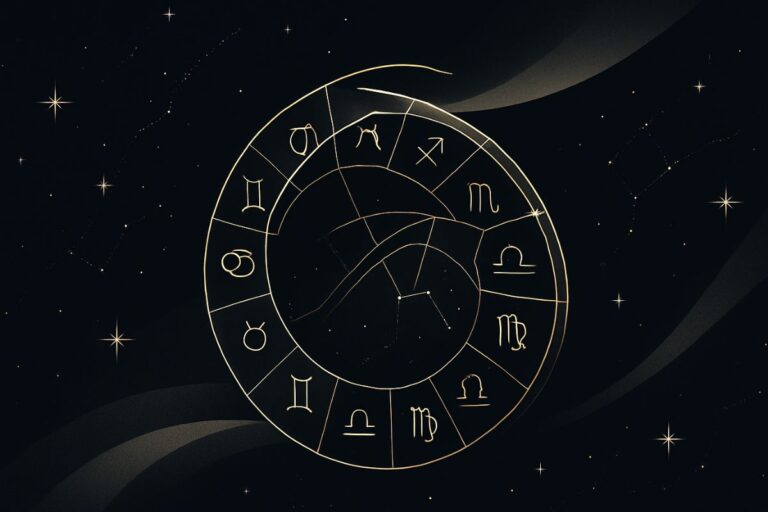
Imagine that you have introduced yourself as a Virgo your entire life. You have read the horoscopes, bought the Virgo-themed stickers to decorate your carry-on, and even blamed your perfectionist streak on the sign. But here’s a twist: on the day you were born, the Sun was actually standing in front of Leo, not Virgo. So, are you really the sign you think you are?
This isn’t clickbait. It’s a story about Earth, time, and how our planet’s slow wobble has quietly shifted the stars above our heads. Astrology still works in its own symbolic way, but the astronomy behind your zodiac sign might surprise you. Let’s untangle it.
The original zodiac
So, a couple of thousand years ago, astrologers and astronomers were the same people. The Babylonians, and later the Greeks, mapped the sky into 12 equal slices, each one tied to a constellation. From our view on Earth, the Sun seemed to travel through one slice of the sky each month. That was the birth of Aries, Taurus, Gemini, and so on. But here’s the catch: the stars don’t sit still.
Earth’s wobble: The big shift

Like a spinning top, Earth wobbles on its axis, a motion known as axial precession. This slow wobble causes the background stars to drift over time. It is often explained as a shift of about 1 degree every 84 years, which means the constellations gradually change their alignment with the equinoxes and solstices.
The Greek astronomer Hipparchus spotted this back around 130 BCE. He compared star positions from his time with older records and noticed something strange: the stars had moved. Not dramatically, but enough to matter.
In Vedic astrology, this drift is called ayanamsa, the slow backwards shift of the equinox compared to the fixed stars. Ancient texts like the Surya Siddhanta talk about these long cycles, showing that Indian seers noticed this pattern long before modern science did. Because of this shift, the sidereal zodiac used in Vedic astrology doesn’t line up exactly with the tropical zodiac used in Western astrology, as over time, the signs slowly move out of sync.
Fast-forward 2,000 years. That tiny shift has now built up to nearly 28 degrees, almost a full zodiac sign. Which means, for many birthdays, the constellation behind the Sun today is not the same one ancient astrologers recorded.
For example, look at September 15. Long ago, about 2,000 years ago, the Sun was in front of the Virgo constellation on that day. Because Earth slowly wobbles over time, the Sun now appears in front of Leo instead. So if you are born on September 15, astrology still calls you a Virgo (tropical zodiac), but the real stars behind the Sun are in Leo. So which one are you? That depends on the system.
Two zodiacs, two stories
Here’s where it gets interesting:
Tropical Zodiac: The Tropical Zodiac is the system used in Western astrology. It fixes the zodiac signs to the changing seasons rather than the actual constellations in the sky. For example, Aries always begins on the first day of spring, while Libra always begins on the first day of autumn. This system stays linked to the cycle of equinoxes and solstices, not to the stars themselves. Because of that, it does not shift along with Earth’s slow wobble, known as precession.
Sidereal Zodiac: The Sidereal Zodiac, used in Indian or Vedic astrology, follows the actual positions of the stars and constellations in the sky. Since Earth wobbles slowly over thousands of years, this system shifts along with it. That is why many people notice their sidereal sign often falls one sign earlier than their tropical sign. For example, someone who is a tropical Aries might be a sidereal Pisces. This doesn’t make the sidereal sign ‘wrong’; it simply means it stays aligned with the stars as they move.
Neither system is wrong; they are just different lenses. Tropical astrology ties you to Earth’s seasonal cycles. Sidereal astrology ties you to the night sky.
So… is your horoscope wrong?

Your horoscope isn’t exactly ‘wrong.’ It all depends on which system of astrology you follow. In tropical astrology, which is common in the West, zodiac signs are linked to the seasons. Aries always begins with the spring equinox, Libra with the autumn equinox, and so on. Because it follows the seasonal calendar, this system has stayed the same for over 2,000 years, even though the stars have shifted.
In sidereal astrology, used widely in India, the zodiac is tied to the actual stars in the sky. Since Earth wobbles slowly over time, the positions of the stars drift, and this system shifts along with them. That’s why many people find their sidereal sign is about one sign earlier than their Western sign. Think of it like our festivals. Makar Sankranti is based on the Sun and always falls in January, while Diwali is based on the Moon and its date shifts every year. Both are correct. They just use different calendars. Astrology works the same way: the tropical zodiac reflects the rhythm of the seasons, while the sidereal zodiac reflects the stars. They don’t always match, but both are meaningful systems that tell their own stories.
Astrology works with symbols in different ways: tropical astrology follows the seasons, while sidereal astrology follows the stars. Rather than arguing over which system is superior, the real key is clarity. When reading or listening to a prediction, it helps to know whether it comes from Vedic (sidereal) or Western (tropical) astrology. Mixing the two often creates confusion and weakens understanding. As the saying goes, a little knowledge can be dangerous, but clarity lights the way. Only when we know which system we are following can astrology offer insights that truly guide and inspire.
Ask Agastyaa at AstroSure.ai to explore your true zodiac story
Want personalised cosmic guidance?
Download AstroSure and chat with Agastyaa AI for insights tailored to your birth chart.
Download AstroSure