Phulera Dooj 2026: Date, significance, and how to observe this day correctly

We often treat Phulera Dooj 2026 as a day where anything auspicious can be done at any time. That assumption leads to rushed ceremonies, poorly timed decisions, and avoidable corrections later. This year, the day also falls during Agni Panchak, which changes how you should act even on a favourable date. If you handle the day casually, you may miss its actual benefit. Here is how to observe Phoolera Dooj correctly in 2026.
Phulera Dooj 2026 Date and Time
Phulera Dooj date: Thursday, February 19, 2026
Dwitiya Tithi begins: 04:57 pm on February 18, 2026
Dwitiya Tithi ends: 03:58 pm on February 19, 2026
As Udaya tithi falls on February 19, Phulera Dooj will be observed on this day.
What Is Phulera Dooj
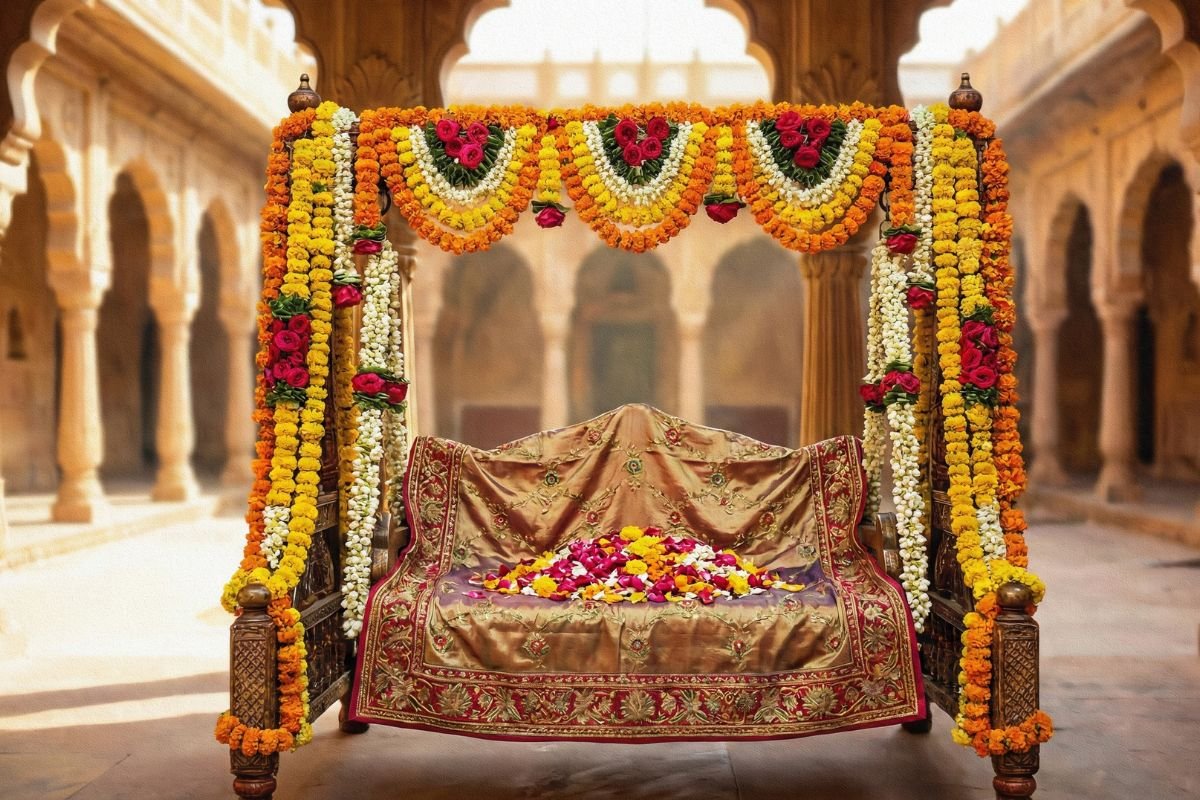
Phulera Dooj, also known as Phoolera Dooj or Phulera Duj, is observed on Shukla Paksha Dwitiya of the Phalgun month. It is primarily dedicated to Lord Krishna and Radha, especially in the Braj region of Mathura and Vrindavan. The day marks the symbolic beginning of Holi celebrations, where Krishna is worshipped with flowers instead of colours. Devotion on this day focuses on joy with restraint. Worship, charity, and relationship-related rituals are favoured, but actions should remain measured, respectful, and timed correctly.
Also read: Holashtak 2026 dates and guidelines
Yogas and Planetary Factors Making Phulera Dooj 2026 Special
- Siddha Yoga supports actions that are already prepared. Tasks planned earlier stabilise when completed during this yoga.
- Sadhya Yoga, which follows later in the day, rewards effort but not shortcuts. Anything started without clarity may need revision.
- Agni Panchak increases the risk of errors when actions are rushed or dramatic.
On this Phulera Dooj, the Moon remains in Shukla Paksha Dwitiya, which supports beginnings but does not tolerate haste. Decisions made too quickly often need correction within days. The Sun’s placement keeps attention on public conduct rather than personal desire, which is why discipline matters more than celebration. With Purva Bhadrapada Nakshatra active for most of the day, outcomes improve when actions are planned instead of improvised.
Phulera Dooj Muhurat and How to Use It
Recommended Choghadiya on Thursday, February 19, 2026
- Shubha: 06:30 am to 07:58 am- Use this for worship, household prayers, and calm beginnings.
- Labha: 12:23 pm to 01:51 pm- Suitable for agreements, financial planning, and formal discussions.
- Amrita: 01:51 pm to 03:19 pm and 06:16 pm to 07:47 pm- Best for commitments, marriage rituals, and offerings.
Avoid initiating important activities during Kala and Rahu Kalam, as your judgment tends to weaken then.
If you feel unsure about matching an activity with the correct window, AstroSure.ai’s muhurat guidance helps you confirm suitable timings without confusion.
Why Phulera Dooj Significance is Debated in Astrology
Many treat Phulera Dooj as an Abujh Muhurat and assume no timing checks are needed, which is where mistakes begin. The belief comes from the Moon’s position on Shukla Paksha Dwitiya, which reduces clashes between planetary lords and removes common doshas. However, this does not cancel all restrictions. In 2026, Agni Panchak runs throughout the day. It does not block auspicious work, but it demands restraint. Activities involving fire, haste, or emotional excess require care.
What to do on Phulera Dooj
- Begin the day with a simple bath and prayer: This prevents rushed decisions and steadies conduct.
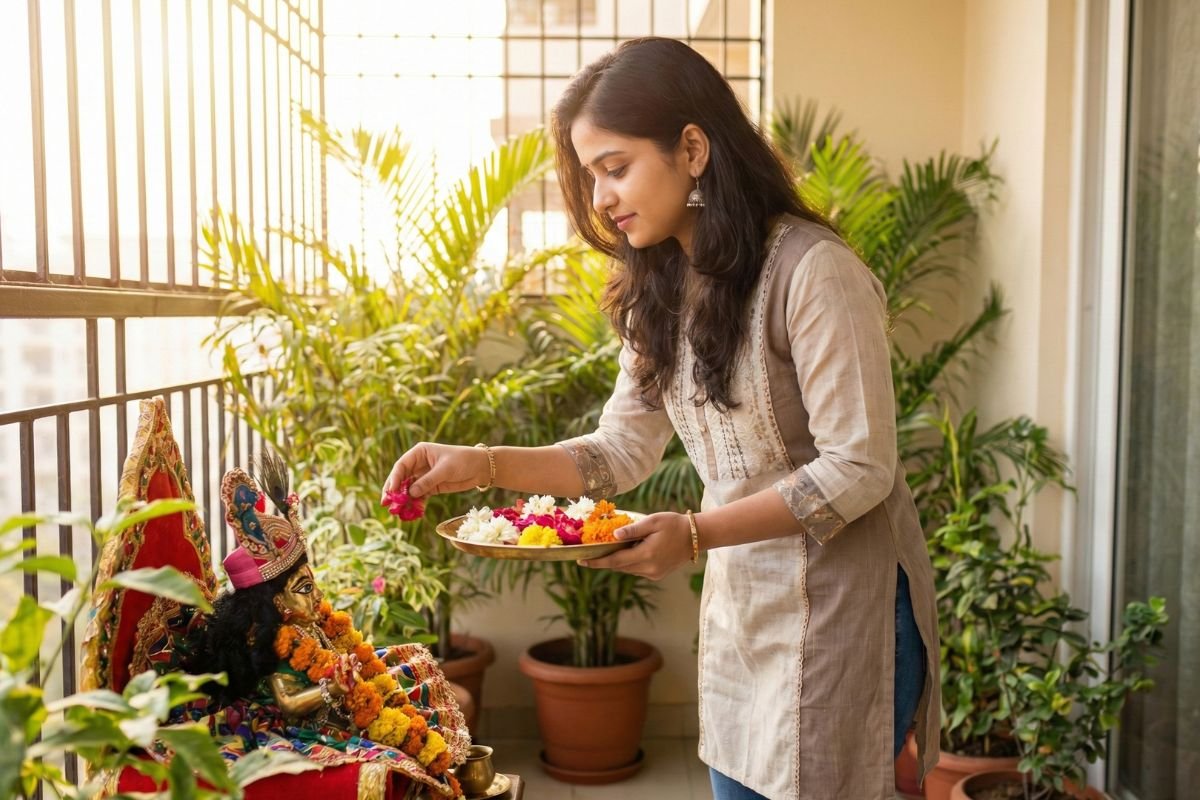
- Offer flowers to Lord Krishna in the morning: This honours the tradition without encouraging excess during Panchak.
- Listen to Krishna Chalisa: This supports measured speech and focused thinking. To make it easier, listen to it on AstroSure.ai’s SoulChants section and explore it for more aartis, vrat Kathas and healing frequency.
- Schedule key actions only during Auspicious Muhurats: This reduces the need for corrections later.
- Keep food light and routine-based: This avoids restlessness and impulsive behaviour.
What not to do on Phulera Dooj
- Do not assume every hour is equally safe.
- Avoid fire-related rituals or large feasts due to Agni Panchak.
- Do not rush marriage or property decisions without clarity.
- Avoid loud celebrations or colour play inside the home.
Phulera Dooj 2026: Simple Puja Method
- Begin the puja after sunrise during Shubha, Labha, or Amrita Choghadiya.
- Clean the puja space and place an image or idol of Radha–Krishna.
- Offer fresh flowers instead of colours; yellow or white flowers work best.
- Light a ghee lamp and incense without rushing the process.
- Offer simple bhog such as mishri, fruits, or poha.
- Chant Om Namo Bhagavate Vasudevaya or Om Radha Krishnaya Namah 11 times.
- Avoid loud music, crowds, or multitasking during the puja. Sit quietly for a minute before ending the ritual and returning to routine.
You might also find this interesting: Ramakrishna Jayanti 2026 significance astrology
Phulera Dooj 2026 helps you complete commitments with clarity and prevents avoidable complications as the Phalgun and Holi period approaches. This clarity comes from correct timing and restraint, not from doing more.
Ask Agastyaa on AstroSure.ai for personal clarity and guidance
Phulera Dooj 2026: Frequently Asked Questions
1. Is Phulera Dooj 2026 really an Abujh Muhurat for all auspicious work?
Phulera Dooj is traditionally considered dosha-free, but in 2026, this belief needs moderation. Agni Panchak is active throughout the day, which means fire-related, rushed, or risky actions should be avoided. The day supports auspicious work only when done calmly and within a favourable Choghadiya.
2. Is Phulera Dooj 2026 suitable for marriage ceremonies?
Yes, Phulera Dooj marriage muhurat 2026 is considered acceptable by many families. However, you should still prefer Shubha, Labha, or Amrita Choghadiya. Avoid Kala and Rahu Kalam periods, especially for rituals involving vows or fire.
3. What should you strictly avoid on Phulera Dooj 2026?
Avoid impulsive commitments, fire-related risks, and assuming the whole day is automatically safe. Agni Panchak increases carelessness-related mistakes. Also, avoid arguments, excess spending, and ignoring muhurat guidance.
Want personalised cosmic guidance?
Download AstroSure and chat with Agastyaa AI for insights tailored to your birth chart.
Download AstroSure