Pongal 2026: What the harvest festival means and how it is celebrated
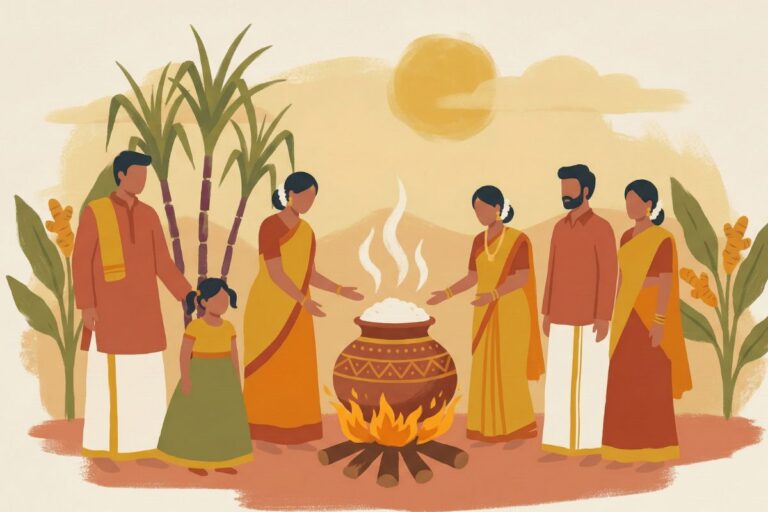
Some festivals arrive like a soft sunrise. Pongal 2026 is one of them. It unfolds gently, the way freshly cooked rice rises in a clay pot. There is warmth in the air, kolam patterns at the doorstep, and the subtle sweetness of jaggery drifting through the home. Pongal is deeply woven with harvest gratitude, sun worship, family time and prosperity rituals that honour the land that feeds us. If you have ever wondered about Pongal meaning, it is this: to overflow. Not just the pot, but the heart as well. In 2026, Pongal will be celebrated from January 13 to Saturday, January 16, with each day adding its own layer of devotion, celebration and cultural beauty.
Pongal 2026 Dates And Key Sankranti Timing
Here is the essential timing for the main festival day:
Thai Pongal: Wednesday, January 14, 2026
Thai Pongal Sankranti Moment: 03:13 pm
Makar Sankranti: Wednesday, January 14, 2026
Thai Pongal is the central day of worship and thanksgiving, dedicated to the Sun God.
Auspicious Puja Timings For Thai Pongal 2026
On Wednesday, January 14, 2026, many devotees can perform puja and prosperity rituals during these periods:
Labha: 07:15 am to 08:34 am
Amrita: 08:34 am to 09:53 am
Shubha: 11:11 am to 12:30 pm
Labha: 04:27 pm to 05:45 pm
Shubha: 07:27 pm to 09:08 pm
These timings help set a calm rhythm for prayer and offerings. You can also check daily Panchang and muhurta insights on AstroSure.ai to plan without worry.
Pongal Meaning and Why is the Festival Celebrated
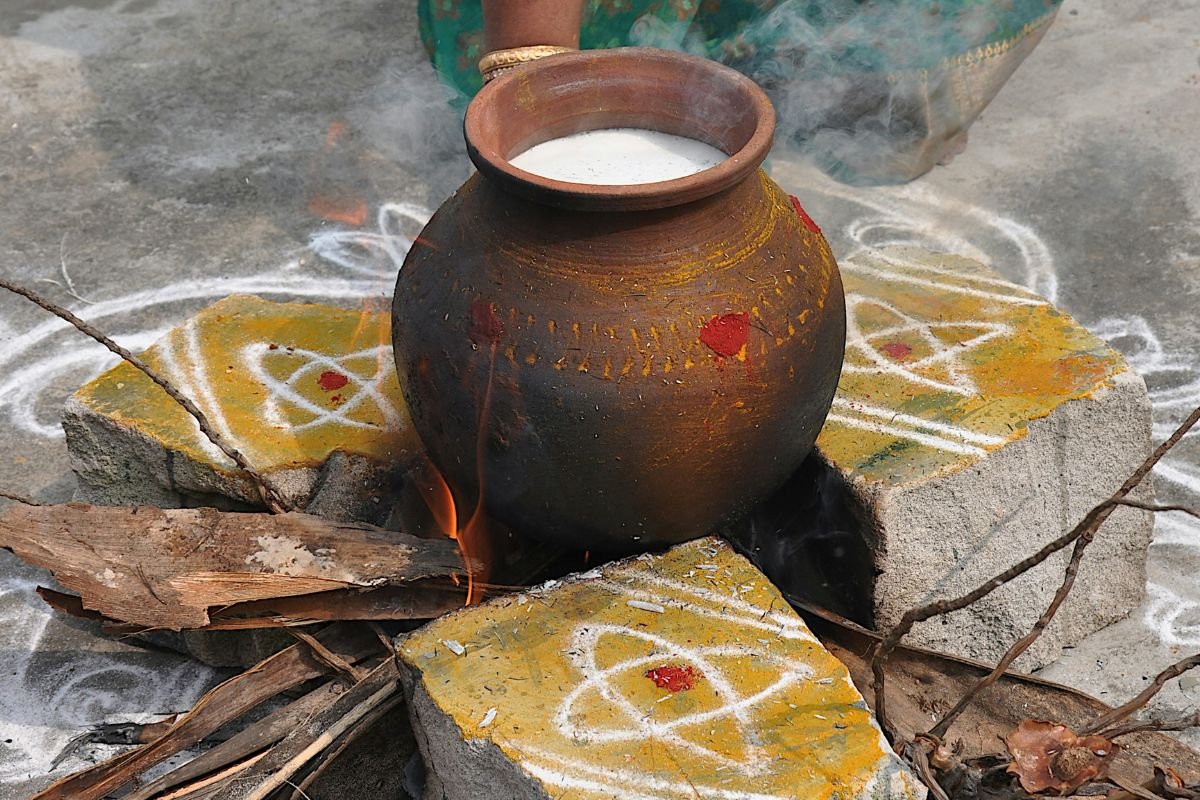
Pongal is a Tamil harvest festival rooted in gratitude. The word itself comes from pongu, meaning to rise or overflow. On Thai Pongal, freshly harvested rice is cooked with milk and jaggery in a new clay pot. When the mixture overflows, families joyfully call out, ‘Pongalo Pongal,’ welcoming abundance into their lives. It honours:
The Sun God (Surya), through sun worshipThe Earth and nature
Cattle, which support farming
The farmers who nurture the crops
Pongal is less about ritual alone and more about a relationship with nature.
The Four Days Of Pongal 2026 Explained Simply
Day 1: Bhogi Pandigai: Renewal And Clearing
Homes are cleaned, old belongings are removed, and intention is set for fresh beginnings.
Day 2: Thai Pongal: The Main Festival Day
The sacred pot is placed facing east. As the rice and milk rise, families celebrate prosperity, gratitude and hope.
Day 3: Mattu Pongal: Honouring Cattle
Cows and bulls are bathed, decorated and fed lovingly, acknowledging their role in farming.
Day 4: Kaanum Pongal: Togetherness And Family Time
Families travel, meet relatives, share meals and spend the day in companionship and rest.
Traditional Pongal Rituals and Their Meaning
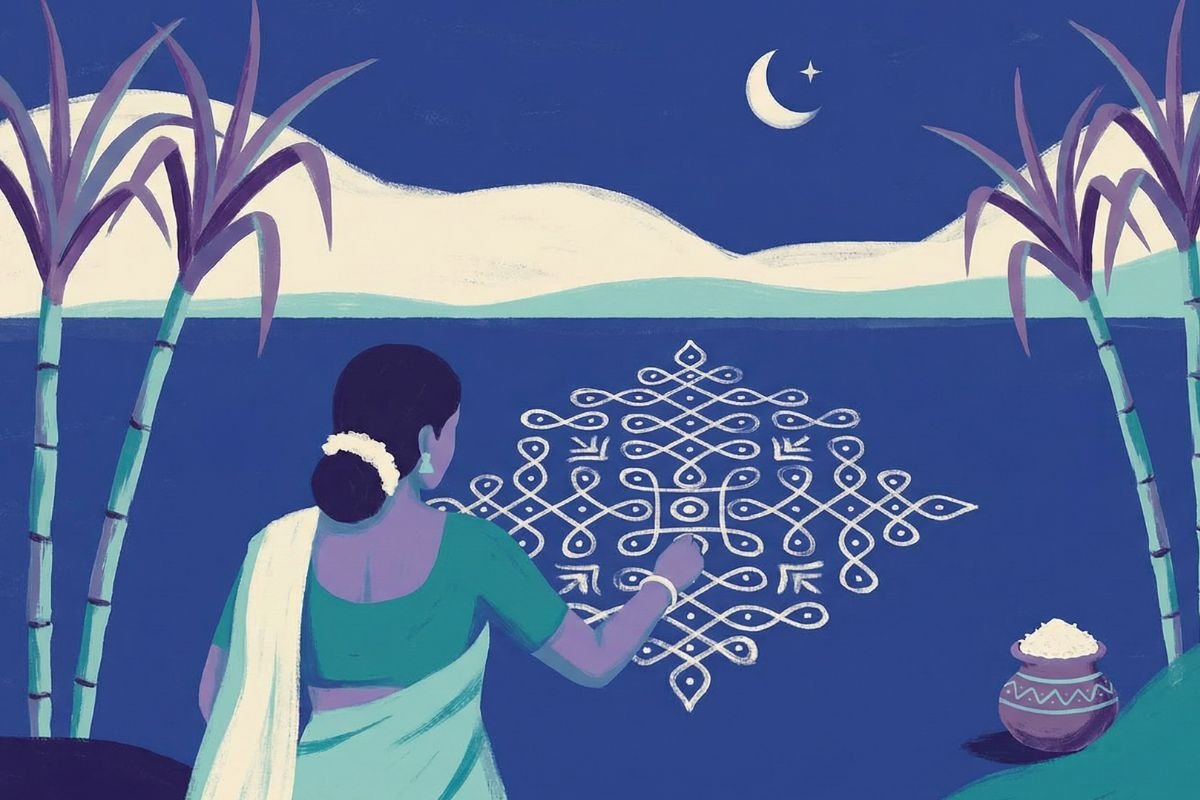
Before we explore how to celebrate at home, here is a simple breakdown of what you will often see during Pongal 2026:
- Cooking Sweet Pongal: Rice, jaggery and milk are cooked together and allowed to overflow as a symbol of abundance and good fortune.
- Drawing Kolam: White rice flour designs decorate the entrance, inviting positivity and harmony.
- Offering to Surya: The first serving of Pongal is offered outdoors to the Sun with prayers of harvest gratitude.
- Decorating Homes: Sugarcane stalks, turmeric plants and flowers add fragrance and meaning.
- Temple Visits: Families seek blessings for health, peace and prosperity.
Each ritual has a purpose. Nothing is random. Everything is intentional.
How To Celebrate Pongal 2026 At Home
You do not need elaborate arrangements to celebrate authentically. Even a small kitchen and a sunny window can hold prayer and gratitude.
- Clean Your Space: Begin the day by clearing clutter and preparing your home for calmness.
- Cook the Pongal Dish: Use rice, milk and jaggery. Let it overflow naturally. Overflow is considered lucky.
- Face The Sun If Possible: As part of sun worship, offer the dish to Surya with folded hands and a grateful heart.
- Decorate Your Entrance: Draw a simple kolam and place flowers around it.
- Share Food on Banana Leaves: Eating together feels grounding and symbolic.
- Add A Spiritual Soundscape: During prayer, you may softly listen to the Maha Mrityunjaya Mantra and the Solar Plexus Chakra frequency (528 Hz). You can listen to these on AstroSure.ai and chant along for clarity, devotion and peace.
- Spend Time With Family: Sit together. Tell stories. Allow the day to stay gentle.
The beauty of Pongal lies in sincerity, not grandeur.
Spiritual And Cultural Heart Of Pongal
Pongal carries something rare: a sense of slow time. It reminds us that life depends on soil, rain, sunlight and human effort working together. It teaches humility in abundance and grace in gratitude. It honours tradition without feeling heavy or formal. And in 2026, the festival remains as relevant as ever in a world that often forgets to pause.
If you enjoy reflecting on timing, rituals and meaning, Agastyaa on AstroSure.ai also offers personal insights and festival-day guidance that sit naturally beside traditions like Pongal, without overpowering them.
Pongal 2026 is a quiet celebration of life’s essentials. Freshly harvested rice. A clay pot. The rising sun. Family gathered together. From Bhogi Pandigai to Kaanum Pongal, each day draws us closer to gratitude, nature and the idea that prosperity begins with respect for the world that sustains us.
Ask Agastyaa on AstroSure.ai for personalised Pongal insights, rituals and timings today
Frequently Asked Questions About Pongal 2026
1. What is Pongal and what is its meaning?
Pongal is a Tamil harvest festival celebrating harvest gratitude, sun worship and prosperity. The word Pongal means “to overflow,” symbolising abundance.
2. When is Pongal 2026?
Pongal will be celebrated from January 13 to January 16, 2026, with Thai Pongal on Wednesday, January 14.
3. Why do people let the Pongal pot overflow?
Overflowing rice and milk represent prosperity, blessings and fullness in life.
4. What are the four days of Pongal called?
They are Bhogi Pandigai, Thai Pongal, Mattu Pongal and Kaanum Pongal.
5. Why is cattle worshipped during Pongal?
On Mattu Pongal, cattle are honoured for their vital role in farming and agriculture.
6. Is Pongal the same as Makar Sankranti?
They fall in the same period, but Pongal is rooted in Tamil culture, while Makar Sankranti is celebrated across other parts of India.
Want personalised cosmic guidance?
Download AstroSure and chat with Agastyaa AI for insights tailored to your birth chart.
Download AstroSure