Sawan 2026: Your Complete Checklist for Puja, Fasting, and Monday Vrats
Sawan 2026 is almost here, which means many devotees are already checking the dates, planning their Monday fasts, and preparing for a month dedicated to Lord Shiva. If you are observing Sawan for the first time, the number of rituals and rules can feel confusing. Even people who follow the tradition every year may want a simple reminder of what to do and when. The good news is that preparing for Sawan does not have to be complicated. A few basic items, a clear understanding of the important dates, and a simple daily routine are enough to begin. Here are the Sawan 2026 dates, key rituals, fasting guidelines, and a practical checklist to help you prepare.
At a Quick Glance
- Sawan does not begin on the same date across India. North Indian states generally begin the month earlier, while Maharashtra, Gujarat and several southern states follow the Amanta calendar.
- You do not need an elaborate puja setup. Clean water, belpatra, a diya, flowers, fruit, and a sincere prayer are enough to begin.
- There is no single Sawan fast that everyone must follow. You can observe a fruit-based fast, eat one simple sattvic meal, or focus on prayer and self-discipline if fasting is not suitable for you.
- The four Monday Vrats are important, but Sawan is not only about food restrictions. Giving up anger, excess, dishonesty, or one habit that is harming you can become a meaningful part of your practice.
When Does Sawan 2026 Begin?
The start date depends entirely on where you live and which regional calendar your family follows. There is no right or wrong calendar; both are established traditions.
Sawan 2026 Dates for North India
In states like Uttar Pradesh, Bihar, Rajasthan, Madhya Pradesh, Punjab, Haryana, Uttarakhand, and Delhi, the month begins first.
Sawan begins: Thursday, July 30, 2026
Sawan ends: Friday, August 28, 2026
Sawan Somwar Vrat Dates: August 3, August 10, August 17, and August 24.
Shravan 2026 Dates for Maharashtra, Gujarat and Southern India
In states like Maharashtra, Gujarat, Goa, Karnataka, Andhra Pradesh, and Telangana, the month begins about two weeks later.
Shravan begins: Thursday, August 13, 2026
Shravan ends: Friday, September 11, 2026
Shravan Somwar Vrat Dates: August 17, August 24, August 31, and September 7.
Always check the calendar followed by your region or family before you begin observing the Monday fasts.
Why Sawan Is Dedicated to Lord Shiva
The story of Samudra Manthan explains why Sawan holds such deep meaning for devotees of Lord Shiva. When a deadly poison emerged during the churning of the cosmic ocean, Shiva consumed it to protect the world. Goddess Parvati stopped the poison in his throat, turning it blue and giving him the name Neelkanth. During Sawan, devotees pour water, milk, and other cooling offerings over the Shivling to honour this sacrifice. Sawan also arrives with the monsoon, when the earth begins to recover after months of heat. The season naturally encourages people to slow down and simplify their lives. Fasting during this month is not only about asking Lord Shiva for blessings. It is also a chance to practise discipline and think about what you may be ready to change or let go of.
Why Are Mondays Important During Sawan?
Monday, called Somvar in Hindi, is connected to the Moon. Lord Shiva is often called Chandrashekhara because he wears the crescent Moon on his head. The Moon represents the mind, our emotions, and our inner habits. Lord Shiva wearing the Moon on his head symbolises control over the restless mind. This gives Monday fasting a deeper purpose. Along with praying for love, marriage, health, or prosperity, devotees practise patience and self-control. The fast becomes a way of reminding the mind that every desire does not need to be fulfilled immediately.
Your Complete Sawan 2026 Puja Checklist
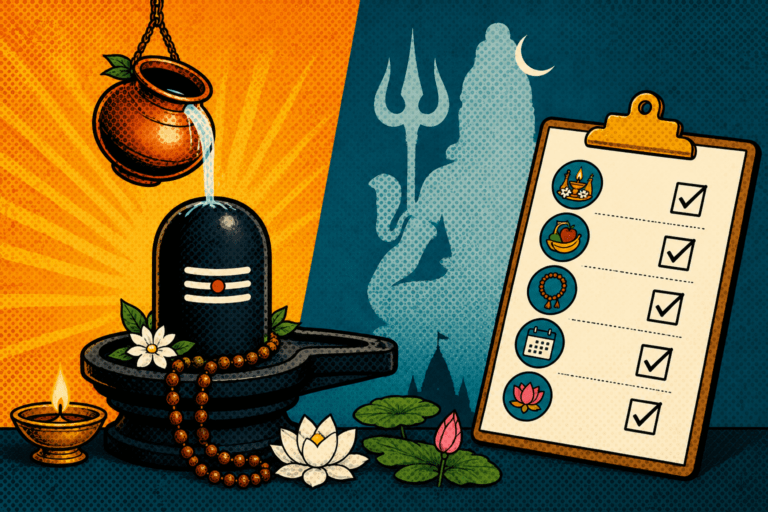
You do not need an elaborate setup to pray. Large quantities are not necessary. Devotion is not measured by how much milk, honey, or water is poured over the Shivling. Here are the basic items to get:
- A clean image or Shivling
- Clean water and Gangajal
- A diya, cotton wicks, and ghee or oil
- Incense and fresh flowers (white flowers are ideal)
- Belpatra (bel leaves)
- Sandalwood paste
- Akshat (unbroken rice)
- Seasonal fruits and a clean cloth
If you plan to perform an Abhishek, you might also want small amounts of milk, curd, honey, ghee, and sugar to make Panchamrit.
What to Offer (and What to Avoid)
Offerings You Can Make to Lord Shiva:
Water is the simplest offering you can make to Lord Shiva. It represents purity and is believed to bring calmness. Belpatra is also considered sacred. Choose clean leaves with three leaflets if possible, wash them gently, and offer them without worrying about small imperfections. You can also offer sandalwood paste, which is traditionally associated with cooling, and fresh fruit as naivedya. The fruit can later be shared as prasad.
Note: Dhatura and akanda flowers are commonly offered, but dhatura is toxic. Handle it carefully and keep it away from children and pets.
Items Traditionally Avoided in Shiva Puja:
Traditions can differ, but many families do not offer Ketaki flowers, Tulsi leaves, or broken rice to Lord Shiva. Kumkum and sindoor are also usually not applied directly to the Shivling. Instead, cooling offerings such as water and sandalwood paste are commonly used. These customs may change depending on the temple, region, or family tradition. If your family follows a particular Sawan practice, you can continue with the customs passed down in your home or follow the guidance of your family priest.
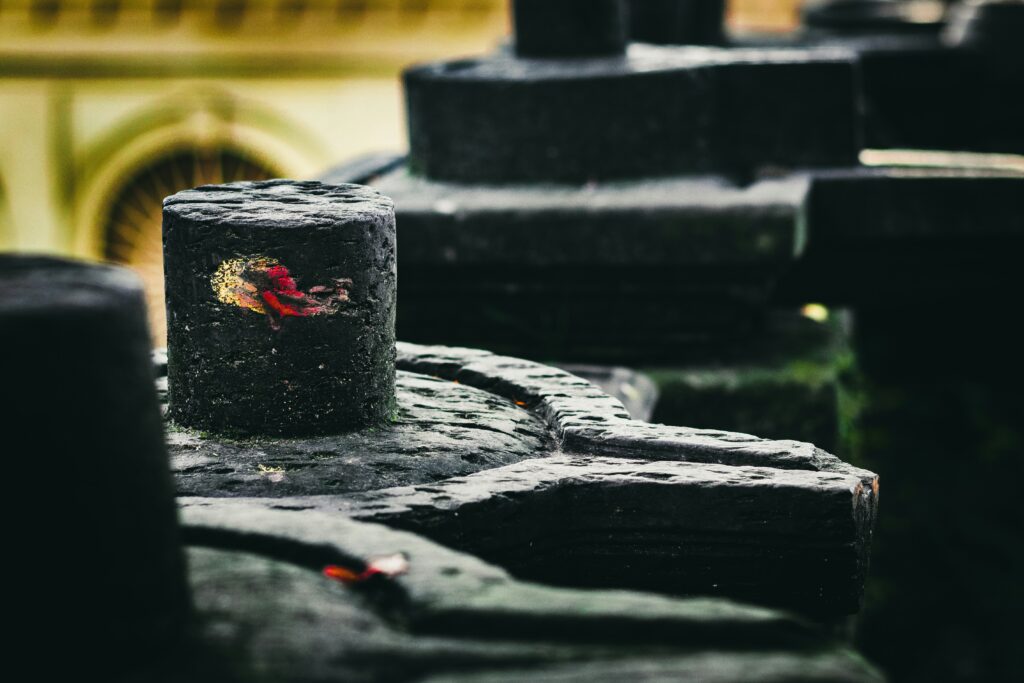
Sawan Somwar Puja Vidhi: A Simple Step-by-Step Guide
- Start Clean: Wake up early, bathe, wear clean clothes, and tidy your puja area. This sets your intention for the day.
- Take a Sankalp: Sit quietly and state why you are fasting. It can be for family well-being, peace of mind, or just simple gratitude. A sincere thought is enough.
- Light the Diya: Light your lamp and incense to bring awareness to the space.
- Perform Jalabhishek: Slowly pour clean water over the Shivling while chanting Om Namah Shivaya. If you use Panchamrit, follow it with a final pour of clean water.
- Make Your Offerings: Offer the belpatra, sandalwood, flowers, and fruit.
- Chant: Recite Om Namah Shivaya 11, 21, or 108 times. The number is less important than your consistency and attention.
- Read the Katha: Many people read or listen to the Sawan Somwar Vrat Katha in the evening.
- Aarti and Prasad: Finish with the Shiva Aarti and share the fruit with your family.
Sawan Somwar Fasting Rules: What You Can Eat
There is no single fasting method that everyone has to follow. A vrat is meant to deepen your devotion and help you practise self-control, not make you suffer. Some devotees observe a strict Nirjala Vrat without food or water, while others observe a Phalahar Vrat, eating only fruits, nuts, milk, and coconut water. Many people simply eat one sattvic vegetarian meal in the evening. If you are eating vrat-friendly foods, you can include makhana, sabudana, sama rice, potatoes, sweet potatoes, and rock salt (sendha namak). Avoid regular table salt, wheat, rice, lentils, onion, garlic, and alcohol. Pregnant women, the elderly, or anyone managing a health condition should skip the strict dietary rules entirely. You can observe the day perfectly well through prayer, charity, or just eating simple vegetarian meals.
Sawan 2026 Calendar for North India
- Sawan begins: July 30, 2026
- First Somwar: August 3, 2026
- Second Somwar & Som Pradosh Vrat: August 10, 2026
- Sawan Shivaratri: August 11, 2026
- Third Somwar & Nag Panchami: August 17, 2026
- Fourth Somwar: August 24, 2026
- Sawan ends: August 28, 2026
The Real Purpose of Sawan
Sawan goes beyond the four Monday fasts. It is also a chance to pay closer attention to the way you live. Giving up anger, dishonesty, excess, or a habit that is harming you can be just as meaningful as adding another offering to your puja plate. You do not have to observe the strictest fast or perform an elaborate puja to show your devotion. The month encourages the qualities associated with Lord Shiva: simplicity, self-control, inner strength, and the ability to remain calm during uncertain times. You may observe all four Sawan Somwar fasts, offer water to the Shivling, or choose one habit you genuinely want to change. What matters is following it with sincerity and consistency. Keep the practice simple enough to continue, and allow it to bring a little more clarity and awareness into your everyday life.
Not sure exactly what you should pray for this Sawan?
Ask Agastyaa exactly which specific area of your busy life heavily needs Lord Shiva’s beautiful guidance. Get 4 questions free on AstroSure.
FAQ
1. Can you observe Sawan if your family does not traditionally follow it?
Yes. You can begin with a simple practice such as offering water to Lord Shiva, chanting Om Namah Shivaya, visiting a Shiva temple, or observing one Monday Vrat. You do not need an elaborate family tradition to pray during Sawan.
2. What should you do if you miss one Sawan Somwar Vrat?
Missing one Monday does not cancel the devotion of the entire month. Continue with the next Somwar, or observe the day through prayer, mantra chanting, charity, or a simple sattvic meal. Sawan is not a test where one missed ritual removes the value of everything else.
3. Can you observe Sawan while travelling or working a full day?
Yes. Keep the practice realistic. You can chant during a quiet moment, offer water before leaving home, listen to the Sawan Somwar Katha later in the day, or perform a short puja after returning. A simple routine followed sincerely is better than an elaborate one you cannot maintain.
4. Can unmarried men and women both keep the Sawan Somwar Vrat?
Yes. The fast is not limited to unmarried women seeking marriage. Men and women observe Sawan Somwar for peace of mind, family well-being, health, spiritual discipline, marriage, prosperity, or devotion to Lord Shiva.
5. What can you do during Sawan if you are unable to fast?
You can offer water to the Shivling, chant Om Namah Shivaya, read about Lord Shiva, donate food, help someone in need, or give up one harmful habit for the month. Fasting is one form of devotion, not the only one.
Want personalised cosmic guidance?
Download AstroSure and chat with Agastyaa AI for insights tailored to your birth chart.
Download AstroSure