What Not to Do on Sheetala Ashtami: A Complete Vedic Guide (2026)
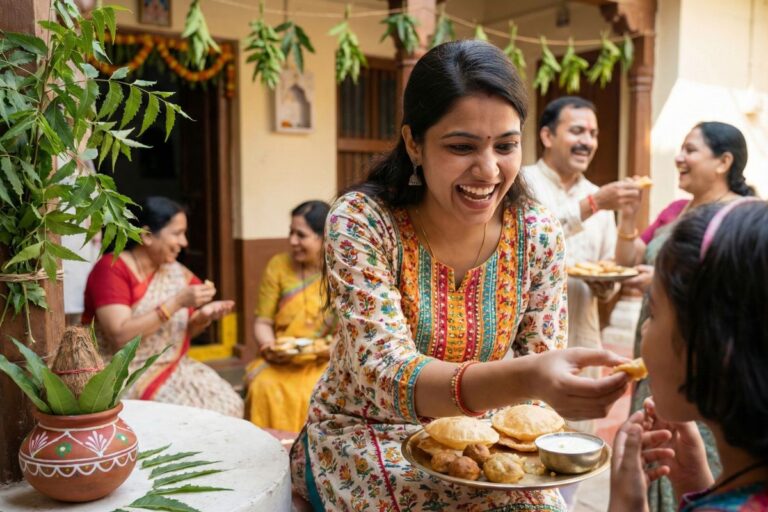
If you walk into a home that celebrates Sheetala Ashtami, the first thing you notice is the kitchen. It is completely silent. The stove is cold. There is no smell of morning chai brewing or fresh parathas on the tava. Instead, the family is eating food cooked the night before: sweet rice, puris, or perhaps a simple vegetable dish. It feels unusual, almost like time has paused. But this isn’t just a quirky ritual. It is a very specific, health-based tradition designed for the changing seasons. Let us look at what this day is actually asking of you, and why.
When Is Sheetala Ashtami 2026?
This year, Sheetala Ashtami falls on Wednesday, March 11, 2026. In the Vedic calendar, it is observed on the eighth day (Ashtami) of the Krishna Paksha in the month of Chaitra. This is exactly eight days after Holi. The timing is crucial because it marks the precise window where winter is fully exiting and the harsh heat of summer is beginning to set in.
Also read: When is Ranga Panchami 2026
Who is Sheetala Mata? (And Why Does She Matter?)
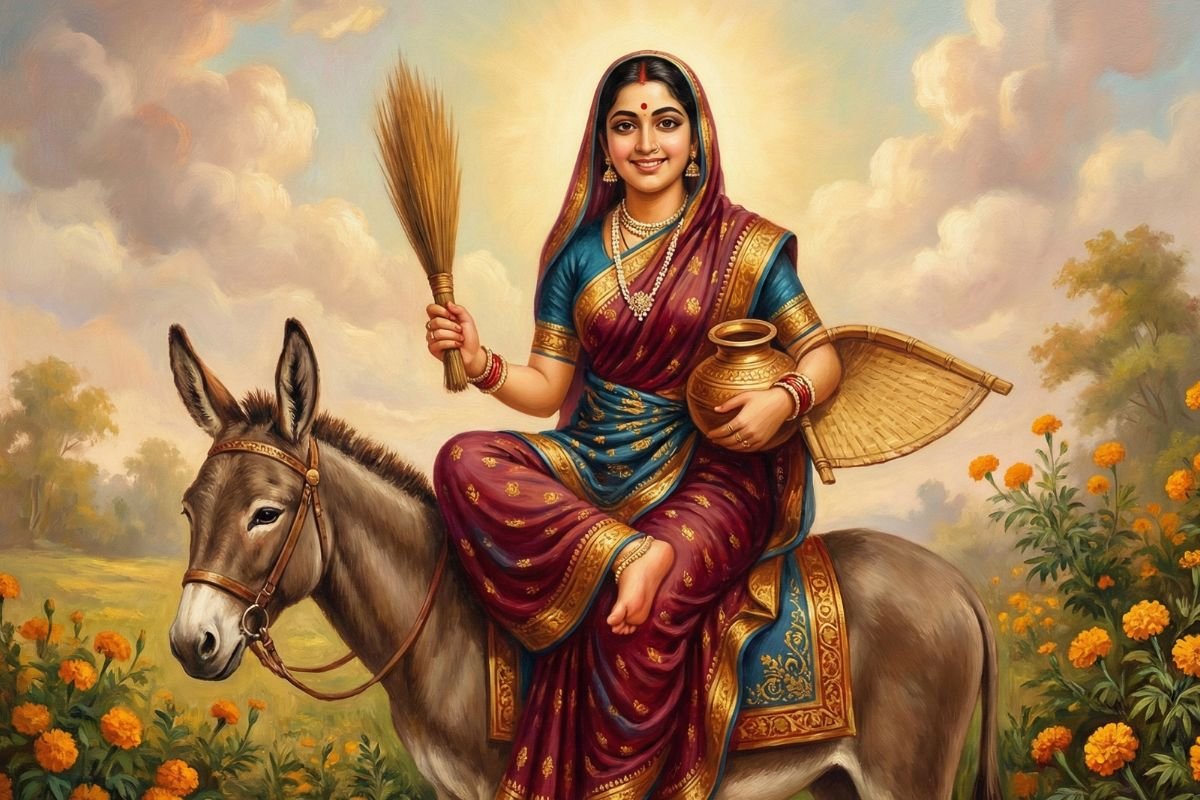
You might have seen her image: a goddess riding a donkey, holding a broom and a pot of cold water. Her name, Sheetala, literally means ‘the one who cools.’ She is the Vedic symbol for the body’s cooling mechanism. She is associated with fevers, rashes, and heat-borne diseases like smallpox or measles. Her ‘broom’ sweeps away illness, and her ‘cold water’ soothes inflammation. When you understand that she represents the body’s need to regulate temperature during a seasonal shift, every ritual on this day suddenly makes perfect sense.
What Not To Do On Sheetala Ashtami (And The Real Reason Why)
On Sheetala Ashtami, the list of don’ts is more important than the dos. Here is the logic behind the restrictions.
1. Do Not Light the Stove or Cook Fresh Food: This is the most famous rule of the day, often called Basoda (from bassi, meaning stale or cold).
The Vedic Reason: As the season shifts from cold to hot, your digestive system becomes sluggish and sensitive. The tradition asks you to give your internal fire (Agni) a rest. By eating simple, cold food cooked the night before, you are essentially fasting from heat, both external fire and internal digestion heat. It is a cooling break for your gut.
2. Do Not Eat Hot or Spicy Food: You won’t find steaming curries or heavy spices on a Sheetala Ashtami plate.
The Vedic Reason: Spice generates internal heat (Pitta). Since Sheetala Mata is the goddess of cooling and protection against fever, eating heat-inducing foods goes directly against the day’s purpose. The menu is intentionally bland, sweet, and cool to soothe the body’s internal temperature.
3. Do Not Take Hot Water Baths: In many households, using hot water for bathing is strictly avoided on this day.
The Vedic Reason: Again, the theme is cooling. Bathing with cold or room-temperature water aligns your body with the goddess’s energy. It is believed to build immunity against the coming summer heat and keep the skin resilient against rashes and infections.
4. Do Not Engage in Arguments or Anger: This is often overlooked, but elders will tell you to keep your voice low and your temper check on this day.
The Vedic Reason: Anger creates ‘heat’ in the mind and body. If the day is dedicated to Sheetala (coolness), then mental agitation is a violation of that energy. The goal is to keep the mind as cool as the kitchen stove.
The Sheetala Ashtami Puja
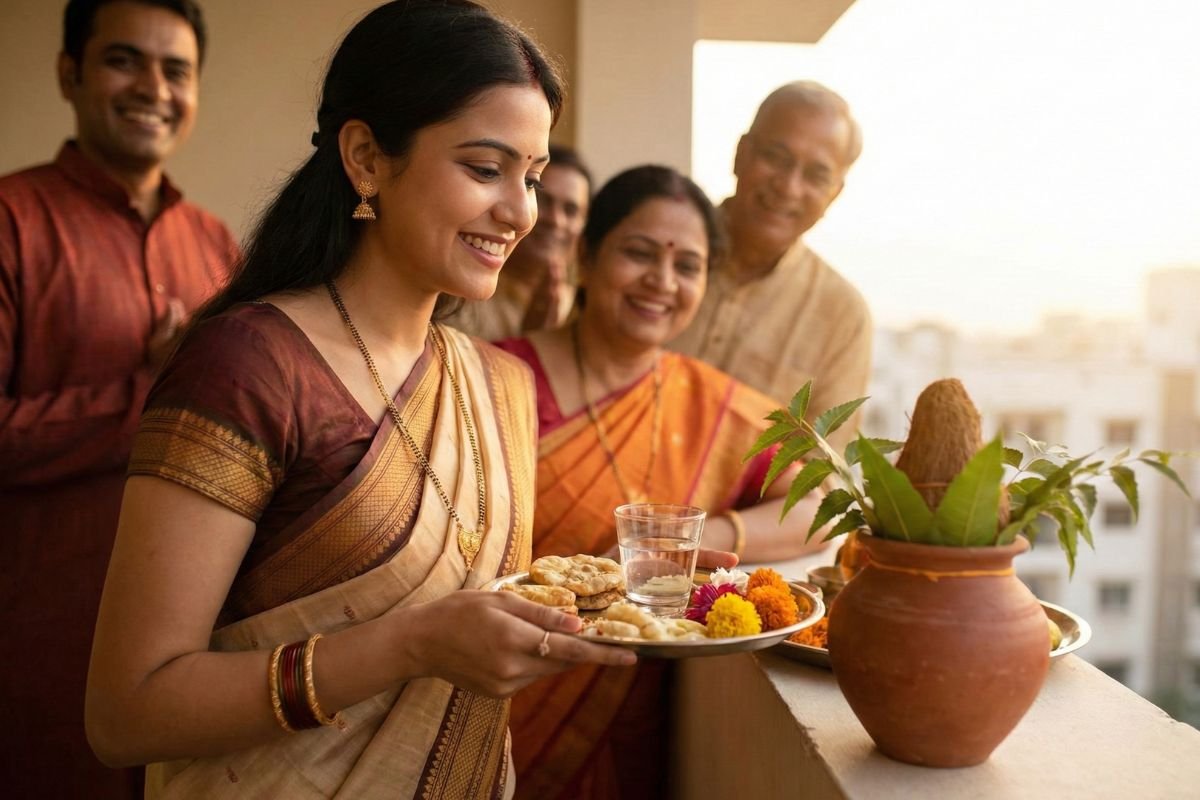
The puja is simple and grounding. It usually happens in the morning. Families offer the cold food prepared the previous day, often sweet rice (Oliya) or curd-based dishes, to the goddess. The offerings are specific: neem leaves (a natural antibiotic), turmeric (an anti-inflammatory), and cold water. You aren’t just praying; you are acknowledging the medicinal tools that will protect your health in the coming season.
Best Puja Timings for March 11, 2026:
- 06:36 AM to 08:05 AM (Labha – Gain)
- 08:05 AM to 09:33 AM (Amrita – Best)
- 11:02 AM to 12:31 PM (Shubha – Good)
- 04:58 PM to 06:27 PM (Labha – Gain)
- 07:58 PM to 09:29 PM (Shubha – Good)
Also read: Bhalachandra Sankashti 2026: The Ganesha Fast That Can Remove Career Obstacles
What This Day Is Actually Asking of You
If you look past the rituals, Sheetala Ashtami is asking you to hit the brakes. We live in a world of constant heat: rushing, cooking, consuming, achieving. This festival is a mandatory pause button. It asks you to prepare ahead so you can do nothing on the day itself. It asks you to eat simply. It asks you to let your body acclimate to the changing season without forcing it. Even if you don’t follow every rule, just taking one day to eat light, cold meals and keep your temper cool is a powerful way to reset your system for the summer.
Want to know which festivals are most significant for you personally this year? Agastyaa can tell you based on your chart
Want personalised cosmic guidance?
Download AstroSure and chat with Agastyaa AI for insights tailored to your birth chart.
Download AstroSure