Uttarayan 2026: Meaning, date and spiritual significance explained
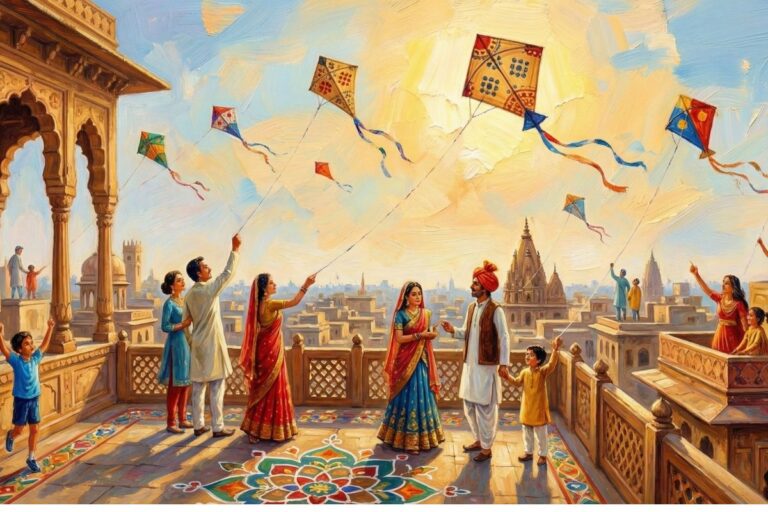
Uttarayan is a festival that feels like a turning of the page. As the Sun begins its sun northward journey, the air feels lighter, rooftops fill with colourful kites and homes across Gujarat and beyond welcome new warmth, new hope and a quiet spiritual shift. Uttarayan meaning goes far beyond a single celebration. It is about movement from darkness to light, heaviness to clarity, and routine to dharmic growth. For 2026, Uttarayan falls on January 14, with many regions also observing Makar Sankranti, Pongal and Magh Bihu, all rooted in gratitude for the harvest and reverence for the life-giving Sun.
Uttarayan 2026 Date and Sankranti Moment
Uttarayan 2026 will be observed on Wednesday, January 14, 2026.
According to the Panchang, the Uttarayan Sankranti Moment occurs at 03:13 pm on the same day, marking the sacred transition of the Sun into Capricorn.
Auspicious Time for Uttarayan Worship and Charity
If you plan to pray, meditate or offer charity, these Choghadiya periods on January 14, 2026, are considered especially supportive:
Labha (Gain): 07:15 am to 08:34 am.
Amrita (Best): 08:34 am to 09:53 am.
Shubha (Good): 11:11 am to 12:30 pm.
Labha (Gain): 04:27 pm to 05:45 pm.
These windows are often chosen for Surya Arghya, meaningful donations, bathing rituals, sacred chanting and meditation.
Uttarayan Meaning: The Sacred Northward Turning of the Sun
In simple words, Uttarayan marks the period when the Sun begins its symbolic movement towards the north. Spiritually, this sun’s northward journey represents:
- A shift toward consciousness and clarity
- Hope after long periods of stagnation
- Renewal of life force
- Awakening to purpose and self-reflection
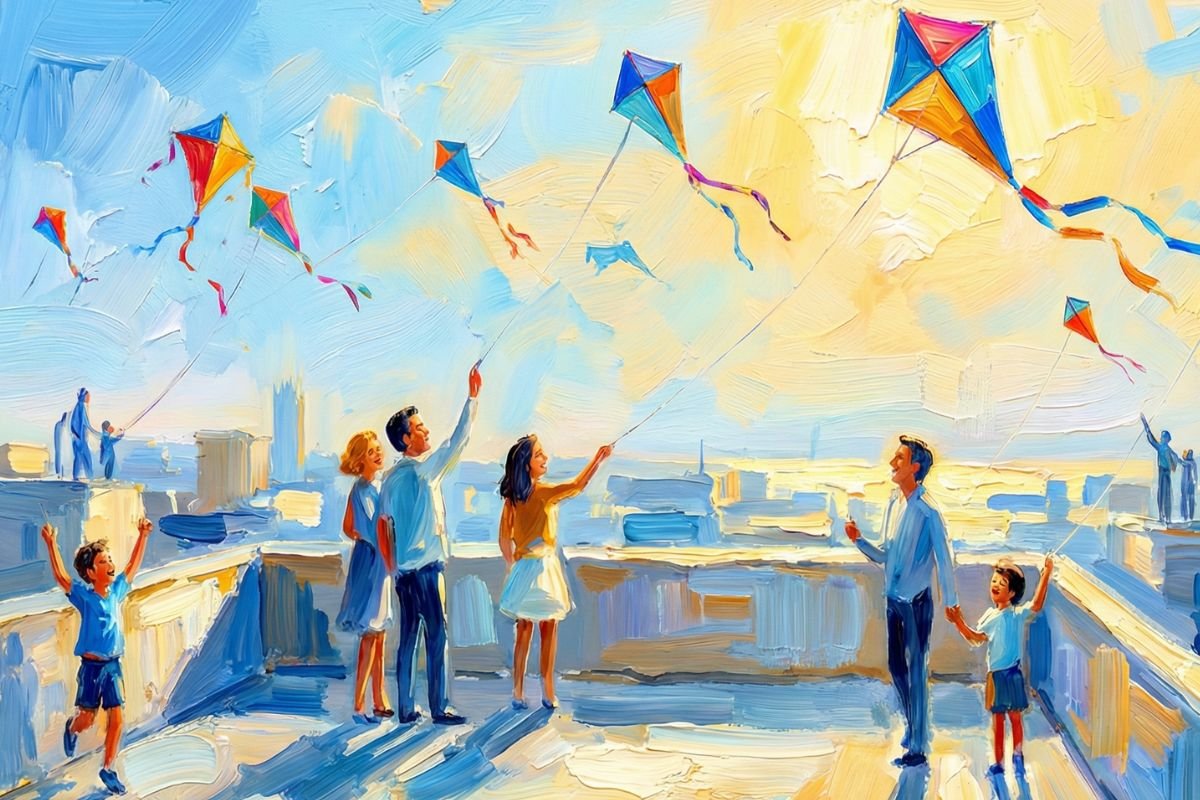
This is why ancient texts describe Uttarayan as the ‘day of the devas’. The story of Bhishma Pitamah, who waited for Uttarayan before leaving his body, reflects the belief that this time supports liberation, higher awareness and spiritual shift. In Gujarat, especially, the festival is woven deeply into cultural identity. Terraces turn into joyful gathering spaces. Kites rise into bright blue skies. Meals like undhiyu, til chikki and jalebi are shared with warmth. The mood is light but meaningful.
Why We Fly Kites During Uttarayan
Look up during Uttarayan, and the symbolism becomes obvious. Kites are not just colourful paper creations. They express prayers, freedom and optimism. They remind us:
- That human spirit always wants to rise higher.
- That lightness returns after heaviness.
- That joy is a form of devotion, too.
And yes, the friendly competition of cutting other kites, complete with the classic call of ‘Kai Po Che!’, adds playfulness to the sacredness of the day.
Traditional Uttarayan Rituals and Their Deeper Meaning
Across Gujarat and other regions, certain rituals hold a special place during Uttarayan 2026. Here is how many households observe the day:
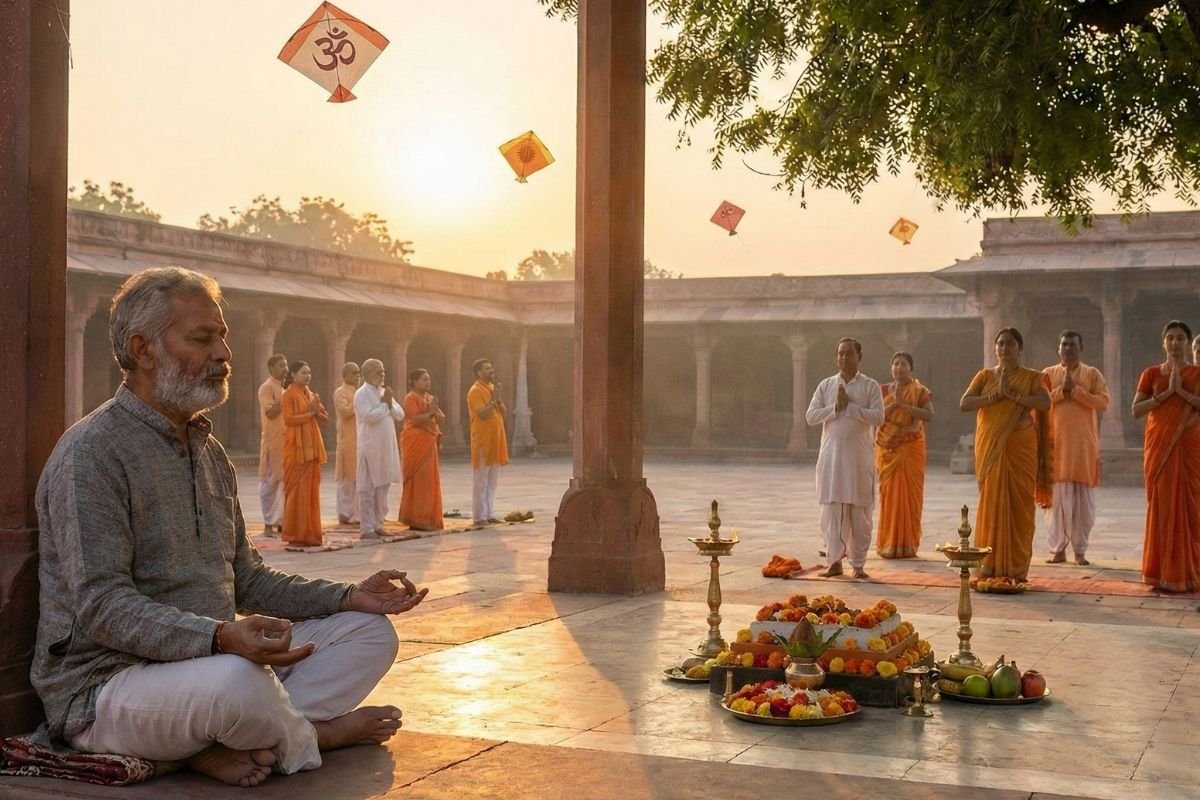
- People begin the morning by bathing and facing the rising Sun, offering Arghya with water, black sesame, flowers and gratitude.
- Devotees chant or sit quietly in the sunlight to welcome positivity, strength, clarity and courage.
- Families worship Surya Dev and Lord Vishnu, seeking protection, good health and dharmic growth.
- Charity becomes a heartfelt act, with many donating sesame, jaggery, blankets, grains, clothes and food.
- People feast together on seasonal dishes that nourish body and spirit, symbolising abundance and sharing.
To gently deepen the devotional space, you can play Suryadev Aarti and Gayatri Aarti from the SoulChants collection on AstroSure.ai. These create a calm, meditative atmosphere and help the mind soften into prayer.
Uttarayan in Gujarat: Culture, Colour and Community
In Gujarat, Uttarayan is lived with a full heart. It stretches across two days:
Day 1: Uttarayan
Day 2: Vasi Uttarayan
The International Kite Festival adds global magic to the skies of Ahmedabad and other cities. But at its core, Uttarayan is still about something simple: people gathering, being together and letting happiness float like a kite in winter air. Food plays a meaningful role, too. Undhiyu keeps the body warm and balanced. Chikki, til laddoos, and groundnut sweets symbolise sweetness in relationships and strength in spirit.
The Spiritual Heart of Uttarayan
Beyond the festive mood, Uttarayan carries deep dharmic growth symbolism. It marks the start of an auspicious half-year believed to support:
- New beginnings.
- Spiritual practice.
- Blessings for marriages and sacred ceremonies.
- Positive transformation and inward reflection.
It also reminds us to live like the Sun itself: steady, purposeful and generous with light.
There is a quiet lesson here. When life feels heavy, it does not stay that way forever. There is always a turn toward brightness. And we are invited to move with it.
Mindful Reflection During Uttarayana
If Uttarayan had a whisper, it might sound like this:
Where in your life are you ready for more light?
It may be in your thoughts.
It may be in your relationships.
It may be in your faith.
Because the sun’s northward journey is not only happening in the sky. It is also an inner movement. A quiet spiritual shift from heaviness to clarity, from doubt to direction, from standing still to dharmic growth. And when the kites rise, maybe your hopes rise a little, too.
If you want to understand and delve deep into festival timings, astrology and gentle guidance without overwhelm, AstroSure.ai offers thoughtful daily reflections and panchang insights, rooted in tradition and calm clarity.
Uttarayan 2026 is a spiritual shift. It is a reminder that every journey toward light begins with one quiet inner movement. As the Sun turns north, we too are invited to turn toward hope, renewal, gratitude and conscious living. May your skies be bright, your heart feel light, and your path forward be warmed by faith and clarity.
Ask Agastyaa on AstroSure.ai to understand Uttarayan blessings gently
Want personalised cosmic guidance?
Download AstroSure and chat with Agastyaa AI for insights tailored to your birth chart.
Download AstroSure