Vedic Astrology vs Western Astrology: 5 key differences explained
Astrology is often described as both an art and a science: a blend of mathematical precision and spiritual insight. Yet, within this universal language of the stars, two powerful schools of thought have emerged: Vedic astrology and Western astrology. These two systems, though born under the same sky, interpret the heavens in strikingly different ways. The distinction between them is not unlike modern medicine and Ayurveda: both aim to heal, but through different paths. Similarly, Vedic and Western astrology use their own tools, calendars, and philosophies to decode destiny. Let us explore the main differences between the two, understand their origins, and see how both can illuminate our cosmic stories in their own beautiful ways.
The Signs of the Zodiac
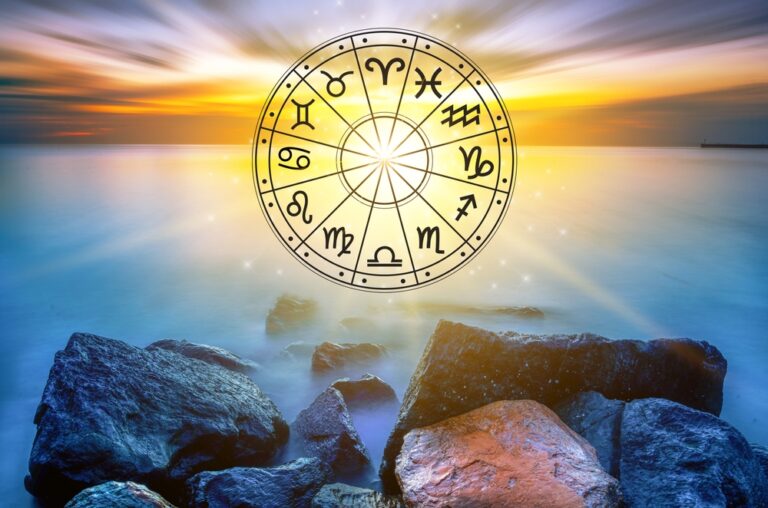
Both systems work with twelve zodiac signs, but the way they calculate and interpret them is different. Western astrology uses the tropical zodiac, which is aligned with the Sun and Earth’s seasons. In contrast, Vedic astrology follows the sidereal zodiac, which aligns with the actual positions of the constellations in the sky.
This means that while the names of the twelve signs are the same, Aries to Pisces, the dates can vary slightly. For example, you might identify as a Gemini in Western astrology but turn out to be a Taurus in Vedic astrology. Western astrology focuses on the Sun sign, representing your personality and conscious self. Vedic astrology, on the other hand, focuses on the Moon sign, which reflects your inner emotions and subconscious mind. This lunar-based system makes Vedic astrology more dynamic and emotionally insightful.
The Role of Nakshatras in Vedic Astrology
One of the most profound differences between the two systems is the use of Nakshatras, or star constellations, in Vedic astrology. Western astrology does not use these lunar mansions at all. In Vedic astrology, the Moon travels through 27 Nakshatras (sometimes considered 28) in its monthly journey around Earth. Each Nakshatra covers about 13 degrees and 20 minutes of the zodiac and represents a unique energy field that shapes your emotional, spiritual, and mental nature.
The Nakshatra you are born under, determined by the Moon’s position at your time of birth, becomes your birth star. It is believed to reveal your inherent talents, strengths, and karmic lessons. In this way, Nakshatras add a deeply personal and psychological layer to the Vedic chart, explaining why two people with the same zodiac sign can still have vastly different personalities.
Astrology Chart Interpretations
The birth charts, or horoscopes, in Vedic and Western astrology are visually and conceptually different.
Western astrology uses a circular chart, divided into twelve pie-like slices that represent the twelve houses. The innermost ring shows the houses, the middle ring shows the planets, and the outer ring represents the zodiac signs. It reads like a wheel of energy revolving around the self.
Vedic astrology, meanwhile, presents its birth chart as a square or rectangular grid, also divided into twelve houses. Each box represents a specific area of life: career, family, relationships, wealth, and so on. Planetary positions are mapped within these boxes based on precise astronomical calculations.
The Vedic system is more detail-oriented, often incorporating divisional charts that provide insight into different aspects of life, such as marriage, education, or spiritual growth.
Different Systems of Calculation
The difference between Vedic and Western astrology also lies in how time is measured.
Western astrology calculates time using the Earth’s rotation relative to the Sun, following a 24-hour day. Vedic astrology, however, considers the precession of the equinoxes: the gradual shift in the Earth’s axis over time. This adjustment, though small, creates a gap of about 24 degrees between the two systems, which can change the position of your sign completely. In essence, Western astrology captures psychological tendencies based on the Sun’s position, while Vedic astrology tracks the karmic and spiritual blueprint of your soul using the actual sky.
Planets and Their Influence
Both systems recognise the seven classical planets visible to the naked eye: the Sun, Moon, Mercury, Venus, Mars, Jupiter, and Saturn. However, their approaches diverge after that.
Western astrology includes the three outer planets discovered in modern times, Uranus, Neptune, and Pluto, linking them with transformation, dreams, and rebirth.
Vedic astrology instead focuses on two shadow planets, Rahu and Ketu, the lunar nodes created by the intersection of the Moon’s and Earth’s orbits. Though invisible, they hold immense karmic significance and are said to govern fate, illusion, and spiritual evolution.
These nodes represent where we come from and where we are going, the axis of karma that shapes our life lessons.
Philosophical Differences
Vedic astrology is deeply rooted in Indian philosophy and the Vedas. It integrates ideas of karma, dharma, and reincarnation, suggesting that our current life is influenced by past actions and choices. It views astrology as a spiritual roadmap guiding us toward balance and liberation.
Western astrology, on the other hand, emerged from ancient Greece and Rome, grounded in human psychology and individual will. It focuses on personality, potential, and free will, encouraging self-awareness and emotional growth rather than karmic correction.
Which System Should You Follow?
There is no right or wrong choice. Both systems are valid and insightful; they simply speak different cosmic languages. If you seek deeper karmic insights or want to understand life purpose and timing, Vedic astrology may resonate more. If you want to explore personality, emotions, and creative potential, Western astrology might be your tool. Many modern astrologers even combine both systems for a holistic understanding of self.
Vedic and Western astrology are like two mirrors reflecting the same sky — one through timeless karma, the other through conscious self-discovery. Each offers wisdom and guidance for a different part of your journey.
Ask Agastyaa. Let AstroSure.ai realign your stars, karma, and cosmic truth
Frequently Asked Questions
1. Which is more accurate: Vedic or Western astrology?
Both systems have value. Vedic astrology is often considered more detailed because it includes planetary motion, constellations, and timing systems. Western astrology is more personality-based and psychological, focusing on self-expression and inner awareness.
2. Are there any similarities between them?
Yes. Both use the twelve zodiac signs and consider the Ascendant (Rising Sign) as crucial. The Ascendant represents how you present yourself to the world and begins the layout of your birth chart in both systems.
3. What philosophies shape these systems?
Vedic astrology is influenced by the Vedas and the concept of karma and reincarnation. Western astrology draws from ancient Greek and Hellenistic thought, emphasising individuality and the interplay of psyche and cosmos.
4. Can someone use both systems together?
Absolutely. Many people find meaning in blending both. Your Western chart can reveal how you feel and act, while your Vedic chart can explain why those patterns exist and where they are leading you karmically.
Want personalised cosmic guidance?
Download AstroSure and chat with Agastyaa AI for insights tailored to your birth chart.
Download AstroSure