The spiritual reason salt protects homes, energy, and emotional balance
Have you ever walked into a room and instantly felt uneasy, restless, or drained for no clear reason, or noticed how a day that began calmly suddenly turned heavy, as if something invisible shifted around you? In moments like these, many of us have heard a familiar suggestion from elders, ‘*Thoda namak le ke hawa mein ghumao*.’ You may have smiled politely and brushed it aside, but what if salt was quietly protecting you all along? Across Indian homes, salt has never been just a kitchen ingredient. It has been a spiritual safeguard, a cleanser of unseen heaviness, and a grounding force used long before we had words like energy or aura, which is why something so ordinary carries such extraordinary power.
Why Salt Is Considered Sacred in Indian Traditions

Salt holds a unique place in Indian spiritual systems because it interacts with energy in a deeply grounding way.
- It is not only a flavour enhancer.
- It is believed to be an energy purifier.
- It absorbs negativity rather than amplifying it.
- It helps stabilise emotional and physical imbalance.
- It is associated with protection and healing.
In Vastu Shastra, Ayurveda, and folk rituals across India, salt has been used to cleanse homes, calm disturbed minds, and reset spaces that feel stagnant. It is simple, accessible, and deeply symbolic. Salt reminds us that protection does not need to be complex to be effective.
The Spiritual Benefits of Salt
Salt works quietly, without drama. Its strength lies in absorption, not confrontation.
- Energy Cleansing: Salt is believed to draw out unwanted energy from spaces, objects, and even people. This is why salt bowls are often placed in corners of homes that feel heavy or tense.
- Aura Protection: Rock salt or sea salt baths are traditionally used to cleanse the aura, especially after emotional stress, arguments, or periods of mental overload.
- Removing Evil Eye or Buri Nazar: One of the most common Indian practices involves rotating salt around a person and disposing of it in fire or running water. Symbolically, this transfers negativity away from the body.
- Chakra Stabilisation: Salt water is believed to ground scattered emotions and bring balance when you feel overwhelmed or emotionally flooded.
- Amplifying Intentions: When used alongside prayer or focused intention, salt is believed to anchor affirmations into the physical realm, making them feel more real and grounded.
The Healing Benefits of Salt
Beyond spirituality, salt has long been valued for its physical healing properties.
- Reducing Stress and Fatigue: Warm salt water baths help relax muscles and calm the nervous system, especially after mentally exhausting days.
- Easing Headaches and Improving Sleep: Rock salt placed near the bed is traditionally believed to absorb restlessness and ease stress-related headaches or disturbed sleep.
- Supporting Skin Health: Ayurvedic salt scrubs are used to remove toxins, improve circulation, and refresh the skin naturally.Relieving Joint and Muscle Pain: Salt soaks are often recommended for inflammation, stiffness, and arthritis, helping the body release stored tension.
Simple Salt Remedies You Can Try at Home
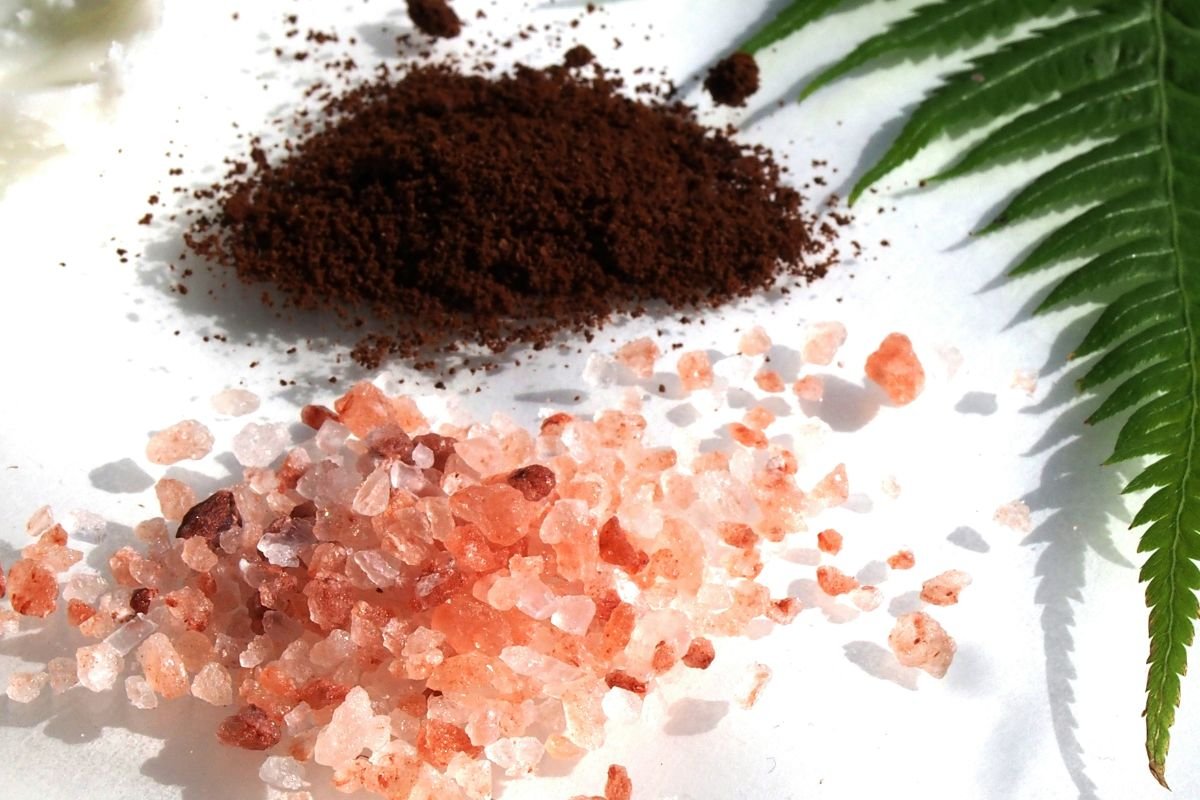
These practices are meant to be gentle and intentional, not excessive.
1. Salt Water Bowl Remedy: Mix rock salt in a glass bowl of water and place it in a corner of your home. Replace it once a week to clear stagnant energy.
2. Salt Foot Soak Ritual: Use warm water with rock salt and a pinch of turmeric. Soak your feet for 15 minutes before bed to calm your mind and ground your energy.
3. Rock Salt Under the Pillow: Wrap a small amount of rock salt in cloth and place it under your pillow to ease nightmares and promote deeper rest.
4. Mopping Floors with Salt Water: Add a spoon of salt to your floor-cleaning water. This practice is believed to remove lingering negativity and support overall well-being.
5. Amavasya or New Moon Cleansing: Cleaning your home with salt water on Amavasya nights is considered especially powerful for spiritual detoxification.
A gentle reminder: salt is powerful, but more is not better. Overuse or careless application can disrupt balance. Always use it with intention and moderation.
Historical and Scriptural Roots
In Ayurvedic texts and references from the Atharva Veda, salt is praised for its cleansing and protective qualities. For centuries, it has been used in rituals meant to ward off harmful energies and restore harmony. These practices survived not because of superstition, but because people felt the difference they created.
Salt reminds us that protection does not always arrive with noise or drama. Sometimes it sits quietly in everyday rituals, doing its work without asking for belief, only presence. When energies feel unsettled, and emotions feel heavier than they should, grounding practices like these help restore balance gently, without force. You do not need elaborate tools to feel safe and clear. Often, the wisdom you need has already been living in your home, waiting to be remembered.
Ask Agastyaa on AstroSure.ai to decode personalised salt rituals for energetic protection
Frequently Asked Questions About Salt in Spiritual Practices
1. Can I use regular table salt for rituals?
Rock salt or sea salt is preferred, as they are less processed and considered energetically purer.
2. How often should salt remedies be done?
Once a week is sufficient. During emotionally heavy phases, you may increase temporarily, but always return to balance.
3. What does it mean if salt water turns cloudy quickly?
It is traditionally seen as a sign that the salt is absorbing heavy or stagnant energy. Dispose of it respectfully and replace it.
4. Can salt really remove negative energy from a house?
Salt is traditionally believed to absorb stagnant or heavy energy. While it does not replace emotional or environmental work, many cultures use it as a symbolic and grounding cleanser.
5. Where should salt be placed in the home for best results?
Salt bowls are usually kept in corners, near entrances, or in spaces that feel heavy. The key is regular replacement and mindful intention.
Want personalised cosmic guidance?
Download AstroSure and chat with Agastyaa AI for insights tailored to your birth chart.
Download AstroSure