Why Is Salt Used to Remove Nazar and What Should You Do With It Afterwards?
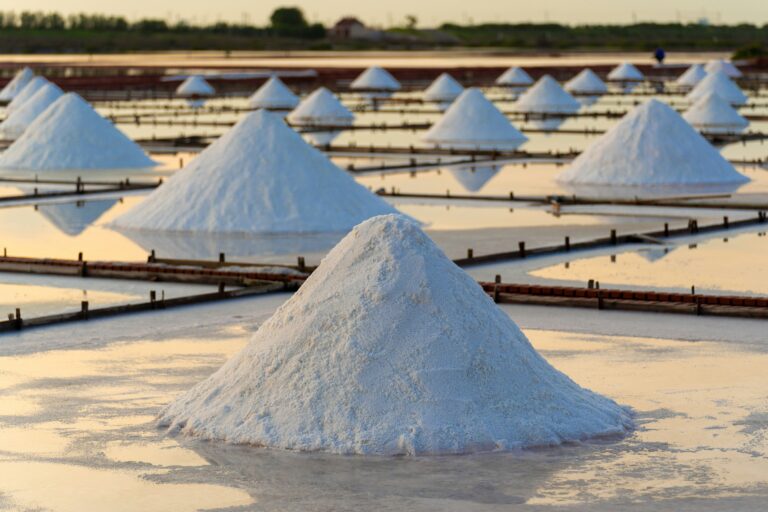
Picture this. A child comes home from a crowded family wedding. Suddenly, they feel cranky, cry, and refuse to eat. Alternatively, maybe you have experienced a week where everything just feels heavy. You feel like you are dragging your feet through thick mud. Consequently, what happens next is almost pure instinct in most Indian homes. A grandmother or a mother heads straight to the kitchen. Next, she grabs a fistful of coarse sea salt and rotates it around the person’s head. She makes a few quick circles, says a quiet prayer, and throws the salt away. Indeed, we have all seen it happen. But why salt? Out of everything sitting in the pantry, why is salt used to remove nazar, and what exactly should you do with it once the ritual is over? Let us break down the quiet logic behind this everyday kitchen remedy.
Key Takeaways
- Tradition uses salt because it absorbs heaviness without holding on to it forever. After completing the ritual, you simply discard the salt.
- Families may use different circles, odd numbers, chillies, and mustard seeds. However, the purpose remains the same: helping the person feel protected and bringing the moment to a clear end.
- You must never return used salt to the kitchen. Instead, dissolve it in running water or wrap and discard it outside the home.
- If you accidentally touch the salt after the ritual, you have no reason to worry or repeat everything. Simply wash your hands, dispose of it, and move on.
Why Tradition Uses Salt to Remove Nazar
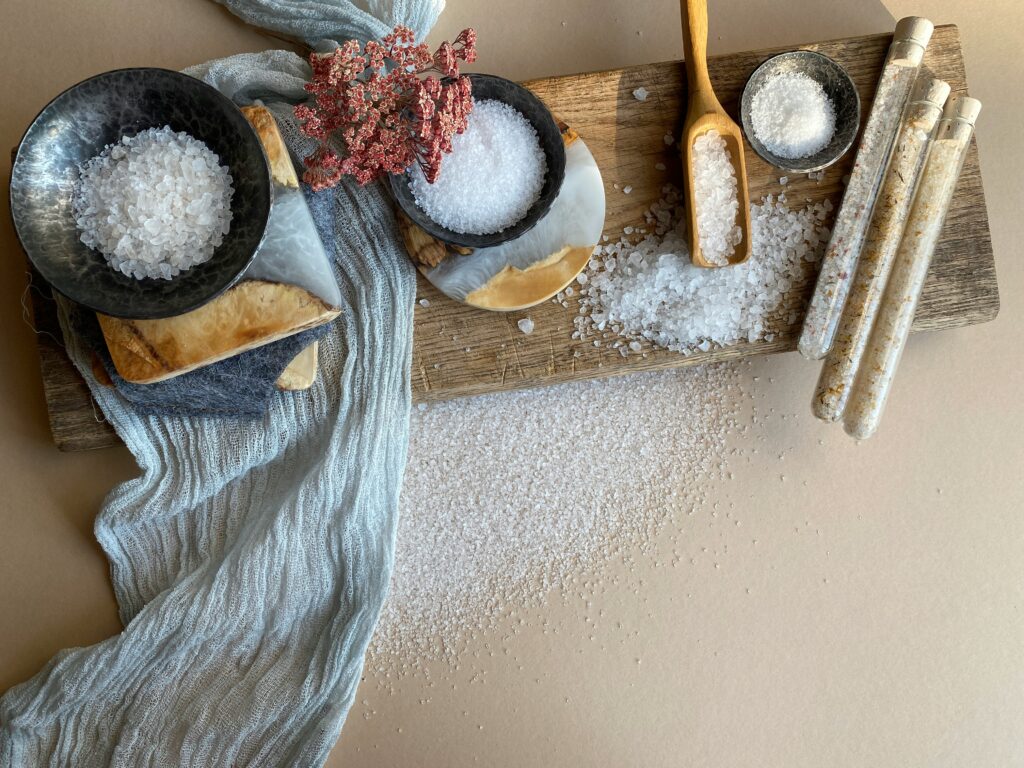
We often think of these rituals as fighting off bad energy. However, in traditional belief, salt acts as an energetic absorber. Think of it like a sponge. When nazar affects someone, the energy around them often feels scattered, heated, or unsettling. Salt comes from the earth and the sea. Consequently, people deeply associate both with grounding and purification. Traditional healers believe salt pulls that heavy, frantic energy downward and holds it temporarily. Furthermore, folk traditions point to the physical shape of salt crystals. They believe the crystalline structure catches unwanted vibrations. Because of this, you sometimes see people keeping bowls of rock salt in the corners of a room that feels stale. The idea is not that the salt magically creates positive vibes. Rather, it absorbs what feels stagnant or excessive in the space.
The Cultural Weight of Salt
Beyond just energy, salt carries a lot of cultural weight in India. For example, think about old phrases like namak halal (true to one’s salt) or namak ka haq (the right of salt). Historically, sharing someone’s salt meant you shared a bond of loyalty, trust, and protection. Therefore, using salt in a nazar ritual brings an emotional layer of safety. It acts as a symbol of integrity, doing the quiet work of clearing away harm.
The Meaning Behind Chillies and Mustard Seeds
When someone performs this ritual, they never move randomly. The practitioner typically rotates the salt around the person’s head in circles. Usually, they do this three, five, or seven times. Many ritual traditions favour odd numbers because they see them as active and spiritually significant. They believe the circular motion draws the unwanted energy away from the person and into the salt. In some homes, families add dried red chillies and mustard seeds to the ritual. Tradition gives each ingredient a specific purpose. Specifically, salt absorbs the heaviness, mustard seeds break its hold, and the heat of red chillies clears away any remaining negativity. Together, these items remove the nazar and release the energy it leaves behind.
If you throw these ingredients into a fire afterwards, you usually read the reaction. Traditionally, people see a loud crackling sound or a sharp, pungent smoke as proof of an intense nazar. Physically, of course, this reaction depends on the heat of the fire, the moisture in the salt, and the oils in the seeds and chillies. Even so, you can understand the basic science of the fire and still respect the comfort the belief brings to a worried family.
What to Do With Salt After Removing Nazar
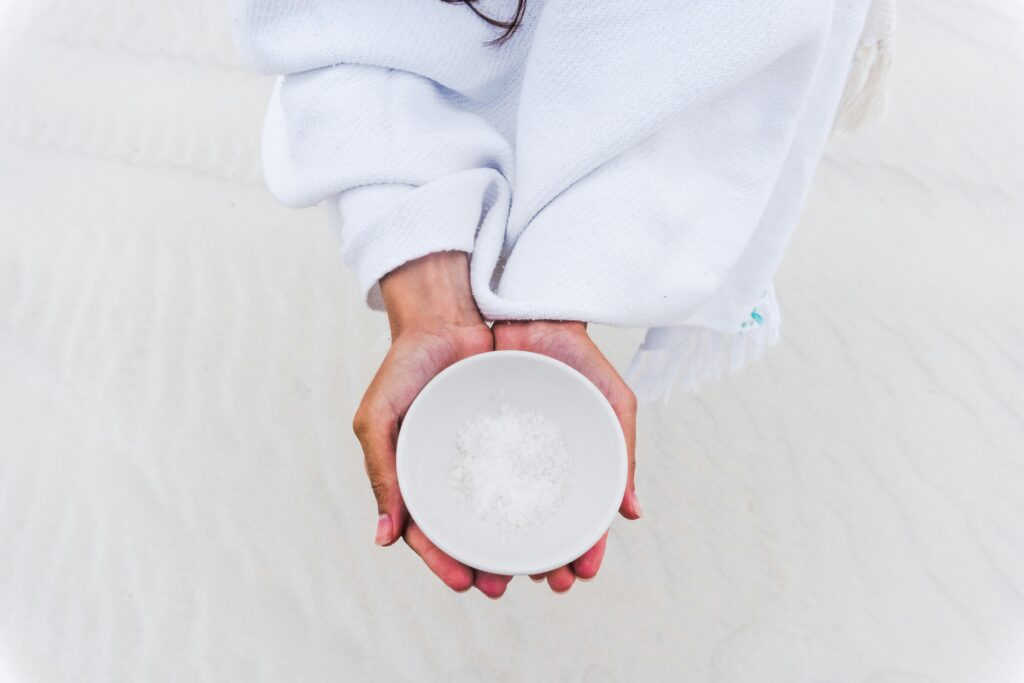
This brings us to the most important part of the process. What should you do with the salt after the ritual ends? According to traditional practice, you must follow one major rule: never put it back into your kitchen. You cannot reuse it in your food. Additionally, you should avoid touching it repeatedly, and you definitely should not keep it inside the house. The entire ritual relies on the idea that the salt has absorbed unwanted energy. If you reuse it, you symbolically bring back whatever you just tried to release. Different families use different methods to get rid of it. However, they all focus on letting it go completely.
Three Traditional Disposal Methods
- Dissolve it in water: The easiest and most common method involves dissolving the salt and washing it down the drain with running water. Water symbolises movement and release. Therefore, just wash it away, and then thoroughly scrub the vessel you used. A quick note: if you mixed the salt with chillies or ash, please avoid throwing it directly into natural rivers or lakes. That practice harms the local environment.
- Burn it carefully: In rituals using mustard seeds and chillies, people often place the mixture on hot charcoal or a gas stove. The fire represents transformation. They believe the flames break down the absorbed heaviness rather than just throwing it away. If you choose this method, turn your exhaust fan on and open the windows wide. Burning chillies will severely irritate your eyes and lungs.
- Discard it outside: Some families prefer to wrap the used salt in a piece of paper and throw it away outside the home. The main action here is separation. Consequently, once you throw it away, traditional advice tells you to turn around, walk back inside, and stop thinking about it. Do not look back.
Why Throwing the Salt Away Feels So Reassuring
We also see a very interesting psychological side to how we discard this salt. The disposal might actually hold as much importance as the ritual itself. When you wash the salt down the drain or watch it burn, you create a clear ending. You do not just sit there worrying, ‘I think someone’s nazar is affecting my child.’ Instead, you perform an action that says, ‘This influence is now gone.’ Consequently, that sense of closure works wonders for reducing anxiety and helping a person feel emotionally lighter.
Sometimes people get nervous if they accidentally touch the salt after the ritual ends. You have absolutely no need to panic. The salt does not suddenly become evil or cursed after removing nazar. It merely becomes ritually complete. For instance, think of it like dirty water after you wash your hands. The water is not bad; it just did its job, and now you drain it away. If you accidentally touch the salt, traditional practice simply tells you to wash your hands, dispose of the salt, and move on. You never need to fall into a fear loop or repeat the ritual out of panic.
The Quiet Comfort of Tradition
Do we have a scientific explanation for all of this? Honestly, no. Science offers no evidence proving that salt absorbs negative energy or that the evil eye exists. The role of salt in these rituals belongs entirely to cultural, spiritual, and folk traditions. However, that does not mean the ritual is useless. These practices provide structure when we feel out of control. Furthermore, they offer reassurance from the people who care about us, and they give us a very real sense of emotional closure. In these rituals, people believe salt absorbs the heaviness a person no longer wants to carry. Consequently, discarding it becomes a simple way to let that energy go.
Perhaps that explains why salt remains such an important part of nazar rituals for generations. We use it every day, and we find it in almost every kitchen. Yet, tradition gives it a deeper purpose: carrying away the unseen heaviness that words cannot always explain.
Feeling unusually heavy or unsettled lately?
Ask Agastyaa what may be affecting your energy and which remedies suit your birth chart. Get 4 questions free on AstroSure.
Nazar and Salt FAQs
1. Why do we use salt to remove nazar?
In traditional belief, salt acts as an energetic sponge that absorbs heavy or unwanted energy. Since it comes from the earth and sea, practitioners also associate it with grounding, cleansing, and protection.
2. What should you do with salt after removing nazar?
You should usually dissolve the used salt in running water, burn it carefully with other ritual ingredients, or wrap and discard it outside the home. Most importantly, never return it to the kitchen or use it in food.
3. Can you throw nazar salt down the drain?
Yes, absolutely. Dissolving the salt in water and washing it down the drain remains one of the simplest traditional methods. However, if the mixture contains chillies, ash, or other solid ingredients, you must remove them first so they do not block the drain.
4. What happens if you accidentally touch the salt after removing nazar?
You do not need to panic. Traditional practice simply suggests washing your hands, disposing of the salt, and moving on. Therefore, you do not need to repeat the ritual.
5. Why do families use red chillies and mustard seeds with salt?
According to folk tradition, salt absorbs heaviness, mustard seeds help loosen its hold, and red chillies provide heat for clearing. Consequently, the exact ingredients families use may differ between regions.
6. Does science prove that salt removes nazar?
No. Science provides no evidence that salt absorbs negative energy or removes the evil eye. Instead, the practice belongs to cultural, spiritual, and family traditions. Ultimately, it provides comfort, reassurance, and a sense of closure.
Want personalised cosmic guidance?
Download AstroSure and chat with Agastyaa AI for insights tailored to your birth chart.
Download AstroSure