Adhik Masik Shivratri 2026: Date, Vidhi and Why It's a Rare Night
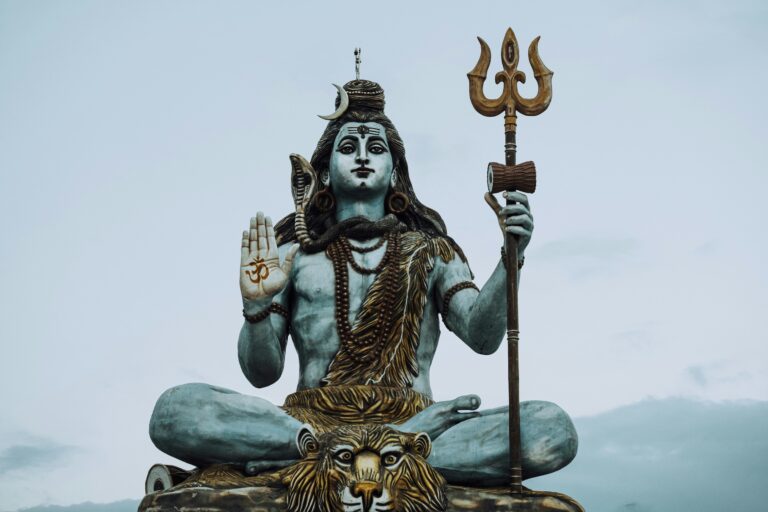
Masik Shivratri falls every month on the 14th day of the waning moon. However, the one arriving this June is different. It falls during Adhik Maas, the extra leap month in the Hindu calendar. Specifically, it happens in the Jyeshtha month.
The last time a Masik Shivratri aligned with a Jyeshtha Adhik Maas was 27 years ago, in 1999. Because of this long gap, fasting and doing the Shiva puja on this Saturday hold a lot of merit. Here is the schedule, the timings, and the simple rules to follow at home for this rare night.
Quick Glance
- First, Adhik Masik Shivratri 2026 is considered especially significant because it falls during the rare Adhik Maas period, something that happens only after long gaps in the lunar calendar cycle.
- Additionally, this Shivratri also carries a strong Moon connection astrologically. With the Moon moving into exalted Taurus during the night, the vrat is closely linked to emotional balance, mental calmness, and reducing inner restlessness.
- Moreover, unlike larger festival Shivratris, Masik Shivratri is quieter and more inward-focused. The emphasis is less on celebration and more on discipline, silence, prayer, and mental clarity.
- Ultimately, many of the rituals connected to this night—fasting lightly, staying awake during Nishita Kaal, chanting mantras, and limiting conflict—are all designed to calm emotional overload and bring steadiness to the mind.
Adhik Masik Shivratri 2026 Dates and Timings
Masik Shivratri always falls on the Chaturdashi (14th day) of the Krishna Paksha. Because the night time is the most crucial part of Shivratri, the date depends on when the Chaturdashi Tithi hits midnight.
- Date: Saturday, June 13, 2026
- Chaturdashi Tithi Starts: 04:07 pm on June 13
- Chaturdashi Tithi Ends: 12:19 pm on June 14
- Nishita Kaal (Midnight Puja Window): 12:01 am to 12:41 am (early morning of June 14)
If you need to set up your Mandir or take your fasting vow, use these Choghadiya timings on Saturday:
- Shubha (Good): 07:07 am to 08:52 am
- Chara (Neutral): 10:37 am to 12:21 pm
- Labha (Gain): 12:21 pm to 02:06 pm
- Amrita (Best): 02:06 pm to 03:50 pm
- Labha (Gain): 07:20 pm to 08:35 pm
- Shubha (Good): 08:35 pm to 09:51 pm
Therefore, skip the Kala (05:23 am to 07:07 am) and Roga (08:52 am to 10:37 am) windows for your prayers.
Why This Adhik Masik Shivratri Is Considered So Rare
The Hindu lunar calendar falls short of the solar calendar by about 11 days a year. To fix this, an extra month, Adhik Maas, is added every three years. But getting an Adhik Maas exactly in the Jyeshtha month is rare.
In addition, there is another astrological event happening on this night. The Moon will move into Taurus (Vrishabha Rashi), which is its exalted or highest placement. When the Moon sits here on a Shivratri, it creates an alignment called Gauri Yoga.
In Kundali, the Moon controls your mind, emotions, and anxiety. When you have Chandra Dosh (a weak Moon), you overthink, sleep poorly, and feel restless. Consequently, worshipping Lord Shiva, who wears the Moon on his head, during this Gauri Yoga is a direct remedy. Ultimately, it grounds racing thoughts and brings mental stability.
Also Read: Moon Signs in Astrology: How They Shape Your Emotions and Reactions
How to Perform the Shivratri Puja at Home
Shivratri translates to the ‘Night of Shiva.’ While you do a morning prayer, the main worship happens after sunset. It peaks during the Nishita Kaal (midnight window).
The Morning Ritual
To begin with, wake up in the Brahma Muhurat (just before sunrise). Take a bath and wear clean clothes. Next, stand in front of your Mandir, take a little Jal (water) in your right hand, and take a Sankalp (vow) to observe the fast honestly. Finally, drop the water on the floor.
The Midnight Shivratri Puja Vidhi
Around midnight, between 12:01 am and 12:41 am, sit down for the main worship.
- Set the Space: First, place a Shivling on a clean brass or copper plate. A picture of the Shiva family also works well.
- The Abhishekam: Next, slowly pour Ganga Jal over the Shivling. Follow this with a mixture of Kachcha Doodh (raw, unboiled milk), curd, honey, and a little sugarcane juice. Chant Om Namah Shivaya the entire time. Then, wash it one final time with plain water.
- The Offerings: Afterwards, wipe the Shivling clean. Apply a Chandan (sandalwood) tilak. Never offer Kumkum or Haldi to the Shivling.
- Bel Patra and Dhatura: Furthermore, offer a few Bel Patra leaves. The smooth side of the leaf must touch the Shivling, and the leaves should not be torn (Khandit). Offer Dhatura if you have it.
- The Aarti: Finally, light a Desi Ghee diya, burn some incense, and read the Shiva Chalisa.
The Discipline Behind the Shivratri Fast
During the Vrat, you follow a Phalahar diet. Specifically, eat fruits, dry fruits, and dairy products. Anaj (grains) like wheat, rice, and dal are banned for the day. If you cook, use only Sendha Namak (rock salt).
Moreover, a Shivratri fast requires strict mental discipline. You must follow the rules of Brahmacharya (celibacy) for the entire 24 hours. Also, keep your temper under control. Arguing ruins the exact merit you are trying to build. Therefore, do not speak ill of anyone. Lastly, keep your mind on your mantras even while doing daily household chores.
Also Read: The Power of Amavasya: How to Use the Dark Moon for Spiritual Growth
Why Charity Matters During Adhik Maas
Adhik Maas is a month for giving. Since this Shivratri features the Gauri Yoga, donating items related to the Moon brings good results. During the day, donate white items. For example, giving white clothes, rice, sugar, or milk to the needy or to a temple pacifies a troubled Moon in your birth chart.
In fact, it is an old remedy for people dealing with chronic stress or constant arguments at home. Therefore, keep the fast, stay awake for the midnight window, offer raw milk to the Shivling, and focus on clearing your mind.
Why has your mind felt so restless lately? Ask Agastyaa what your birth chart reveals. Download AstroSure and get 2 free questions.
Adhik Masik Shivratri 2026 FAQs
1. Why is staying awake during Shivratri considered spiritually important? Traditionally, staying awake symbolises awareness and mental discipline. Spiritually, the night is associated with silence, meditation, and remaining conscious instead of moving through life mechanically.
2. Why is Lord Shiva connected so strongly with calming the mind? In astrology and Hindu philosophy, Shiva represents stillness, detachment, emotional control, and inner stability. That is why Shiva worship is often recommended during periods of anxiety, overthinking, or emotional chaos.
3. Why does the Moon matter so much during Shivratri? The Moon rules emotions, sleep, mental peace, sensitivity, and emotional reactions in Vedic astrology. Consequently, Shivratri rituals are often connected to calming emotional instability and strengthening mental steadiness.
4. Can fasting and rituals actually affect mental clarity psychologically? Yes, absolutely. Simpler food, silence, prayer, reduced stimulation, and structured routines often help people feel mentally lighter, calmer, and more emotionally regulated.
5. Why do many Shivratri rituals focus on simplicity instead of elaborate celebration? Because Shiva is traditionally associated with minimalism, detachment, meditation, and inner stillness rather than luxury or outward display.
Want personalised cosmic guidance?
Download AstroSure and chat with Agastyaa AI for insights tailored to your birth chart.
Download AstroSure