Amalaki Ekadashi 2026: Date, timings and 6 small rituals that shape inner stability

Amalaki Ekadashi is often described as a day of purification, but its real importance feels far more practical. This Ekadashi is traditionally associated with mental steadiness, emotional cleansing, and subtle behavioural reset. Many devotees experience it as a stabilising pause between intensity and celebration. Falling between Maha Shivaratri and Holi, it naturally carries the feeling of transition, moving from discipline toward lightness. Rather than being a demanding observance, this Ekadashi is frequently approached as a quiet recalibration day that helps you clear mental clutter, regulate reactions, and restore internal balance.
Amalaki Ekadashi 2026 Date & Timings
Date: Friday, February 27, 2026
Ekadashi Tithi Begins: 12:33 am on Feb 27, 2026
Ekadashi Tithi Ends: 10:32 pm on Feb 27, 2026
Parana Time: Feb 28, 06:47 am to 09:06 am
Dwadashi End Moment: 08:43 pm
Shubh Muhurat for Rituals
On February 27, 2026, the following time periods are especially supportive:
- 08:15 am to 09:41 am (Labha – Gain)
- 09:41 am to 11:08 am (Amrita – Best)
- 12:34 pm to 02:00 pm (Shubha – Good)
- 09:26 pm to 11:00 pm (Labha – Gain)
These windows are traditionally viewed as smoother periods for पूजा, reflection, and mindful rituals.
Also read: Mercury Retrograde 2026: Dates, Delays & Fixes
What is Amalaki Ekadashi?
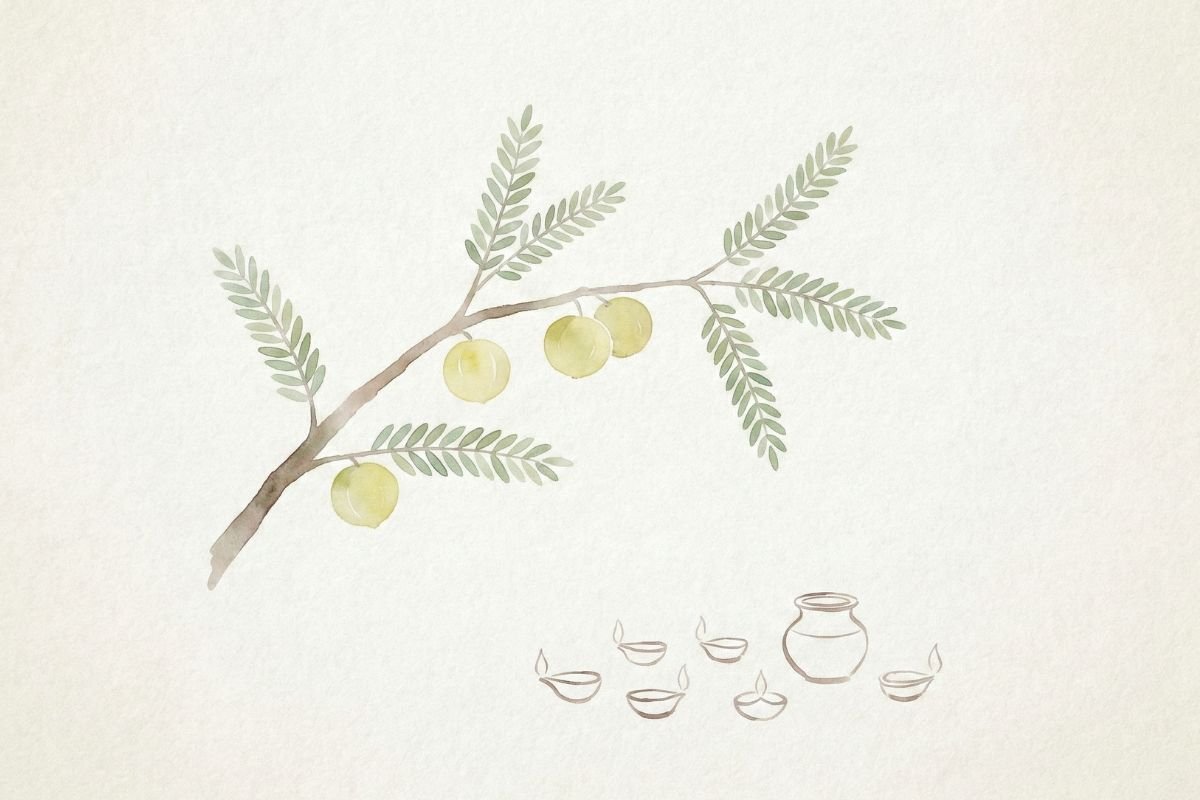
Amalaki Ekadashi falls during Phalguna Shukla Paksha and is associated with Lord Vishnu. The day holds a symbolic connection with the amla tree, which is traditionally linked with purification, rejuvenation, and vitality. While Ekadashi fasting rules typically emphasise food discipline, this particular observance often highlights mental clarity, behavioural restraint, and emotional lightness. In simple terms, Amalaki Ekadashi vrat blends physical discipline with psychological reset themes.
Amalaki Ekadashi Vrat Katha
Traditional scriptures describe the amla tree as divinely significant. It is symbolically associated with Lord Vishnu and represents purity, preservation, and renewal. The underlying message of the vrat katha is straightforward: stability, clarity, and balance often emerge through simplicity rather than excess. Whether interpreted spiritually or psychologically, the symbolism reinforces cleansing and recalibration themes.
Why Amalaki Ekadashi Feels Unique in 2026
Unlike many Ekadashis, this one carries a naturally transitional mood. Falling between Maha Shivaratri and Holi, it often feels like a gentle bridge from discipline to celebration. This timing itself shapes the psychological tone of the day. Rather than feeling restrictive, many people describe a sense of mental lightness and emotional ease.
In 2026, this feeling may become even more noticeable due to a strong planetary concentration in Aquarius. The Sun, Mars, Venus, Rahu, and retrograde Mercury are clustered here. Such alignments are traditionally associated with reflection, reassessment, and mental reset themes. You may find yourself thinking more deeply, questioning patterns, or feeling drawn toward inner clarity. The Moon’s placement in Gemini adds another layer. Thoughts may feel active, yet easier to observe and process consciously. This often makes prayer, fasting, or mindful practices feel more natural and grounding rather than effortful. Overall, this Ekadashi tends to feel less like a restriction and more like a recalibration. It becomes a day that gently supports mental clarity, emotional balance, and subtle inner alignment.
6 Small Rituals for Inner Stability

- Start the Morning Calmly: Waking early, bathing, and avoiding rushed stimulation often helps stabilise mental pacing. Slower mornings tend to create greater clarity and steadiness.
- Follow Food Discipline Mindfully: If observing Ekadashi fasting traditions, many avoid grains and prefer fruits or light meals. This dietary simplicity is traditionally associated with mental lightness and focus.
- Soulchant for Inner Balance: Listening to the [Vishnu Beej Mantra]() during the day often complements the reflective nature of Ekadashi. Repetitive sound patterns tend to stabilise mental rhythm and reduce scattered thinking. Vishnu-related chants are traditionally associated with balance, preservation, and emotional steadiness. Explore more peaceful [Soulchants]() on AstroSure.ai.
- Include Amla Symbolically or Practically: Amla is traditionally linked with renewal and cleansing themes. Some include it in meals, while others incorporate it through symbolic offerings.
- Practice Clear and Measured Communication: Speaking calmly, avoiding reactive exchanges, and minimising unnecessary conflict supports emotional balance during reflective phases.
- Create Evening Mental Quiet: Reducing noise, screens, and overstimulation often makes reflection and mental relaxation easier.
You might also find this interesting: Astrology Remedies to Remove Negative Energy
Ekadashi Parana Rules Explained
Parana means breaking the fast. Proper timing closure remains important in Ekadashi observance. For Amalaki Ekadashi 2026, Parana should be performed on February 28 between 06:47 AM and 09:06 AM.
Parana is avoided during Hari Vasara, which is the first quarter of Dwadashi. The preferred window remains Pratahkal, or early morning. Completing Parana within Dwadashi is traditionally emphasised because the fasting cycle is considered incomplete otherwise. From a practical perspective, timing discipline matters more than ritual perfection.
FAQ: Amalaki Ekadashi 2026
1. When is Amalaki Ekadashi 2026?
Amalaki Ekadashi 2026 falls on Friday, February 27.
2. What is Amalaki Ekadashi significance?
The day is traditionally associated with purification, renewal, and mental stabilisation themes linked with Lord Vishnu.
3. What are Ekadashi Parana rules?
Parana is done after sunrise on Dwadashi within the specified time window, avoiding Hari Vasara.
4. Can I observe vrat without strict fasting?
Yes. Many follow modified restraint-based observance focusing on discipline and clarity.
5. Why worship the amla tree?The amla tree is symbolically linked with Vishnu, purity, rejuvenation, and renewal psychology.
Amalaki Ekadashi 2026 is rarely experienced as rigid or intense. Many devotees approach it as a behavioural reset day that encourages steadiness, clarity, and emotional balance. Observed consciously, it often supports regulation rather than restriction.
Ask Agastyaa on AstroSure.ai for personalised Ekadashi guidance
Want personalised cosmic guidance?
Download AstroSure and chat with Agastyaa AI for insights tailored to your birth chart.
Download AstroSure