5 Ancient Indian Practices to Help You Feel Calm Every Day
Some days feel like they begin at full speed. Before breakfast, you have checked your phone and replied to a message. Furthermore, you have thought about work and remembered things you forgot to do yesterday. Consequently, by the time the day properly starts, your mind is already tired. Most of us cannot remove stress from our lives. After all, there will always be deadlines, responsibilities, and unexpected problems. However, what we can change is how we respond to them. For thousands of years, ancient Indian practices have included simple daily habits to help people slow down. Ultimately, they help you become more present and find a little steadiness in the middle of ordinary life. Importantly, they do not require special equipment or hours of free time. In fact, many of them take just a few minutes. Here are five practices you can begin with today.
Quick Glance: Ancient Indian Practices for Everyday Calm
- Ancient Indian practices focus on building calm through small daily habits rather than major lifestyle changes.
- Simple practices like slow breathing, setting a Sankalpa, mantra chanting, and mindful eating can help you feel more present.
- Spending a few minutes in nature can give your mind a break from constant stimulation and daily stress.
- Start with one practice instead of trying to change everything at once. Small, consistent habits are easier to maintain.
Why Ancient Indian Practices Still Matter Today
Indian traditions have changed over thousands of years. Yet, practices like breathing exercises, mantra chanting, and daily prayer are still part of many people’s lives. The reason is simple. Essentially, they were never meant only for monks or scholars. Instead, they were designed for ordinary people with families, work, and responsibilities. Therefore, you could practise them at home, while travelling, or during a busy day. Perhaps that is exactly why they continue to be passed from one generation to the next. They do not ask you to change your entire life. They simply ask you to slow down for a few moments.
Also Read: 5 Ways to Use Vedic Astrology for Daily Wellness
5 Ancient Indian Practices to Feel More Calm Every Day
1. Start With a Few Slow Breaths
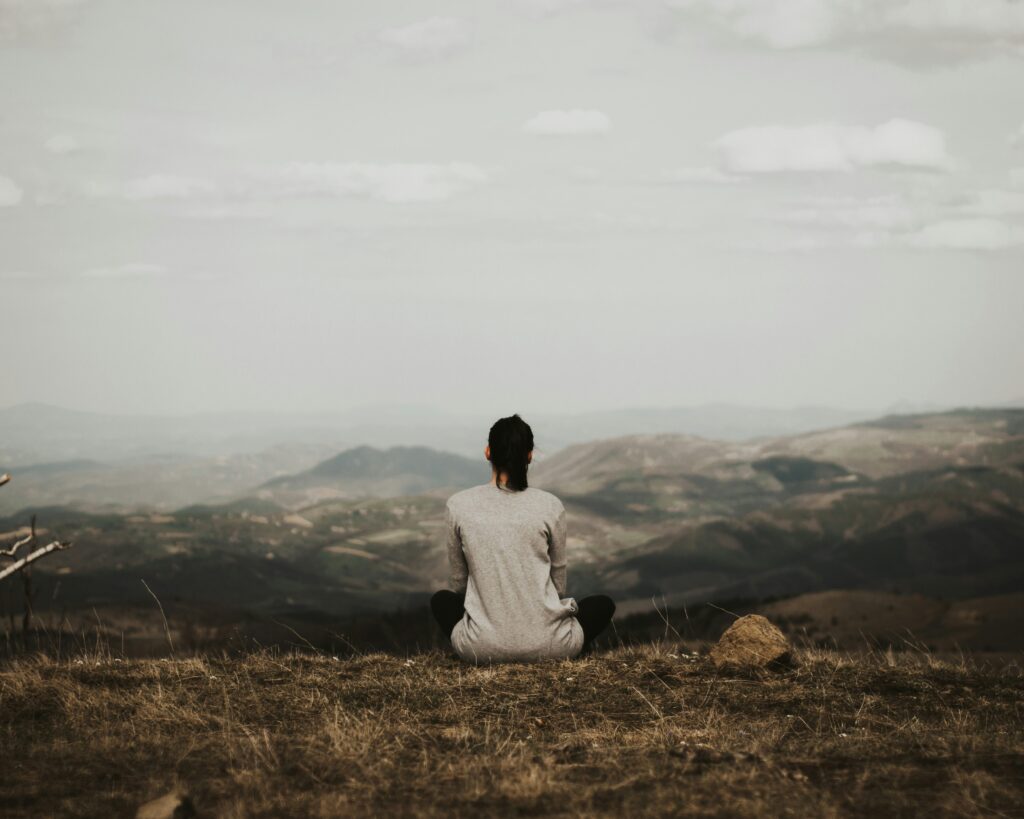
When you are worried or rushing, your breathing often becomes faster without you even noticing. In fact, slowing it down is one of the simplest ways to help your body relax. You do not need to learn advanced pranayama to begin. First, just sit comfortably. Then, breathe in slowly through your nose, and breathe out at the same pace. Repeat this for two or three minutes. Some people do this before work. Others prefer it before bed or whenever they feel overwhelmed. It is a small habit, but it creates a necessary pause before you move on to the next thing.
2. Begin the Day With an Intention
Many of us wake up and immediately reach for our phones. Before long, the day is being shaped by messages, emails, and notifications. Instead, take a minute to decide how you want to move through the day. For example, you might tell yourself:
- Today I will be patient.
- Today I will focus on one thing at a time.
- Today I will speak more kindly.
In Indian traditions, this is known as a Sankalpa, or intention. It is not about predicting what will happen. Rather, it is simply choosing the attitude you want to carry with you. Even if the day does not go as planned, that clear intention gives you something steady to return to.
3. Spend a Few Minutes With a Mantra
Additionally, a busy mind naturally jumps from one thought to another. A mantra gives it somewhere gentle to rest. You can repeat Om, Om Namah Shivaya, the Gayatri Mantra, or another prayer that feels meaningful to you. Some people chant aloud, while others repeat it silently. Importantly, you do not have to stop your thoughts. They will come and go, and that is perfectly normal. Each time your attention wanders, simply return to the mantra. Consequently, many people find that even five quiet minutes leave them feeling much more settled than before.
Also Read: Understanding Your Astrology Chart for Emotional Balance

4. Slow Down at Mealtimes
For instance, think about your last meal. Were you looking at your phone? Watching television? Replying to messages? In many Indian homes, people pause briefly before eating. Some offer a short prayer, while others simply take a quiet moment to feel grateful for the food in front of them. It may seem like a small habit, but it changes the pace of the meal. Instead of rushing through it, you become more aware of what you are eating and the effort that brought it to your plate. You do not have to do this every time you eat. Even one mindful meal a day can make a real difference.
5. Spend Some Time in Nature
Moreover, Indian traditions have always treated nature as something to spend time with, not just something to admire from a distance. You do not need to plan a weekend retreat or visit a forest. Actually, a short walk in a nearby park, sitting under a tree, watering your plants, or watching the sunrise can be enough. When you step away from screens for a little while, your mind gets a chance to slow down too. Ultimately, many people find that these quiet moments outdoors help them feel refreshed without trying very hard.
How to Make These Practices Part of Your Daily Life
If these ancient Indian practices are new to you, keep it simple.
- First, you do not have to start all five on the same day. Choose one that feels natural and stay with it for a week or two before adding another.
- Second, some days you may forget. Some days you may only have five minutes. That is perfectly fine.
- Furthermore, these habits are not about doing everything perfectly. They are about showing up regularly, even in small ways.
- Over time, those few quiet minutes often become the part of the day people look forward to the most.
Finding a Practice That Feels Right for You
Not every practice suits every person. Some people naturally enjoy chanting, while others find more peace in breathing exercises or spending time outdoors. If you would like a more personal starting point, your birth chart can offer helpful insights into your natural temperament and emotional patterns. You can explore your personalised Kundli or ask for guidance on practices that may feel most natural for you. Ultimately, finding calm does not always require a major life change. Sometimes it begins with one slow breath, one quiet prayer, or a few peaceful minutes that remind you to pause before the day carries you away.
Which spiritual practice aligns best with your birth chart?
Ask Agastyaa. Download AstroSure and get 4 questions free.
FAQs About Ancient Indian Practices for Calm
1. What are some simple ancient Indian practices for beginners?
Some beginner-friendly practices include slow breathing, setting a daily Sankalpa (intention), chanting a mantra, eating mindfully, and spending time in nature. These habits take only a few minutes and can be adapted to your routine.
2. What is a Sankalpa in Indian traditions?
A Sankalpa is a conscious intention you set before beginning your day or a spiritual practice. Rather than focusing on outcomes, it reminds you how you want to think, act, or respond throughout the day.
3. Do I need to meditate to benefit from these practices?
No. Meditation is only one of many traditional practices. Simple habits such as mindful breathing, mantra chanting, gratitude, or spending time outdoors can also help you feel calmer and more present.
4. How long should I practise these habits each day?
Even five to ten minutes can be enough. It is better to practise consistently for a short time than to follow a long routine that becomes difficult to maintain.
5. Can these ancient Indian practices help reduce stress?
Many people find these practices helpful because they encourage slower breathing, greater awareness, gratitude, and regular moments of reflection. While they are not a replacement for professional mental health care, they can become part of a healthy daily routine.
Want personalised cosmic guidance?
Download AstroSure and chat with Agastyaa AI for insights tailored to your birth chart.
Download AstroSure