Cheti Chand 2026 (Jhulelal Jayanti): Sindhi New Year Date, Rituals and Significance
In 2026, Cheti Chand falls on March 20. Basically, it is the Sindhi New Year. If you have never heard of it, that’s okay. Let us learn about it together. It is a beautiful, vibrant festival full of hope, and understanding it brings you closer to the heart of the Sindhi community. So, let us delve into the topic and understand what the festival is all about and how to celebrate it.
When is Cheti Chand 2026?
In 2026, Cheti Chand 2026 falls on Friday, March 20. The lunar phase actually begins early on March 19, but the main celebrations usually happen when the moon is clearly visible. This day marks the beginning of the new year for Sindhis and is also celebrated as Jhulelal Jayanti, the birthday of their patron saint, Lord Jhulelal.
What is Cheti Chand? Understanding The Basics
You might be wondering, what is Cheti Chand exactly? Simply put, this day celebrates new beginnings, and it is the most important festival for Sindhi people, who originally hail from the Sindh region (now in Pakistan) but live all over the world today. It is a day about renewal, water, and gratitude. It is like what Diwali or Holi is for Hindus. It is a time when people celebrate together, wear new clothes, and pray for a safe and prosperous year ahead. If you are wondering cheti chand is celebrated in which state, the answer is that it happens wherever Sindhis live! In India, you will see huge celebrations in Maharashtra, Gujarat, Rajasthan, and Madhya Pradesh.
Also read: Chaitra Navratri 2026: Dates, Ghatasthapana Time, and How to Celebrate
Who is Jhulelal and Why Do People Honor Him on This Day?
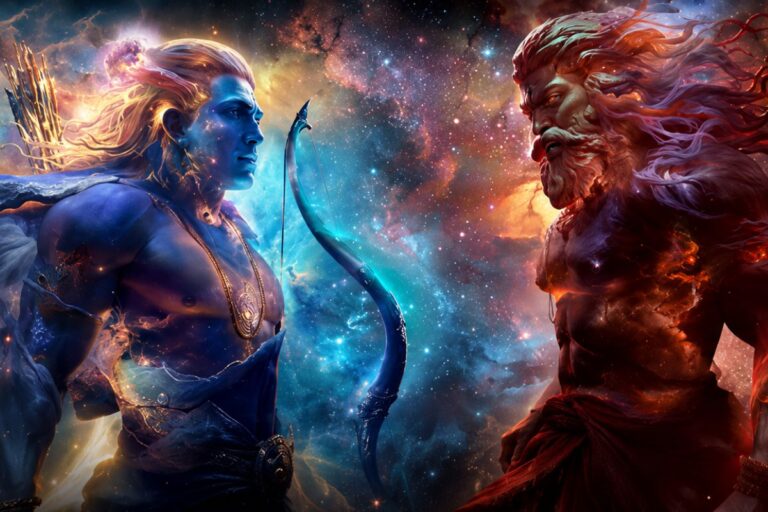
The heart of this festival is the story of Jhulelal, a story about faith and protection. Centuries ago, in the Sindh region, a tyrannical ruler named Mirakhshah threatened the local people. He gave them a choice: convert to his religion or face death. The people were terrified and had nowhere to go. They went to the banks of the Indus River and prayed for forty days. Finally, a voice from the sky promised them that a divine child would be born to save them. True to the promise, a baby named Jhulelal was born. He was no ordinary child; people saw miracles wherever he went. When he grew up, Jhulelal did not just fight the tyrant with weapons; he used his divine power to show Mirakhshah that God is one and that all people should live in peace. He protected the community and upheld the truth. That is why people celebrate Jhulelal Jayanti every year on this day, to thank the ‘Water God’ who saved them.
Why is Cheti Chand Celebrated in Spring?
Why is Cheti Chand celebrated at this specific time? This festival falls at a special time in the lunar calendar: Chaitra Shukla Dwitiy (the second day of the bright moon in the month of Chaitra. In Sindhi, Chet means the spring month, and Chand means moon. So, Cheti Chand literally refers to the moon of the spring month. This is the time when winter is gone, nature is waking up, and the moon is bright and growing. In many cultures, the growing moon represents growth in our own lives. The rising moon in the spring sky is seen as a symbol of hope and prosperity. That is why the festival is celebrated during this time. Interestingly, other cultures also celebrate their New Years around this same time (like Gudi Padwa in Maharashtra or Ugadi in the south) and for the same reason.
How is Cheti Chand Celebrated?
The celebrations are colourful and deeply spiritual. Here are the main things you will see:
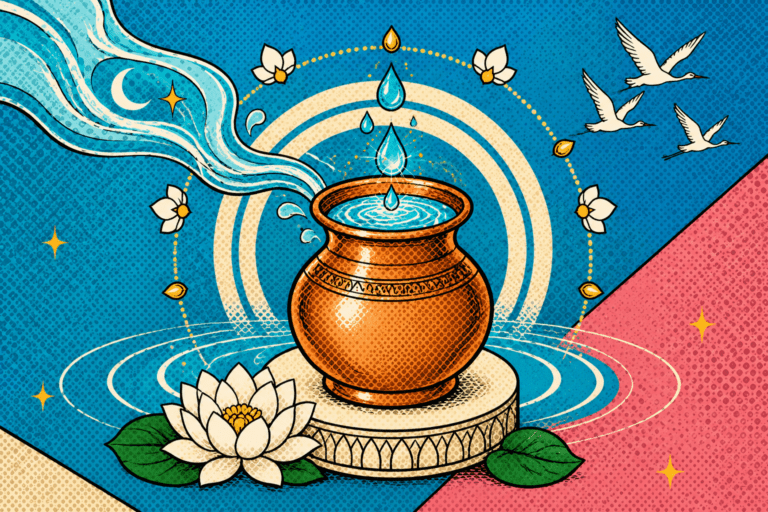
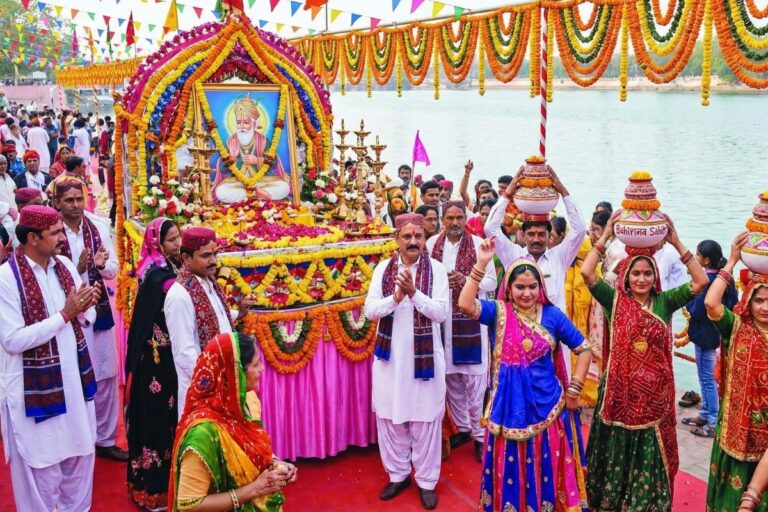
- Baharana Sahib procession: This is the highlight. People carry a beautifully decorated pot (Kalash) containing water, a coconut, sugar, and flowers. A lamp (Jyot) is lit on top. It is taken to a river or lake to represent Jhulelal.
- Lighting diyas: Since Jhulelal is associated with water and light, people light wheat-flour lamps near water bodies.
- Prayers near water (Akha): Devotees go to a river or the sea to offer Akha (a mixture of rice and sugarP to the water, feeding the fish and birds as an act of kindness.
- Special foods: Every home makes Tahiri (a sweet rice dish) and often Sindhi Biryani or Dal Pakhwan.
- Chahilo: Some very devout people observe a 40-day fast before this festival, living simply and avoiding fried food, to purify themselves.
- Singing and dancing: People gather to sing bhajans (devotional songs) and do the Chhej, a traditional folk dance that looks a bit like Dandiya.
Simple Ways to Celebrate If You Want to Join In
You don’t have to be Sindhi to appreciate the good vibes of this day. Here is how you can join in:
Share greetings: You can send Cheti Chand wishes by saying ‘Cheti Chand jo Mubarak’ (Blessed Cheti Chand) to your friends.
Light a lamp: Light a diya in your home to invite positive energy.
Respect water: Since this festival honours the Water God, try to do something good for the environment, like cleaning up a local water spot or just not wasting water.
Eat something sweet: If you have Sindhi neighbours, they might share prasad with you. Accept it with both hands as it is considered to be a sign of goodwill.
Also read: Papamochani Ekadashi 2026 Date and Puja Vidhi
Cheti Chand is about new beginnings, hope, and community. Whether you are Sindhi or just curious, there is something meaningful to learn from this celebration.
Ask Agastyaa how this spring New Year festival aligns with your birth chart and what renewal energy it brings
Want personalised cosmic guidance?
Download AstroSure and chat with Agastyaa AI for insights tailored to your birth chart.
Download AstroSure