Does a House Hold the Energy of the People Who Lived There Before?

Have you ever walked into a bright, clean house but immediately wanted to leave? Or stepped into an old, dusty apartment and felt instantly at home? When we move into a previously occupied space, we often wonder if the walls hold onto the past. We clean the floors and paint the walls, but a lingering feeling sometimes remains. It feels like we are living inside someone else’s story. You might ask yourself if your home still holds the energy of previous owners. According to Vastu Shastra and traditional beliefs, a house does not just serve as an empty box. Instead, it acts as a living space shaped by the people who spend their days inside it. Let us look at what tradition and psychology say about the atmosphere of an old home, and how you can truly make it your own.
Key Takeaways
- A previously occupied home may feel unfamiliar at first. However, that does not mean it carries something harmful from the people who lived there before you.
- What feels like negative energy in a house may sometimes stem from poor light, stale air, dampness, or simply the stress of adjusting to a new place.
- Old energy does not always act negatively. A home may feel warm and comforting because of the routines, celebrations, and care that once filled it.
- Cleaning, opening the windows, cooking, lighting a diya, and creating new memories can gradually make the space feel like your own.
How a Home Develops Its Own Atmosphere
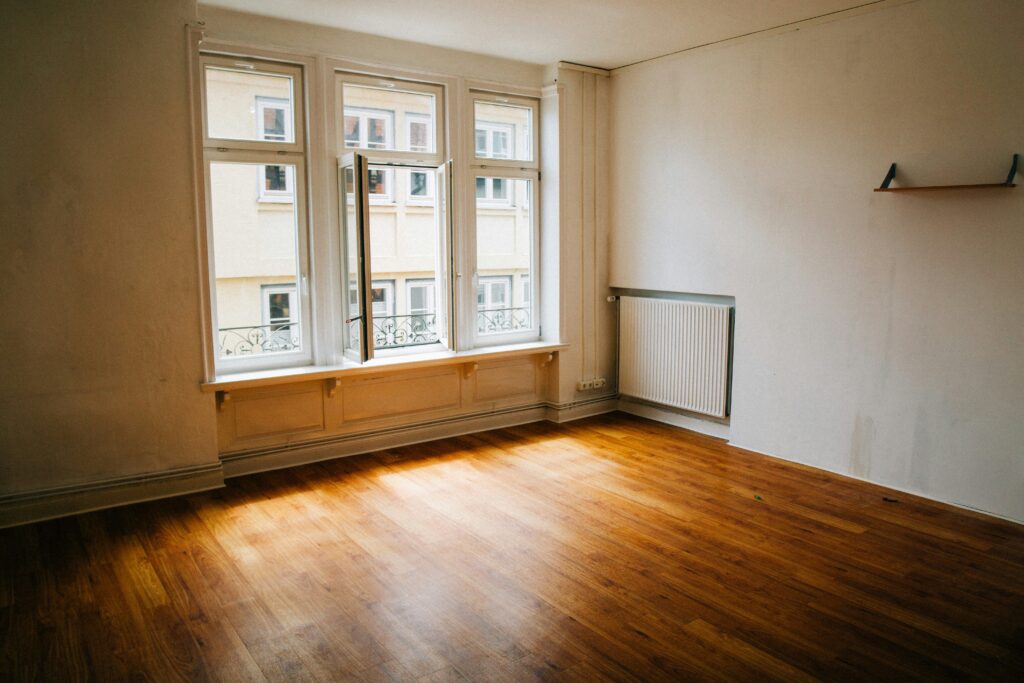
In Vastu Shastra, practitioners view a home as a living field. It functions as a place where the five elements, sunlight, airflow, human habits, and emotions constantly interact. Think about what happens in a house over ten or twenty years. People sleep in the same rooms, argue in specific corners, celebrate festivals, grieve losses, and make major life decisions.
Traditional belief suggests that when a family repeats an emotion or activity for years, it leaves a subtle impression behind. In Vedic philosophy, a samskara represents an impression created by repeated experiences or actions. While this term usually applies to the human mind, it offers a helpful way to understand how a space can hold onto a specific mood.
A room used for daily prayer often begins to feel calm and comforting. A family kitchen filled with conversation feels warm even after a complete renovation. On the other hand, a room associated with years of conflict may feel tense to a new resident. A house may change owners in a single day, but according to traditional belief, its emotional atmosphere takes much longer to change.
Intuition or Just the Environment?
Many people say they could never sleep properly in a bedroom before they knew anything about the property’s history. A Vastu practitioner might interpret this as sensitivity to the existing atmosphere. However, we also find very ordinary, everyday explanations. Our brains notice environmental details long before we consciously identify them. Poor ventilation, stale smells, low ceilings, dark corners, dampness, unusual acoustics, and lack of sunlight can easily create a deep sense of discomfort. We also see the power of suggestion. If a neighbour tells you the previous family fought constantly, you might start noticing negative energy in a house simply because you now expect it. Sometimes people understand the feeling as spiritual intuition. At other times, the mind simply responds to light, smell, sound, layout, and memory. In real life, the two remain very difficult to separate.
Old Energy Is Not Always Bad
Most conversations about old houses quickly turn into scary stories. This feels unnecessary. If homes can retain difficult impressions in spiritual belief, they can also retain peaceful and positive ones. Old energy never acts automatically negative. A home may inherit warmth just as easily as heaviness. A house where generations celebrated festivals, welcomed guests, cared for children, and shared meals feels unusually comforting. Some people enter an old ancestral home and instantly experience a deep sense of familiarity, despite never having lived there. If a home can carry the memory of conflict, why would it not also carry the memory of love?
Does Renovation Erase the Past?
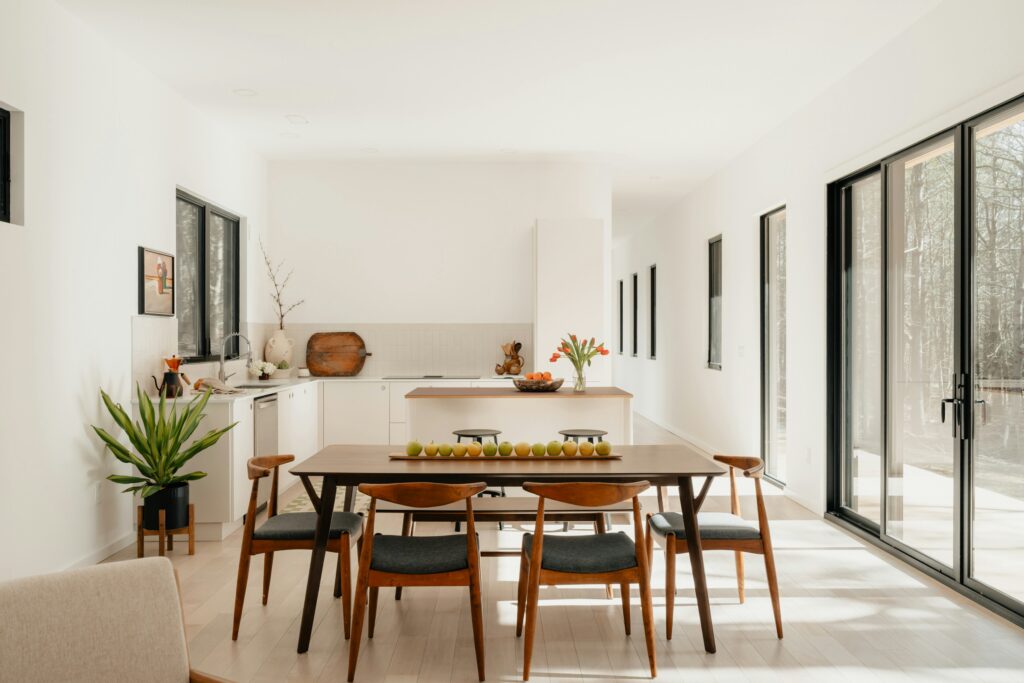
You might think that painting the walls and replacing the flooring makes a home feel completely new. Physical renovation definitely helps. Fresh colours, better lighting, and cleaner surfaces change how your nervous system responds to the space. However, Vastu traditions argue that physical renovation and energetic renewal operate as two different processes. A home can look completely new but still feel unfamiliar because you have not created your own routines there yet. You do not make a home yours only by changing its walls. You make it yours by living differently within them.
Why Griha Pravesh Matters in a New Home
This explains why ceremonies like Griha Pravesh exist. A housewarming does not serve merely as a party to celebrate buying real estate. It marks the transition of a structure into an inhabited home. Rituals like boiling milk for abundance, lighting lamps for clarity, and performing a Vastu Puja do not happen because the previous occupants left something harmful behind. They simply mark the beginning of a new chapter. Different cleansing practices use different elements to change the atmosphere. Fire from a diya represents transformation. In traditional practice, the sound of bells and mantras clears stagnation and brings fresh movement into the home. Sprinkling clean water symbolises renewal. Opening windows pushes out old smells and trapped heat. Morning sunlight acts as a purifying and life-giving force. These rituals work on a symbolic level, but a home also genuinely smells, sounds, and feels different afterwards.
Do Old Objects Carry Impressions?
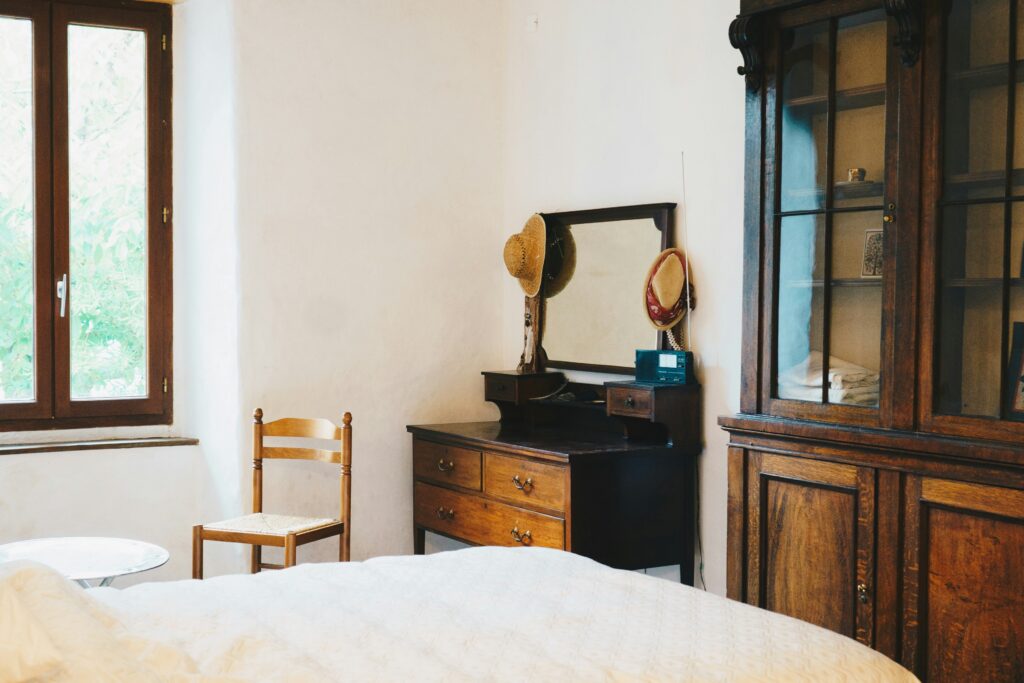
Objects Used for Many Years
Traditional beliefs often place special importance on objects used repeatedly. People believe beds, religious objects, family photographs, and chairs used by one person for many years hold stronger impressions due to prolonged human contact.
What About Old Mirrors?
Mirrors receive different treatment in Vastu and folk traditions because they reflect and visually multiply whatever surrounds them. Some people feel uncomfortable keeping an old mirror because it lived with the previous household for many years.
But science provides no evidence that glass stores memories. From a Vastu perspective, the concern usually focuses more on where you place the mirror rather than who owned it before. You do not need to fear second-hand objects. An object’s past does not automatically dictate its future. Cleaning it, repairing it, changing its place, and giving it a new purpose helps it become part of a new story.
Is It Stagnant Energy or a Problem With the Space?
People traditionally associate certain signs with stagnant energy. You might notice the home feels dull even during the day. Family members might become unusually irritable in one specific room. Sleep might feel disturbed, or one area might remain unused because everyone unconsciously avoids it.
Before you worry about the energy of previous owners, look for practical causes. Poor natural light, mould, uncomfortable room layouts, traffic noise, moving stress, or anxiety about a new mortgage connect heavily to these same experiences. Always check the physical environment first.
How to Make a Previously Occupied Home Feel Like Yours
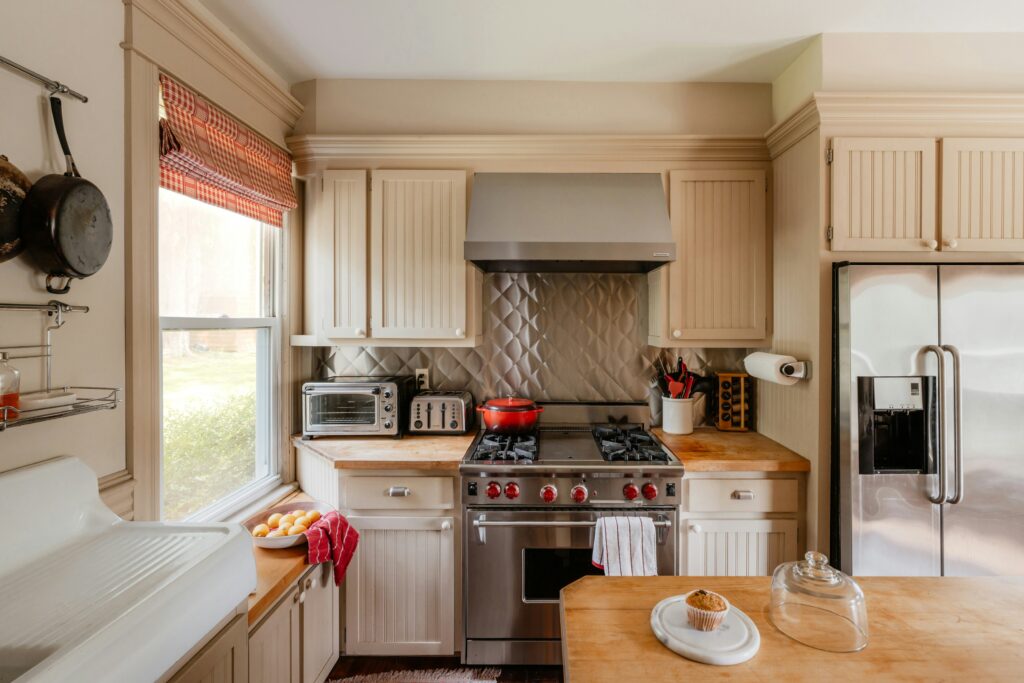
If you are moving into a previously occupied home, you have no need for fear. Here are a few practical ways to establish your own presence.
- Clean the entire house: Dust, stains, smells, and clutter act as tangible traces of previous occupancy. Start with physical cleanliness.
- Open every door and window: Allow sunlight and fresh air into rooms that may have remained closed for months.
- Remove abandoned objects: Do not keep old possessions merely because they already lived in the house. Decide consciously what belongs in your space.
- Cook something before ordering food: Lighting the kitchen fire and preparing something simple introduces warmth, nourishment, aroma, and activity into the home.
- Create new sounds: Play music, talk, invite loved ones over, or simply move through every room. An empty house becomes familiar through repeated human presence.
- Light a lamp: The intention does not involve fighting an invisible presence. It simply establishes peace and begins your relationship with the space.
Your Future Is Not Written in the Walls
An unfamiliar atmosphere might influence how comfortable you feel at first. However, it does not mean the previous residents left behind a curse. You are not destined to repeat the life of the people who lived in your home before you. A house may have a history, but its history does not act as a horoscope for its next residents.
Perhaps homes do carry something from the people who lived there. It usually does not involve a mysterious force trapped inside the walls, but rather traces of their routines, choices, and memories. Yet a home does not remain frozen in its past. Every meal cooked, lamp lit, conversation shared, and new memory created slowly teaches the space who lives there now. Ultimately, the strongest way to change the atmosphere of a home is not to keep removing its old energy, but to consistently create new energy within it.
Wondering what this move may change in your life?
Ask Agastyaa what your birth chart reveals about your new chapter. Get 4 questions free on AstroSure.
Moving Home FAQs
1. How long does it take for a new house to start feeling like home?
No fixed timeline exists. Some people feel comfortable within a few days, while others need several weeks or months. Familiar routines, regular meals, personal belongings, visitors, and time spent in each room can gradually make the space feel more settled.
2. Should you ask about the history of a house before moving in?
It can prove useful to ask about practical matters such as repairs, water damage, electrical problems, pests, disputes, or long periods of vacancy. You do not need to investigate every personal detail about the previous residents unless it affects the property or your decision to live there.
3. What should you do if only one room feels uncomfortable?
Spend time in the room at different hours and check the light, airflow, temperature, smell, noise, dampness, furniture placement, and outside view. A small environmental problem can sometimes explain why one area feels less comfortable than the rest of the home.
4. Can moving stress make a new home feel negative?
Yes, absolutely. Moving can bring financial pressure, disrupted sleep, unfamiliar surroundings, and a loss of routine. These feelings may become associated with the house even when nothing sits wrong with the space itself.
5. Should you replace furniture left behind by previous residents?
Not necessarily. Check whether the furniture stands clean, safe, useful, and in good condition. If you choose to keep it, deep-cleaning, repairing, repainting, or moving it to a different part of the house can help it feel more connected to your own space.
Want personalised cosmic guidance?
Download AstroSure and chat with Agastyaa AI for insights tailored to your birth chart.
Download AstroSure