The hidden world of Nakshatras: What your lunar address says about you
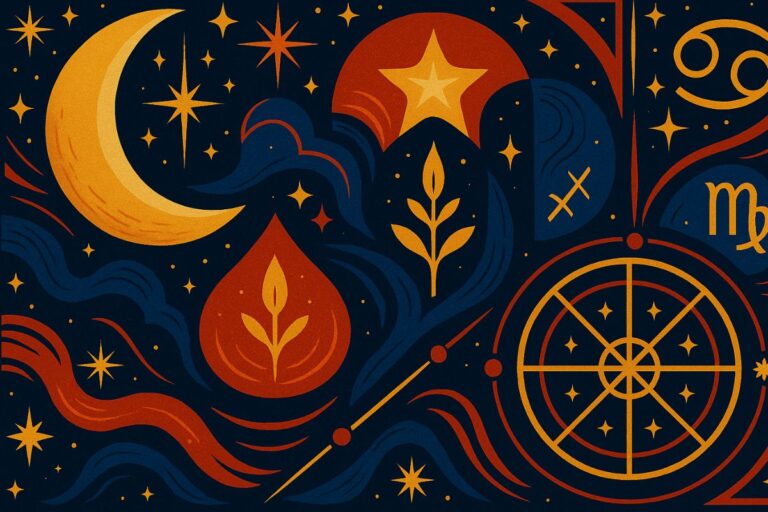
There is something charming about the idea that you were born into a particular house in the sky. Not a palace or a hut, just a star-built room that the Moon occupied the moment you entered the world. In Vedic astrology, these star rooms are called Nakshatras. They are small, ancient slices of the heavens that colour how you feel things, how you respond to life and what you instinctively seek. If the zodiac signs show your broader personality, then Nakshatras explain the private part of your nature. They tell us why the same event hits two people differently, why one person soaks up chaos while another needs order like oxygen, and why some inner patterns refuse to budge no matter how many resolutions we make.
What Nakshatras really are?
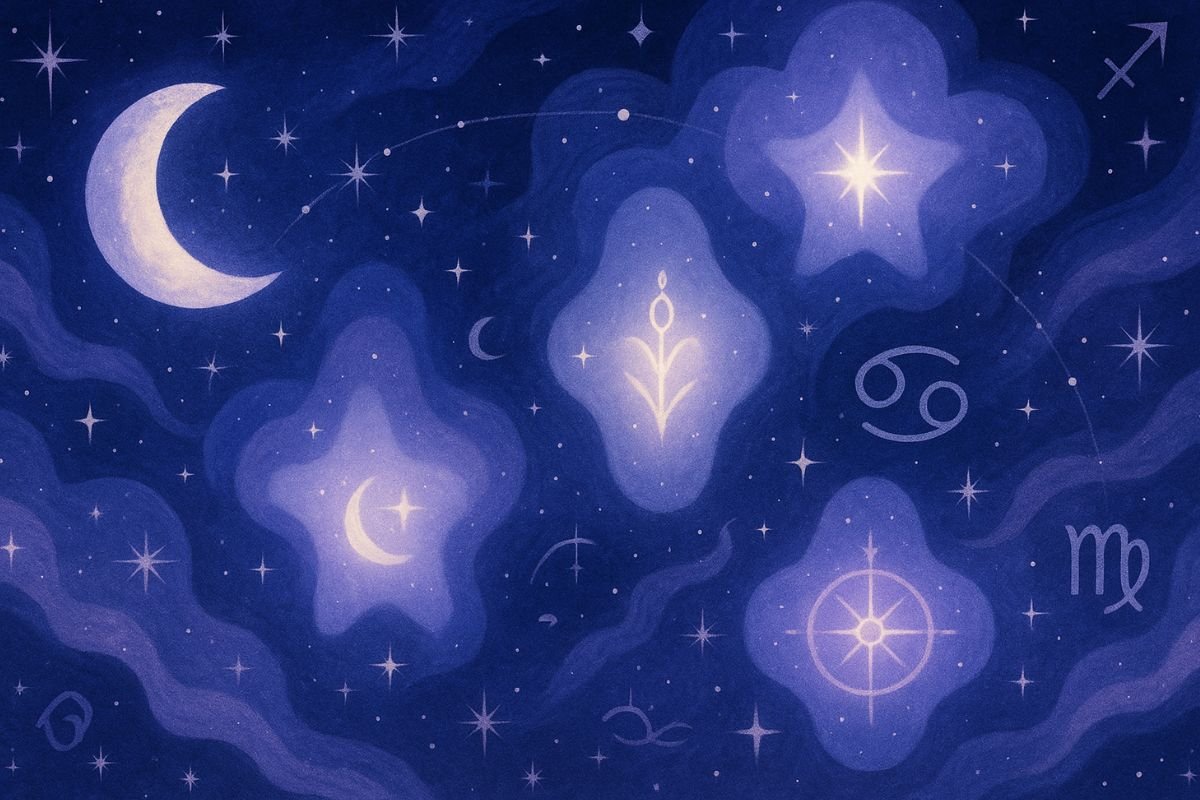
Nakshatra roughly means star map. The sky is divided into 27 neat segments of equal size. The Moon travels through each of these segments in about a day. Because the Moon rules emotion, memory and instinct, the Nakshatra it sat in at your birth becomes the blueprint for your internal world. Each Nakshatra has its own symbol, energy, ruling planet, ruling deity and four smaller quarters called padas. These padas act like tiny subrooms inside the main room. They add detail and shape how your Nakshatra expresses itself.
Why does your lunar address matter?
Your Nakshatra reveals the part of you that reacts before you think. It speaks to your emotional style, your soft spots, your strengths and your tendencies in love, work and family life. It also influences your Dasha periods, the planetary cycles that shape the timing of events throughout life. Nakshatras matter for:
- Personality understanding
- Career clarity
- Emotional compatibility
- Life timing through Dasha cycles
- Remedies and spiritual alignment
The story behind the Nakshatras and why it still matters
There is an old Vedic story about the Moon and the 27 daughters of King Daksha. These daughters are the Nakshatras. The Moon married all of them but became deeply attached to Rohini. The others felt overlooked, and their father, angered by the imbalance, placed a curse on the Moon that caused his glow to fade. The gods intervened, and a softer decision was reached. The Moon would lose his light for part of the month, regain it later and visit each daughter with equal care.
This is not a tale about what actually happened. It is a blueprint. It explains why the Moon spends only a day or so with each Nakshatra before moving on, and why his light rises and falls and why our inner world also moves in cycles. It reminds us that emotions change, attention shifts, and harmony comes from balance. The Moon’s journey through the 27 daughters is simply the poetic foundation of the Nakshatra system we use today.
How to find your Nakshatra
You need your date, exact time and place of birth. An astrologer checks the Moon’s exact position at that moment. If you want a faster and more reliable method, simply ask Agastyaa on AstroSure.ai for your Nakshatra and a clear explanation of what it means for your emotional life, work and relationships. This is the simplest and most accurate way to find your lunar address.
Your quick guide to every Nakshatra
If you want to understand Nakshatras without getting lost in heavy detail, start here. These one-line portraits capture the spirit of each lunar mansion in the simplest possible way.
Ashwini: Fast, brave, healing spirit
Bharani: Intense, determined, transformative
Krittika: Sharp clarity, strong will, protective
Rohini: Creative, nurturing, magnetic
Mrigashira: Curious, restless, thoughtful
Ardra: Intense growth, emotional courage
Punarvasu: Renewing, gentle, adaptable
Pushya: Nurturing, steady, supportive
Ashlesha: Perceptive, strategic, mysterious
Magha: Proud, ancestral, leadership focused
Purva Phalguni: Charming, artistic, pleasure-loving
Uttara Phalguni: Responsible, loyal, community-minded
Hasta: Skilled hands, communicative, clever
Chitra: Artistic, striking, creative builder
Swati: Independent, airy, persuasive
Vishakha: Driven, ambitious, focused
Anuradha: Loyal, disciplined, relationship-oriented
Jyeshtha: Authoritative, protective, intense
Mula: Truth seeking, bold, dismantling
Purva Ashadha: Confident, expressive, enthusiastic
Uttara Ashadha: Principled, steady, achievement-oriented
Shravana: Attentive, wise, listener
Dhanishta: Rhythmic, prosperous, social
Shatabhisha: Healing, analytical, private
Purva Bhadrapada: Intense, idealistic, spiritual
Uttara Bhadrapada: Calm, deep, enduring
Revati: Gentle, kind, guiding
These are hints, not boxes. Your full chart adds context, but these lines catch the heartbeat of each lunar mansion.
Using your Nakshatra in daily life

Your Nakshatra is not just a description. It is a practical guide for everyday choices when you know how to read it. Here are a few simple ways your Nakshatra can shape real choices in daily life:
- Career alignment: Your Nakshatra highlights the environments where your natural energy feels at home, whether that is nurturing work like healthcare or teaching, creative fields like design or storytelling, or investigative roles such as research and technology. When your work matches your inner rhythm, growth comes more easily.
- Relationship clarity: Every Nakshatra has its own emotional pace and style, which is why some partnerships feel instantly comfortable and others require more patience. Knowing your lunar address helps you understand what you need from closeness and how you instinctively respond to love, conflict and connection.
- Emotional awareness: Your Nakshatra shows the patterns you fall into without thinking. Once you recognise those patterns, you begin to understand your triggers, your comforts and the moods you cycle through. This makes it easier to respond consciously rather than react automatically.
- Decision making: When you know your Nakshatra’s strengths and blind spots, choices feel less confusing. You can make decisions that support your nature instead of working against it, whether that means choosing a calmer path, a creative challenge or a deeper responsibility.
- Personal growth: Each Nakshatra carries a lesson. Some teach discipline, some teach expression, some teach balance or courage. Understanding this guiding theme helps you grow in a direction that feels authentic rather than forced.
Your Nakshatra is a quiet map of your inner world. It reveals the patterns you return to, the instincts you follow and the emotional rhythm that guides you even when you are not aware of it. When you understand this rhythm, life becomes less of a struggle against yourself and more of a steady movement toward what suits you. It gives you language for your reactions, compassion for your flaws and confidence in the choices that feel right without needing explanation.
Ask Agastyaa on AstroSure.ai to reveal your Nakshatra and guide your path
Frequently Asked Questions about Nakshatras
1. What is a Nakshatra?
A Nakshatra is one of the 27 lunar mansions the Moon passes through. It describes emotional and instinctive traits.
2. Which Nakshatra is the most auspicious?
Pushya is considered highly auspicious for its nurturing quality, though each Nakshatra has strengths.
3. Are Nakshatras more important than zodiac signs
A They are not more important. They are more detailed. Together, they give a clearer picture.
4. Can Nakshatras help with relationships?
Yes. They explain emotional compatibility and how two people respond to life together.
5. Can Nakshatras show career direction
Yes. Each Nakshatra leans toward certain talents and instincts that influence career success.
Want personalised cosmic guidance?
Download AstroSure and chat with Agastyaa AI for insights tailored to your birth chart.
Download AstroSure