Not a Coincidence: The reason why Agastya Nanda’s Ikkis releases on Jan 1, 2026
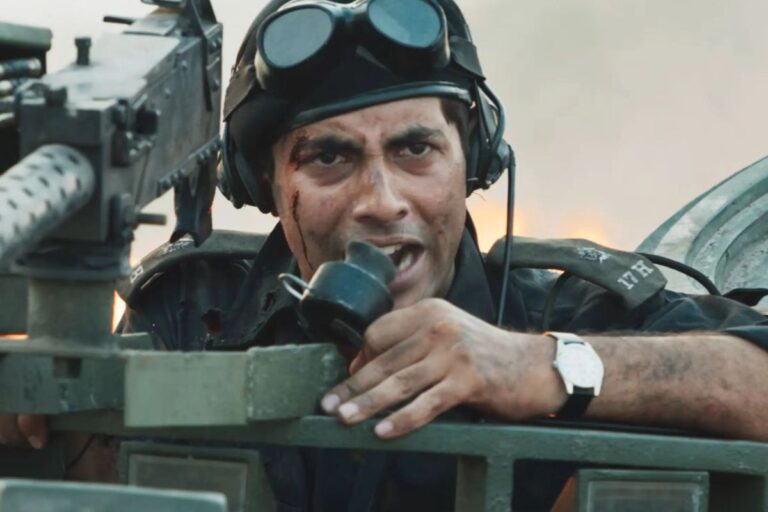
You look at a January 1st release and think, ‘Okay, standard New Year strategy.’ It’s clean, it’s fresh, and it makes sense. But if you look a little closer at Ikkis, you realise this is all about energy. We are not just walking into 2026 with this film; we are kicking the door down.
Astrologically, this date does not signal a soft ‘fresh start’. It marks the beginning of a massive momentum cycle. That distinction changes the whole vibe. It tells us that for Agastya Nanda, the star of the film, this project is not an experiment to see what sticks. It is something bigger. The planetary alignment favours bold, unapologetic visibility and the kind of impact that lingers long after you leave the theatres. So, why does this specific date pack such a punch? Here is exactly what the stars are activating:
Why the Ikkis Release Date Astrology Signals Momentum
The biggest astrological clue lies in concentration. The January 1, 2026, is not scattered or conflicted. It is forceful and focused. A heavy Sagittarius stellium involving the Sun, Mars, Venus, and Mercury creates a single dominant narrative current. When multiple personal planets cluster in one sign and nakshatra zone, outcomes tend to be decisive rather than lukewarm. Films released under such skies rarely slip by unnoticed. They either assert themselves strongly or provoke strong reactions. Both outcomes serve an action-led film well. Sagittarius energy is about expansion, courage, and direction. Releasing Ikkis under this influence suggests the film wants to arrive loudly, with confidence, and with a clear sense of identity.
Mars, Action and Why Force Becomes the Recall Point
Mars plays a crucial role in the astrology behind Ikkis. Positioned in Sagittarius and closely aligned with the Sun and Venus, Mars injects velocity and physical confidence into the release phase. This supports fast pickup in visibility. It also encourages heroic framing with clear protagonist and antagonist polarity. For an action film, this is strategic. The audience does not have to search for meaning. The energy meets them head-on. Under such skies, action sequences tend to become the primary recall factor. People remember the movement, the confrontation, and the physicality rather than getting lost in overanalysis. This reduces the risk of the film being dismissed as either too heavy or too experimental. In simple terms, astrology supports excitement over fatigue.
Audience Response That Builds Instead of Burning Out
One of the most stabilising elements in the Ikkis release date astrology is the Moon exalted in Taurus, specifically in Rohini. This placement matters because it governs audience reception. An exalted Moon brings emotional steadiness. Even if the film is intense or polarising, audience reactions are unlikely to be erratic. Rohini is associated with growth after launch, not just opening-day buzz. This suggests word-of-mouth that builds gradually rather than peaking and crashing. Practically, this means Ikkis may perform better in its second and third legs than early trade predictions suggest. Scenes, dialogues, and action moments are likely to circulate beyond theatres, extending the film’s life through memory and reference.
Longevity Over a Friday to Sunday Story
Another important factor is Jupiter retrograde in Gemini, strongly activated through multiple planetary rulerships. Retrograde Jupiter does not deny success. It delays full valuation. This is the kind of placement that indicates conversations evolving. Early reactions may underestimate staying power. Perceptions improve as people revisit scenes, performances, and themes. This supports the idea that Ikkis is less likely to be a quick weekend phenomenon and more likely to become a reference point when discussing Agastya Nanda or the action cinema of this phase. Longevity matters more than instant validation here.
Agastya Nanda’s Arrival Under Pressure, Not Protection
From a career astrology perspective, this is not a protective chart. It is a testing one. Mars closely tied to the Sun pushes Agastya into public visibility where screen presence, physical authority, and conviction become non-negotiable. This chart does not allow invisibility. Even sceptical critics are likely to acknowledge intent, even if they debate execution.
This kind of creates pressure, but it also accelerates growth. The Jupiter Mercury axis suggests an iterative learning curve. Feedback shapes refinement. Each project adds visible maturity. Audiences often invest more deeply in actors whose evolution they can see unfolding in real time. Indifference is unlikely. Debate, on the other hand, becomes fuel.
Digital Traction and Youth Amplification
Rahu’s strength in Aquarius adds a distinctly contemporary edge to the film’s trajectory. This placement often brings digital traction, meme culture, and youth-driven amplification. Rahu does not always bring comfort, but it brings relevance. Polarisation can occur, but so does visibility. Clips, dialogues, and moments are more likely to be circulated online, keeping the film alive in cultural conversation even beyond theatrical runs. For a film-old actor, this kind of traction matters. It positions them not as a fleeting curiosity but as someone embedded in the current cultural moment.
The Bigger Industry Context of 2026 and Beyond
Saturn and Neptune in Pisces indicate that the industry itself is redefining heroism and narrative depth. This is a period where endurance matters more than hype. Actors launched under this backdrop who show discipline and willingness to evolve tend to last longer than those who chase instant perfection. For Ikkis, this suggests the film’s true value may lie less in numbers and more in positioning. Retrospectively, it may be remembered as the film that announced intent. Not the final word, but the first clear sentence.
Why January 1, 2026, Works Strategically
The choice of early January places Ikkis at the start of a powerful momentum cycle. Instead of gradually finding its audience, the film is likely to announce itself decisively. Historically, this window supports strong first impressions and fast-forming narratives. Conversations move quickly from whether a film works to how far it can go. That shift is crucial for a debut. Combined with the astrological concentration present on this date, the release supports impact over caution and assertion over testing.
When you put all the pieces together, the Ikkis release date astrology tells a clear story. This is not a film seeking quiet approval. It is a film stepping into the year with force, clarity, and the willingness to be tested publicly. For Agastya Nanda, it marks an arrival under pressure. One that invites conversation, scrutiny, and long-term attention. Remember that in astrology, beginnings set the tone. And this beginning is anything but accidental.
Ask Agastyaa on AstroSure.ai how your personal timing influences decisions and outcomes
Want personalised cosmic guidance?
Download AstroSure and chat with Agastyaa AI for insights tailored to your birth chart.
Download AstroSure