Indian New Year Festivals 2026: Gudi Padwa, Ugadi, Puthandu, Vishu and More
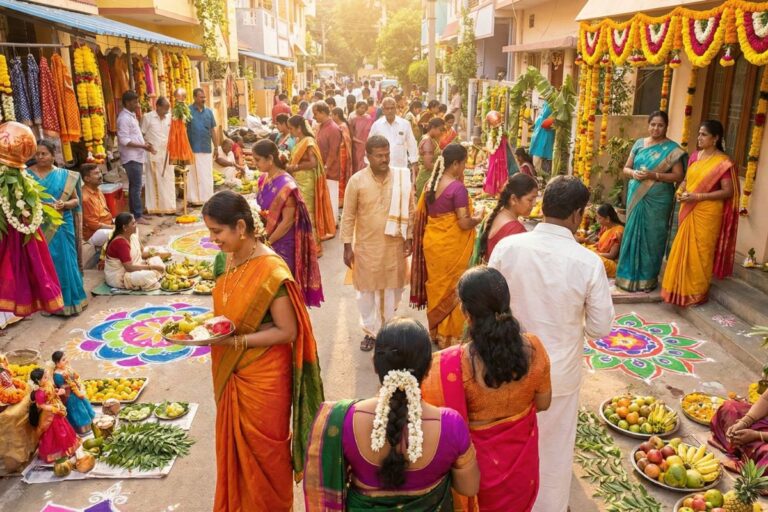
For most of us New Year falls on January 1st with all the parties, fireworks and countdown. But in India, the real party often starts a bit later, right when nature decides to wake up. We are talking about the Indian New Year festivals. In 2026, we have this beautiful lineup of celebrations happening in March and April. It is the fresh smell of mangoes, the bright yellow flowers, and that feeling that everything is starting fresh. Let’s break down what’s happening, why it matters, and how you can join in the vibe—even if you’ve never celebrated before.
Why Do We Have So Many New Years?
You might be wondering, ‘Why isn’t everyone celebrating on the same day?’ It all comes down to how we count time. While the modern world follows the solar calendar (based on the sun), many Indian traditions follow the lunisolar calendar (based on the moon and sun).
- People in Maharashtra, Karnataka, and Andhra Pradesh celebrate when the moon starts a new cycle in March.
- People in Tamil Nadu, Kerala, and Punjab wait for the sun to enter a specific zodiac sign (Aries) in April.
Basically, everyone agrees spring is the time to restart, they just have slightly different ways of timing it.
Also read: Chaitra Navratri 2026: Dates, Ghatasthapana Time
March 19, 2026: The Moon Celebrations
Mark this date! On Thursday, March 19, 2026, a huge chunk of India hits the reset button.
Gudi Padwa (Maharashtra): If you are in Maharashtra, you will see bright, colourful flags popping up on windows and balconies. This is Gudi Padwa. The ‘Gudi’ is a bamboo stick decorated with a bright cloth, neem leaves, and a silver or copper pot turned upside down, symbolising victory and success. The day starts with a special prasad made of neem leaves mixed with jaggery. It is bitter and sweet at the same time. The lesson behind this is simple: life will have sad moments (bitter) and happy moments (sweet), and we are ready to handle both. For Gudi Padwa 2026, the vibe is all about cleaning out the old clutter, both in your house and your head, and inviting prosperity in.
Ugadi (Andhra Pradesh, Telangana, Karnataka): On the same day, people in the southern part of India celebrate Ugadi. The name literally translates to ‘The Beginning of a New Age.’ The star of this festival is a dish called Ugadi Pachadi. It is a chutney that combines six different tastes:
- Sweet (Jaggery) = Happiness
- Sour (Tamarind) = Challenges
- Bitter (Neem) = Sadness
- Tangy (Mango) = Surprise
- Spicy (Chilli) = Anger
- Salty (Salt) = Fear
This prasadam is considered to be a balanced and positive way to start fresh. Eating Ugadi Pachadi signifies that you are ready for whatever the new year brings.
April 14, 2026: The Sun Celebrations
Fast forward a few weeks to April 14, 2026. Now the sun is making its big move, and the celebrations shift to Tamil Nadu, Kerala, and other regions.
Puthandu (Tamil Nadu): This is the Tamil New Year. The main idea here is that how you start the day determines how the rest of the year goes for you. People set up a tray the night before with mangoes, bananas, jewellery, money, and flowers. The goal is to wake up, keep your eyes closed, walk to the tray, and open your eyes to see abundance first thing in the morning. You will definitely eat Mango Pachadi here too. It is similar to the Ugadi tradition, mixing sweet, sour, and bitter flavours to remind us that life is a mix of everything.
Vishu (Kerala): If you love the colour gold, you will love Vishu. It is celebrated in Kerala and is famous for the Vishu Kani (which means ‘that which is seen first’). Malayali families arrange a stunning display with yellow cucumber, yellow fruits, gold coins, and the bright yellow Konrai flowers that only bloom in summer. Elders give money (called Kaineetam) to the younger kids, which is basically the best part of the day if you are a teenager! Afterwards, everyone sits down for a massive vegetarian feast served on a banana leaf. It is a sight of pure joy.
Let’s Talk About the Astrology
Think of the zodiac like a circle. Aries is the very first sign of the zodiac. In Western astrology, the Aries season starts in late March and in Indian astrology, we look at where the sun actually is in the sky, which happens around mid-April. Basically, during the Indian New Year 2026 in April (Puthandu and Vishu), we are celebrating the sun entering Aries. Aries is the baby of the zodiac. It represents energy, fire, and starting something new. That is why these festivals feel so energetic and hopeful. It is like the universe is giving us a green light to chase our goals.
Other Festivals You Should Know
Many other festivals celebrate the Indian New Year across the country besides the ones we discussed above. Around April 13th and 14th, the party is everywhere:
- Baisakhi (Punjab): A massive harvest festival with dancing, music, and great food.
- Poila Boishakh (West Bengal): The Bengali New Year, known for singing, cultural programs, and wearing new clothes.
- Bohag Bihu (Assam): A week-long festival with folk dances and feasts.
So, How Can You Celebrate?
Even if you don’t have a specific tradition, you can still tap into this energy.
- Clean Your Space: Think of this just like doing spring cleaning. Clear out the junk and stuff that you do not need. A clean room equals a clear mind.
- Eat Something Sweet and Bitter: Try a piece of dark chocolate or a sour candy. Remind yourself that life is a mix, and that’s okay.
- Set an Intention: Instead of a strict resolution, just ask yourself: How do I want to feel this year?
Also read: Papamochani Ekadashi 2026
Whether you are looking forward to Gudi Padwa 2026 in March or waiting for the sun to shift for Puthandu in April, remember that you get a fresh start whenever you need one. Happy New Year(s)!
Ask Agastyaa what fresh start energy 2026 brings for you based on your birth chart
Frequently Asked Questions About Indian New Year Festivals
1) When is Indian New Year in 2026?
India doesn’t have one single New Year date. In 2026, many regions celebrate the New Year on March 19 (Gudi Padwa, Ugadi), while others celebrate around April 14 (Puthandu, Vishu and more). Different calendars create different New Year days.
2) Why does India have different New Year dates in March and April?
Some traditions follow a lunar or lunisolar calendar (moon-based), which brings the New Year in March. Others follow a solar calendar (sun-based), which marks the New Year when the Sun enters Aries in mid-April. Same spring reset idea, different times.
3) Which states celebrate Ugadi and which celebrate Gudi Padwa?
Ugadi is mainly celebrated in Andhra Pradesh, Telangana, and Karnataka. Gudi Padwa is mainly celebrated in Maharashtra (and parts of Goa). Both are New Year festivals, just in different regions and with different rituals.
4) What is the difference between Ugadi and Gudi Padwa?
They often fall on the same date, but traditions differ. Gudi Padwa focuses on raising the Gudi (victory flag) and starting the year with a bitter-sweet neem-jaggery taste. Ugadi highlights Ugadi Pachadi, a mix of six tastes symbolising the full range of life.
5) What is the difference between Puthandu and Vishu?
Both happen around April 14, but they are different festivals. Puthandu is the Tamil New Year, known for seeing an abundance tray first and eating Mango Pachadi. Vishu is Kerala’s festival, known for Vishu Kani (first sight arrangement) and Kaineettam (gifting money).
Want personalised cosmic guidance?
Download AstroSure and chat with Agastyaa AI for insights tailored to your birth chart.
Download AstroSure