Is Breaking Glass Good Luck or Bad Luck? The Superstition Explained
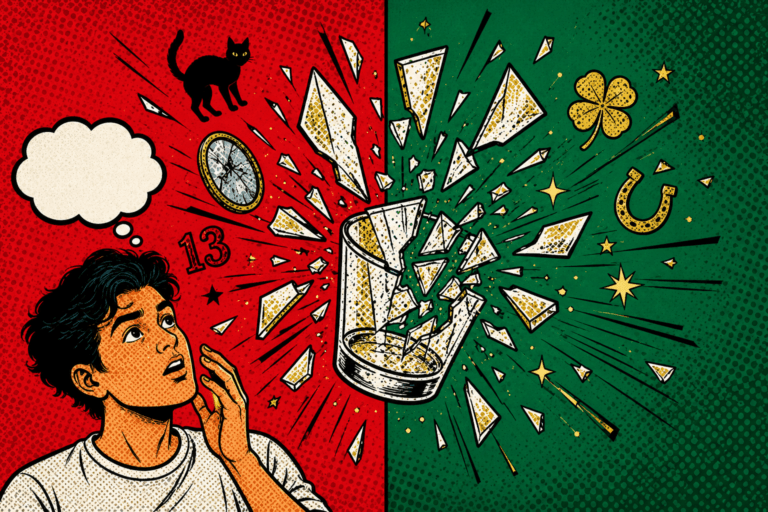
If you smash a plate at a Greek wedding, the crowd cheers. If a groom steps on a wine glass at a Jewish ceremony, people shout in celebration. However, if a water tumbler slips from your hand during a quiet family dinner, the room often goes dead silent. An older relative might quickly mutter something about an incoming disaster. How did the same action become a symbol of both joy and absolute doom? People constantly ask, is breaking glass good luck or bad luck? The truth is that human history has never agreed on the answer. Indeed, the broken glass superstition is full of contradictions because the meaning changes based on the context. Therefore, to figure out if it is a blessing or a warning, you have to look past the mess on the floor and understand what the tradition actually says.
Key Takeaways
- Breaking glass does not always carry the same meaning. The context, timing, and object that breaks all matter in traditional beliefs.
- Many cultures see broken glass as a sign of new beginnings. Meanwhile, others treat it as a reminder to slow down and pay attention.
- Vedic traditions encourage looking beyond luck and asking what the moment is trying to teach you.
- Instead of fearing broken glass, use it as a chance to pause, reflect, and move forward with greater awareness.
Why Breaking Glass Means Different Things Around the World

Humanity has never shared a single view on shattering glass. In some cultures, breaking things is a deliberate, joyful act. For instance, at a Jewish wedding, the crushed glass seals a marriage that cannot be undone. This is just as the shards cannot be put back together.
In Russia, empty wine glasses are thrown and smashed after important toasts to mark the start of a fresh era. During the Chinese New Year, selectively breaking glass is a way to discard the old year. This is often paired with a phrase that cleverly uses the similar sounds for broken pieces and peace.
However, travel to other parts of the world, and the narrative completely flips. Western cultures inherited the ancient Roman belief that breaking a mirror brings seven years of misery. Furthermore, in Bengali and various South Indian households, a glass breaking during a meal is seen as inauspicious.
The secret to making sense of this global contradiction lies in Vedic philosophy. Consequently, Indian traditions offer a very practical framework for reading these everyday accidents.
The Vedic Framework: Decoding the Pieces
To understand the spiritual meaning of breaking glass, the Vedic tradition does not just give a simple yes or no answer. Instead, it asks three specific questions to evaluate the event.
1. Was It Intentional or Accidental?
Intention changes the entire reading. Deliberately breaking something, like cracking a coconut at a temple or stepping on a glass at a wedding, is a consecrated act. You are using a structured ritual to release energy in a controlled, safe way.
Conversely, an accidental drop is read differently. The accident itself is the message. In yogic understanding, accidents are rarely random. They are usually physical symptoms of an internal shift.
Your nervous system is slightly off, or your environment is vibrating differently. As a result, the dropped glass is just the physical proof that your normal flow got interrupted.
2. What Exactly Shattered?
Not all glass holds the same energetic weight in your daily life.
- Mirrors: These are the most heavily loaded objects. Mirrors reflect your soul, or atman. Breaking a mirror is jarring because you are fracturing a symbolic representation of yourself.
- Drinking vessels: These are tied to prana, the life force that enters your body through food and water. This is why glass breaking during a meal is considered unlucky. It suddenly disrupts the sacred intake of nourishment and your household’s emotional stability.
- Window glass: Windows act as the boundary between your safe indoor space and the outside world. Therefore, a broken window suggests a crack in your home’s protective field.
- Everyday glassware: An ordinary tumbler breaking on a random Tuesday carries the least weight. It is usually just a minor disruption that means nothing at all.
3. When Did It Happen?
Timing provides the final clue. If a glass breaks right before you leave for a major trip or a big business meeting, the tradition reads it as a warning from the universe to pause and double-check your plans.
If it breaks during a heated argument, it is simply the heavy emotional tension in the room manifesting into physical reality. Astrologers also pay close attention to the sky when things start breaking around the house. Mercury governs small household objects and communication tools.
Right now, Mercury is retrograde from June 29 through July 24, 2026. During this specific window, things tend to drop, snap, and shatter much more frequently. If an old, long-held item finally snaps, Saturn is signalling that the era it represented is over. If things break during a fight, you are dealing with Mars energy.
Why Destruction Can Be a Blessing
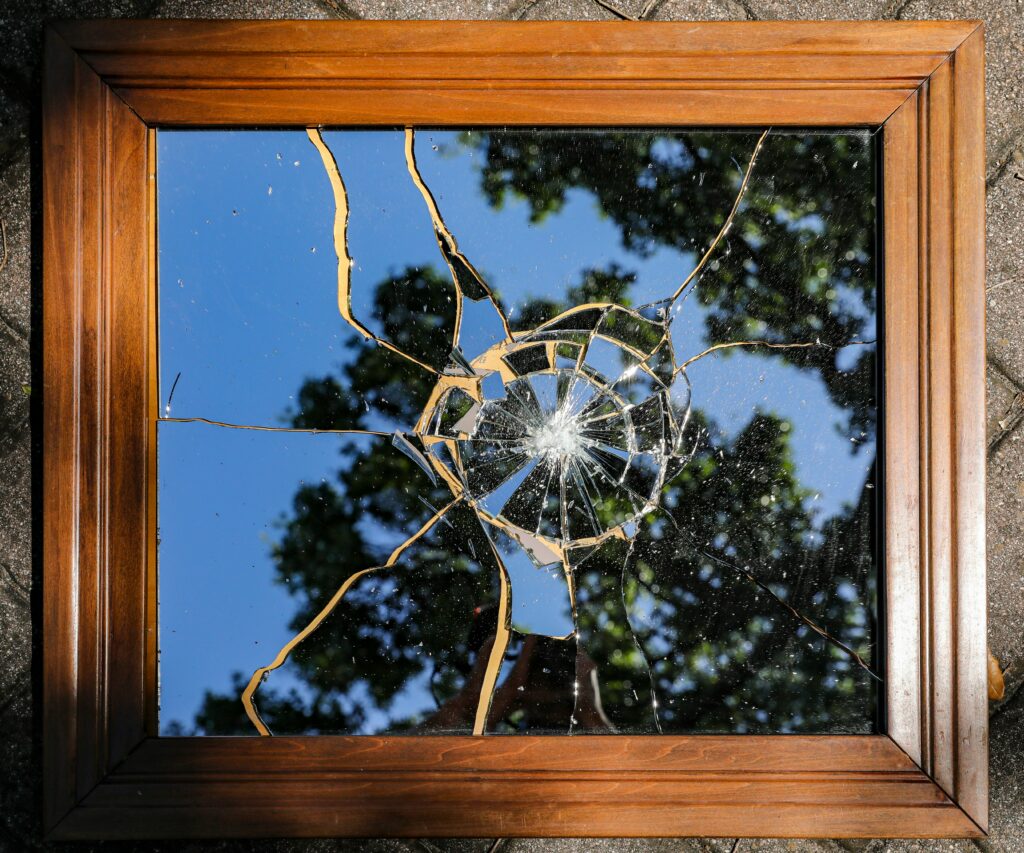
There is a very different, positive way to look at this. Many ancient traditions view accidental breakage as a stroke of incredible luck. Objects in your house are like energetic sponges. A glass that sits on a tense dinner table or in a stagnant room absorbs the mood of the household over time. When that negative energy reaches a critical level, the object simply shatters to release it. In this view, the object took a hit so your family didn’t have to. Therefore, it is bad energy leaving your home. People often ask, is breaking a mirror good luck? While rare, if a mirror breaks in a highly toxic environment, some texts see it as the house finally removing that built-up negativity. Furthermore, the sharp, sudden sound of shattering glass acts like a cosmic alarm clock. Just like ringing a heavy brass bell in a temple, a loud noise instantly cuts through and clears stagnant energy in a room.
What to Do When Glass Breaks
The next time something slips from your grip, the wisest response is not to panic or curse. Instead of worrying about luck, follow these practical traditional steps:
- Notice your emotional state: Were you rushing? Were you angry? Use the breakage as a reminder to cool down. Clean it up with attention, thanking the object for its service to your home.
- Handle meal disruptions calmly: If a glass shatters while you are eating, simply take a breath, sweep up the mess, and finish your food. It is just a reminder to honour your nourishment.
- Dispose of mirrors respectfully: If you end up breaking a mirror, the traditional Vedic remedy is to carefully gather all the shards, wrap them securely in a piece of cloth, and dispose of them outside the home. You can quietly recite a short Ganesha mantra as you do this to clear any obstacles.
- Honour the pause: If a glass breaks right before a big journey or an important decision, just wait five minutes. You do not have to cancel your plans, but you should respect the delay.
The Real Meaning Behind Breaking Glass
Asking if breaking glass is good luck or bad luck is ultimately the wrong question. Modern life has trained us to ignore our physical environments entirely. We stare at screens, rush through our routines, and remain completely detached from the physical spaces we live in.
A shattered glass is just a prompt. It is the universe providing a small, sharp noise to snap you back into the present moment. The pause you take to get the broom and sweep the floor is the actual spiritual practice. Indeed, the broken glass was just the bell calling you to pay attention.
Curious what everyday signs could mean for you?
Ask Agastyaa, download AstroSure and get 4 questions free.
Breaking Glass Superstition FAQs
1. Is breaking glass a good sign or a bad sign?
Different traditions interpret it differently. Some see broken glass as a sign of protection or a fresh beginning, while others believe it is a reminder to slow down and pay attention before moving forward.
2. Is breaking a mirror really considered unlucky?
Many cultures associate broken mirrors with bad luck because mirrors symbolically represent reflection and identity. In Vedic traditions, the focus is less on punishment and more on respectfully clearing the space after the mirror breaks.
3. What should you do after breaking glass at home?
Clean up the broken pieces carefully, stay calm, and avoid reacting with fear. Some people also say a short prayer or mantra before disposing of the glass, especially if it is a mirror.
4. Why do people believe objects can absorb energy?
Many traditional belief systems suggest that everyday objects are influenced by the environment around them. While this is a spiritual idea rather than a scientific one, it explains why some cultures attach symbolic meaning to breakage.
5. Does the time when glass breaks matter?
In many traditions, yes. Glass breaking before an important journey, during an argument, or at a significant life event is often interpreted differently from an everyday accident.
Want personalised cosmic guidance?
Download AstroSure and chat with Agastyaa AI for insights tailored to your birth chart.
Download AstroSure