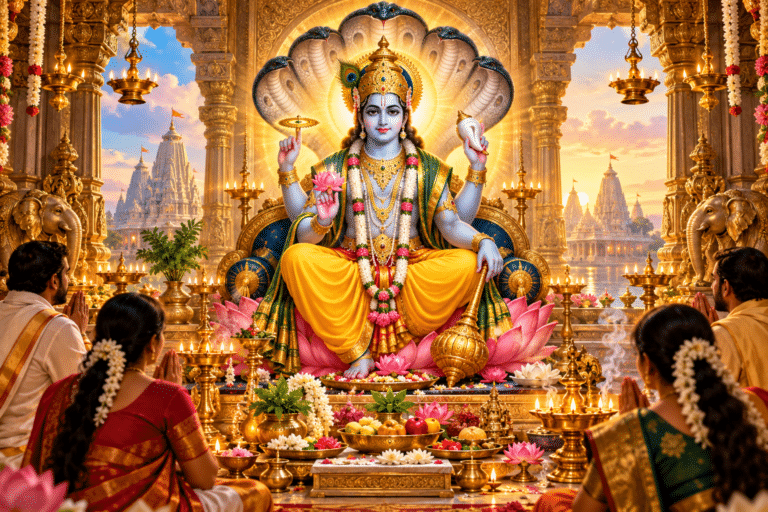
Mahashivratri 2026: What to offer Lord Shiva and why each offering matters
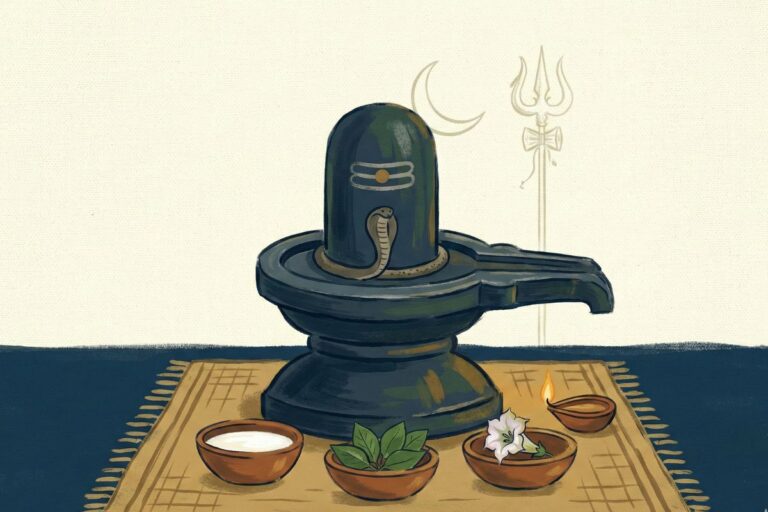
Mahashivratri 2026 is one of those nights where devotion alone is not enough. Shiva worship is precise. Many devotees follow tradition with sincerity, but they may not experience the intended completeness of the ritual due to a few small, avoidable mistakes. Certain offerings reduce the effectiveness of worship, while others quietly complete it. This is why knowing what belongs on the Shivling and what does not becomes important on this night. Here is what should be offered, what must be avoided, and why each rule matters.
Why Correct Offerings Matter On Mahashivratri 2026
Mahashivratri is observed on February 15, 2026. Scriptures say that this is a night of disciplined observance. Shiva worship follows rules rooted in renunciation and restraint. Incorrect offerings are not believed to anger Shiva, but they are traditionally thought to reduce the ritual’s completeness. Precision matters because this puja is about correctness.
Also read: Mahashivratri 2026 date and puja rules
What To Offer Lord Shiva On Mahashivratri
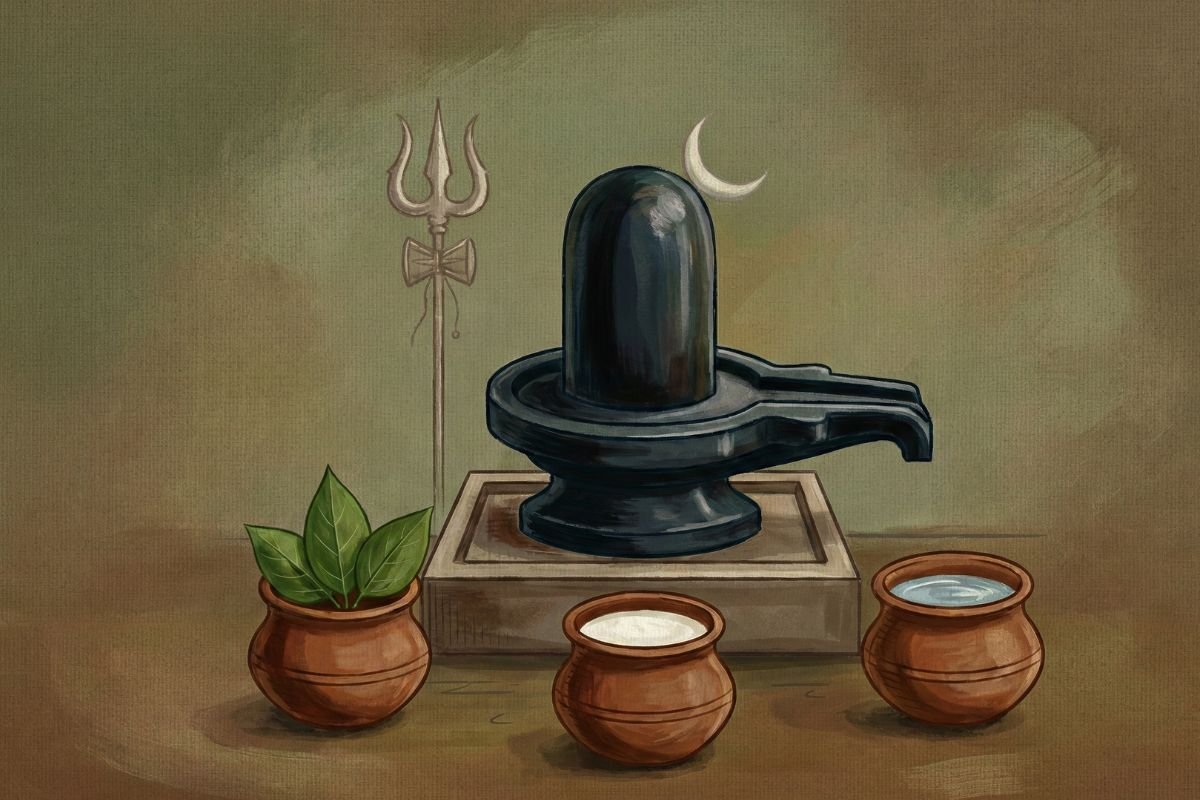
- Bel Patra: Always use fresh, unbroken, three-leafed Bel leaves. They symbolise the surrender of the three gunas and are central to Shiva worship.
- Raw Milk: Use pure, unboiled milk for abhishek. It represents cooling and balance, both associated with Shiva.
- Ganga Water: Gangajal is offered for purity and ritual completeness.
- Datura and Bhang: These are traditionally linked with Shiva’s ascetic nature and are offered to reduce suffering.
- White Sandalwood Paste: Chandan is applied for calmness and ritual purity.
- Akshat: Only whole, unbroken rice grains should be used, as broken rice makes the puja incomplete.
Items Traditionally Avoided in Shivling Worship
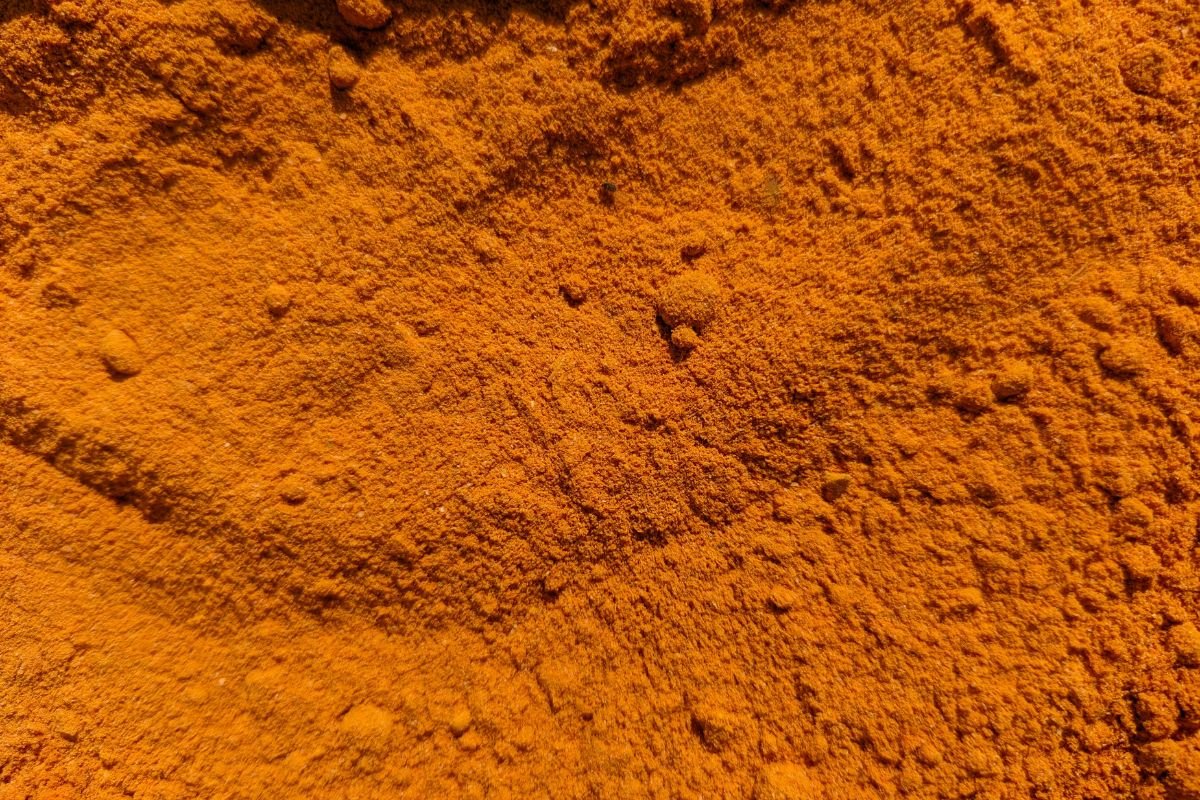
- Turmeric and Kumkum: Shiva represents detachment. These are symbols of marital adornment and are not offered to the Shivling.
- Tulsi Leaves: Tulsi is sacred to Vishnu and traditionally avoided in Shiva worship.
- Ketaki, Kaner, and Lotus Flowers: These are prohibited, as mentioned in Shiva Purana references.
- Water From A Conch Shell: The conch is not used due to its mythological association with Shankhachuda.
- Broken Or Damaged Shivling: Except for Narmadeshwar Shivlings, broken forms should not be worshipped.
Rules That Must Be Followed During Shivling Worship
- Parikrama Rule: Always perform only a half circumambulation. Never cross the jaladhari outlet.
- Vessel Rules: Use clean copper, steel, or silver vessels. Avoid iron or damaged containers for abhishek.
- Placement Rule: Offer items gently without touching the Shivling much.
Correct Way To Perform Shivling Abhishek On Mahashivratri
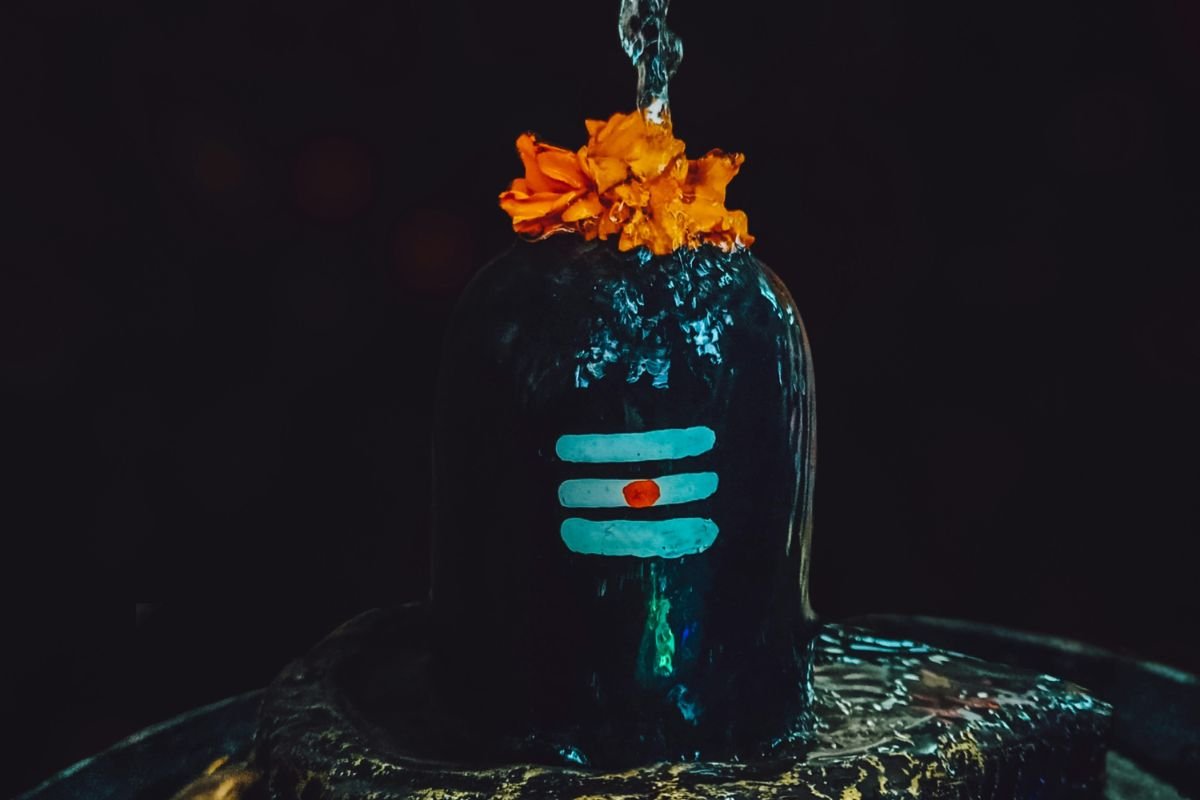
- Bathe and wear clean clothes before beginning
- Place the Shivling on a stable base with proper drainage
- Pour water or milk slowly, not forcefully
- Offer Bel Patra with the smooth side facing the Shivling
- Chant Om Namah Shivay and Shiv Tandav Strotam during abhishek
- Sit quietly for a few minutes after completion
Why These Rules Exist In Shiva Worship
Many items avoided in the Shiva puja symbolise attachment, decoration, or excess. The rules exist to maintain the renunciate nature of worship, where simplicity completes the ritual. Mahashivratri puja is not about adding more offerings. It is about doing fewer things correctly. When offerings are chosen carefully and rules are followed calmly, the ritual remains steady and complete, without unnecessary correction later.
Also read: Rudraksha benefits and spiritual significance
Ask Agastyaa on AstroSure.ai for clear Mahashivratri puja guidance
Frequently Asked Questions on Mahashivratri Shiva Puja
1. What should be offered to Lord Shiva on Mahashivratri?
Devotees traditionally offer Bel Patra, water, raw milk, Ganga water, white sandalwood paste, and whole rice grains to the Shivling on Mahashivratri. These offerings symbolise simplicity, cooling energy, and surrender, which align with Shiva’s ascetic nature.
2. What items should be avoided while offering puja to the Shivling?
Items such as turmeric, kumkum, Tulsi leaves, Ketaki flowers, and decorative offerings are traditionally avoided in Shivling worship. These items symbolise adornment or attachment, whereas Shiva worship focuses on restraint and renunciation.
3. Can milk, water, or honey be used together for Shivling abhishek?
Yes, milk and water are commonly used together for Shivling abhishek. Honey may also be offered by some devotees. The key is to pour liquids gently and avoid mixing too many substances at once, as simplicity is preferred in Shiva worship.
4. Why are Bel Patra considered essential for Shiva worship?
Bel Patra are considered essential because their three leaves symbolise the surrender of the three gunas. Offering fresh, unbroken Bel leaves is believed to complete the ritual and reflect devotion through simplicity rather than excess.
5. Is fasting mandatory on Mahashivratri for Shiva puja?
Fasting on Mahashivratri is a personal choice and not mandatory. Many devotees observe a fast as a form of discipline, while others follow light or sattvic meals. The focus remains on restraint, prayer, and mindful conduct rather than strict rules.
Want personalised cosmic guidance?
Download AstroSure and chat with Agastyaa AI for insights tailored to your birth chart.
Download AstroSure