Phalguna Amavasya 2026 Date: 5 simple rituals for emotional release

Phalguna Amavasya is the last Amavasya of the Hindu lunar year, and it is observed just before the Chaitra month begins. This day is linked to ancestors, closure, and settling unfinished emotional matters. In 2026, its importance increases because it falls on February 17 (Tuesday), forming Bhomvati Amavasya, along with a solar eclipse. This combination often creates confusion. People wonder what to do, what to avoid, and whether rituals should be performed at all. The answer is simple. Keep the day focused, restrained, and respectful. When you observe it in the correct manner, this Amavasya can help you to release lingering emotional weight connected to family and responsibility. So, let us look at the date, timings, and five simple rituals that work.
Solar Eclipse on Phalguna Amavasya 2026: What You Should Know

Phalguna Amavasya 2026 is different because it coincides with a solar eclipse, formed by the Sun and Moon together with Rahu. Our AI astrologer Agastyaa says that this creates a Grahan Amavasya, which is powerful but inward-focused. Emotionally, the day can feel mentally restless yet detached, making it unsuitable for new beginnings or important decisions. The eclipse supports release rather than initiation. Performing ancestral rituals, charity, restraint, and limited speech help you feel calm. This is a great day for letting go of old emotional patterns and mental burdens before the new lunar year begins.
If you feel unsure about tithi transitions or eclipse overlaps, AstroSure.ai’s ritual timing guidance helps clarify when to perform essential acts without confusion.
Also read: Holashtak 2026 dates and guidelines
Phalguna Amavasya 2026 Date, Tithi and Auspicious Timings
Phalguna, Krishna Amavasya
Begins at 5:34 pm on February 16, 2026
Ends at 5:30 pm on February 17, 2026
Preferred daytime periods on Tuesday, February 17:
- Labha Muhurat: 11:11 am to 12:35 pm
- Amrita Muhurat: 12:35 pm to 2:00 pm
- Shubha Muhurat: 3:24 pm to 4:48 pm
Morning hours are the best choice for performing ancestral rituals and fasting.
Why Phalguna Amavasya Matters for Emotional Release and What to Do

This Amavasya is associated with remembrance. Many of our emotional burdens are tied to unresolved family karma. Rituals you perform today help you heal these patterns and make you feel calmer, less reactive, and more settled.
1. Take a Purifying Bath Before: Take a bath at sunrise. It signals a pause before the day begins. It helps to reset mental clutter and creates emotional neutrality
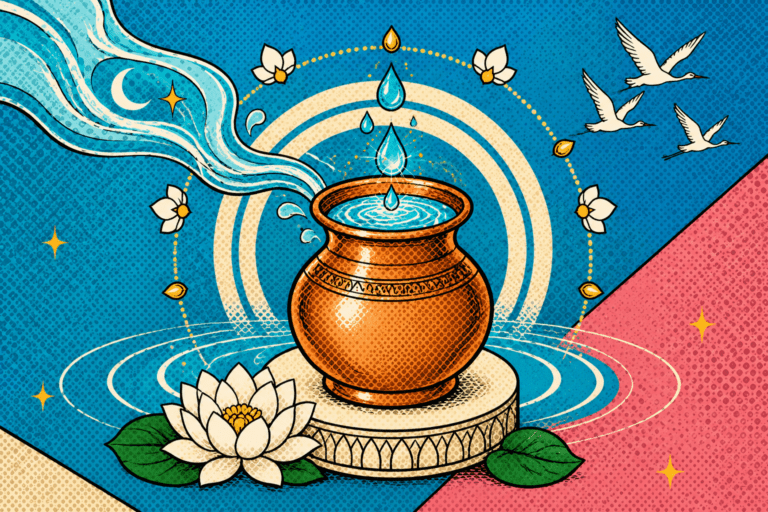
2. Perform Pitru Tarpan the Correct Way: Offer water from a copper vessel using the thumb side of the hand while remembering ancestors by name or lineage. Keep it brief and focused. It reduces unconscious guilt, family resentment, and emotional heaviness linked to obligation.
Listen to Amavasya Vrat Katha and Vishnu Chalisa during or after tarpan to maintain focus. You can explore more such grounding Soulchants on AstroSure.ai.
3. Do Something Charitable Before Noon: Offer food, grains, clothes, or a small donation without any expectations before noon. It symbolises letting go early, rather than carrying emotional or material weight throughout the day. Even feeding a cow, a bird, or someone in need is sufficient. It helps you to release emotional tightness andfeel lighter.
4.Light a lamp near a Peepal tree: Light a lamp near a Peepal tree or at home facing east. This ritual creates a sense of grounding and continuity, especially if you often feel emotionally unanchored.
5. Keep Silence for Clarity: Maintain silence for 5 to 30 minutes (whatever duration works for you) during the day. You can do this after your morning bath or after completing the pitru rituals. This ritual reduces mental clutter and helps you to clear unresolved emotions.
Phalguna Amavasya 2026: What Not to Do on This Day
- Avoid consuming tamasic food such as meat, alcohol, or intoxicants. These increase emotional agitation and restlessness on Amavasya.
- Do not cut or cause any damage to a Peepal tree. This is considered disrespectful to ancestral symbolism.
- Avoid arguments and harsh speech, especially with elders or family members. Emotional reactions linger longer on this day.
- Do not engage in celebratory or luxury-driven activities. This includes parties, entertainment-focused outings, or unnecessary purchases.
What You Gain by Observing This Amavasya Properly
Phalguna Amavasya is about completion. When observed with intention, you often notice reduced emotional carryover from the past year and better clarity moving into Chaitra. This day offers you a chance for one final reset before the new lunar cycle begins.
Also read: Narasimha Dwadashi 2026 date significance
Ask Agastyaa on AstroSure.ai to understand ancestral patterns and emotional release timing
Phalguna Amavasya 2026: Frequently Asked Questions
1. Is Phalguna Amavasya 2026 auspicious or inauspicious because of the solar eclipse?
Phalguna Amavasya 2026 is considered cautionary, not inauspicious. Because it coincides with a solar eclipse, new beginnings and celebratory activities are avoided. However, ancestral rituals, charity, restraint, and inner cleansing practices are traditionally allowed and considered effective.
2. Can pitru puja or tarpan be done during a solar eclipse?
Yes, you can perform pitru puja and tarpan on Grahan Amavasya. The key is to avoid outward, material-focused rituals. Simple offerings, remembrance, and prayers for ancestors are appropriate and commonly practised.
3. Is fasting compulsory on Phalguna Amavasya?
Fasting is not compulsory. You can observe a light or partial fast as a form of emotional and mental discipline. What matters more is simplicity, controlled habits, and respectful observance.
4. What is the significance of Phalguna Amavasya being the last Amavasya of the year?
Phalguna Amavasya marks the end of the lunar year, making it an important day for closure. It is traditionally seen as the final opportunity to release emotional baggage, settle ancestral duties, and prepare the mind for the new lunar cycle beginning with Chaitra.
Want personalised cosmic guidance?
Download AstroSure and chat with Agastyaa AI for insights tailored to your birth chart.
Download AstroSure