Pohela Boishakh 2026: Date, Meaning and Celebrations
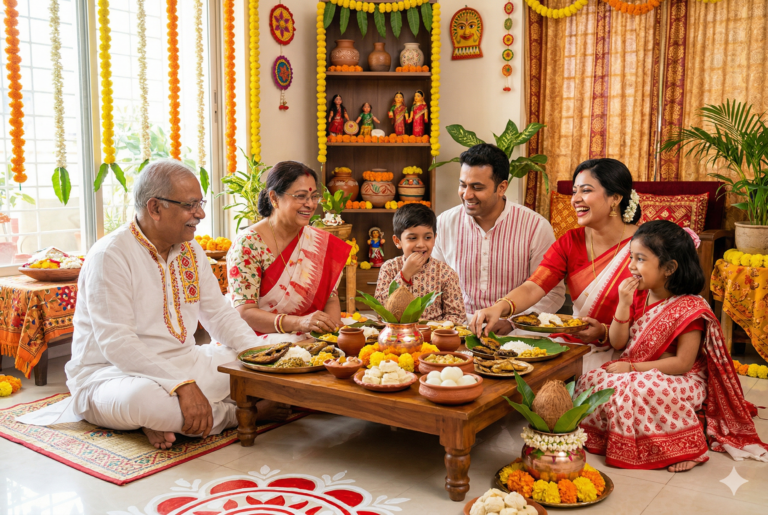
Pohela Boishakh is the first day of the Bengali calendar. It marks the start of the new financial and agricultural year for people in West Bengal, Assam, Tripura, and Bangladesh. This April 2026 festival focuses on starting fresh, closing old debts, and looking forward to a prosperous future. In this guide, we bring you the Pohela Boishakh 2026 date, the unique astrological climate this year, and Pohela Boishakh rituals you can follow to celebrate the day with clarity and joy.
Pohela Boishakh 2026 Date and Timings
The Bengali New Year officially begins when the sun transitions into Aries (Mesha Sankranti). This year, the Sankranti moment occurs on Tuesday, April 14, at 09:39 am and Pohela Boishakh 2026 date is April 15, 2026, Wednesday. This day also marks the beginning of the Bengali Era 1433. If you are planning to perform prayers or open new business accounts, it is helpful to know the specific time windows. Here is the complete Choghadiya (Auspicious timing guide) for April 15:
- Labha (Gain): 05:17 am to 06:52 am
- Amrita (Best): 06:52 am to 08:27 am
- Shubha (Good): 10:02 am to 11:37 am
- Labha (Gain): 04:22 pm to 05:57 pm
- Shubha (Good): 07:22 pm to 08:47 pm
- Amrita (Best): 08:47 pm to 10:11 pm
Also read: April 2026 Festival Calendar
Why Poila Baisakh 2026 is Special (Vedic Insight)
This specific new year carries a very distinct astrological energy. The planetary lineup shows that this day is very potent for an emotional reset. Here is the Vedic insight for Pohela Boishakh 2026:
- Sun exalted in Aries (Ashwini): This provides an extremely powerful new year energy. It is ideal for new beginnings and major financial decisions.
- Strong Pisces cluster: The Moon, Mars, Mercury (debilitated), and Saturn are all in Pisces. This indicates a need for emotional clarity before you take action.
- Mars + Saturn together in Pisces: This combination calls for disciplined, karmic actions instead of impulsive moves.
- Mercury debilitated: You will likely experience less logical planning and rely more on intuition-based decisions.
- Venus in Aries: This placement sparks fresh desires and sets new financial and relationship intentions for the year ahead.
The History and Meaning of the Festival
The history of the Bengali New Year Pohela Boishakh is closely tied to agriculture and tax collection. During the Mughal rule in India, Emperor Akbar used the Islamic lunar calendar to collect taxes. However, the lunar calendar did not align with the actual solar agricultural cycles. This meant farmers were often asked to pay taxes out of season. To solve this problem, Akbar commissioned a new calendar that combined the lunar system with the solar year. This created a standard, fair timeline for the harvest and tax season. Other historical records suggest the calendar actually dates back to 593 AD, starting with King Shashanka of the Gauda kingdom. Because of this historical timeline, the Bengali calendar year is 593 or 594 years behind the standard Gregorian calendar.
Pohela Boishakh Rituals
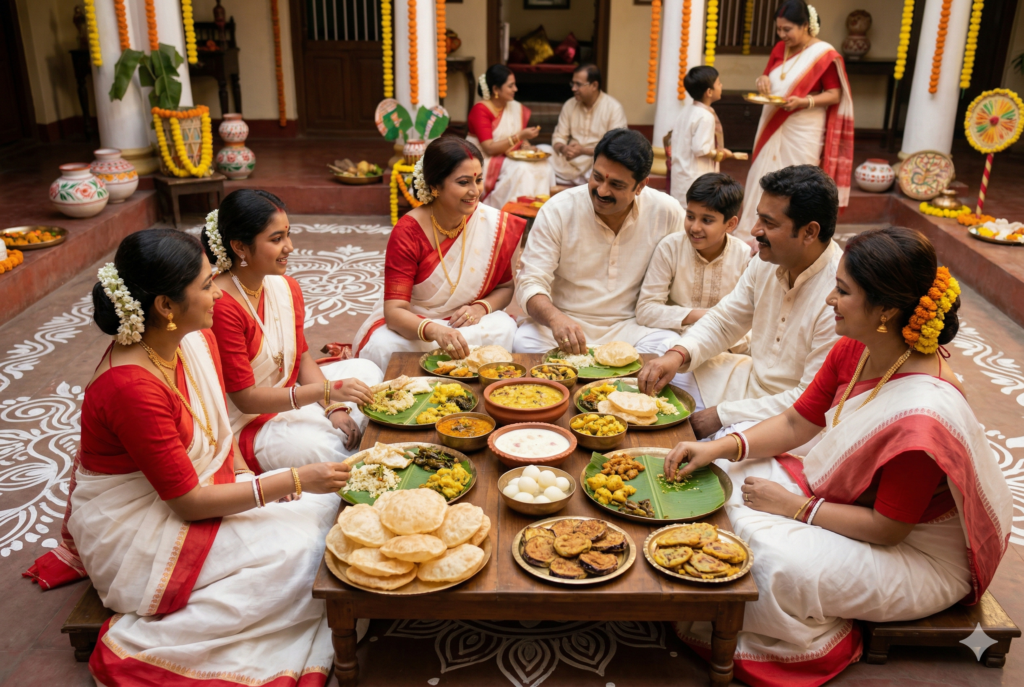
The traditions of Poila Baisakh are very simple to follow and they mainly centre around business, community, and food.
- Haal Khata (New Account Books): This is the most important business ritual. Shopkeepers and business owners close their old financial ledgers, clear all outstanding debts and open brand new, red-coloured account books called the Haal Khata. They invite their regular customers to the shop and offer them sweets to build goodwill for the new year.
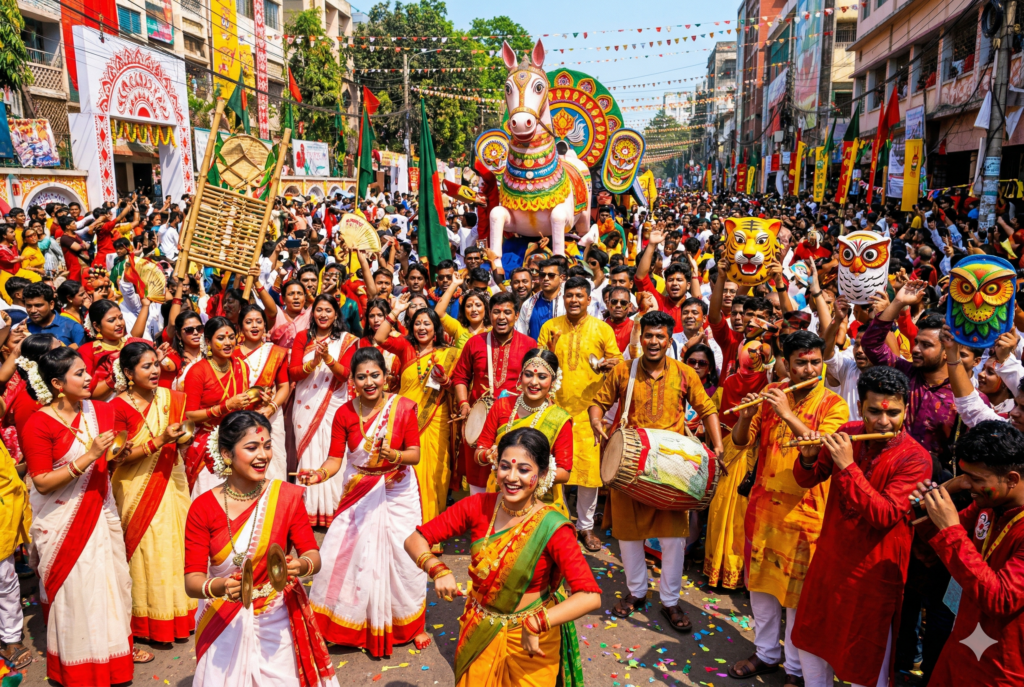
- Mangal Shobhajatra: In major cities like Kolkata and Dhaka, the day starts with a grand procession called the Mangal Shobhajatra. Students and artists walk together carrying large, painted masks and figures of local animals and birds. It is a public display of Bengali heritage and unity.
- Traditional Clothing and Food: People dress in traditional attire. Women typically wear white sarees with distinct red borders, while men wear simple Panjabis (Kurtas). Food is also a very important part of the day. Families prepare large meals with Luchi (fried flatbread), Cholar Dal, Aloor Dum, Beguni, and more, followed by classic sweets like Payesh and Rosogolla.
How to Celebrate Poila Baisakh at Home
You can easily celebrate Poila Baisakh at home by following these simple steps:
- Clean Your Home: Sweep and mop your entire house the day before. Removing physical dirt symbolises removing the negative energy of the past year.
- Wear New Clothes: Start the morning by bathing and wearing brand new attire. This represents a fresh, clean start.
- Settle Your Debts: If you owe money to friends or family members, make an effort to pay them back on this day to start the year with a clean financial slate.
- Cook a Traditional Meal: Prepare a classic Bengali Thali for lunch. Focus on regional dishes and make sure you have at least one sweet item.
- Exchange Greetings: Call your friends and relatives. Greet them by saying ‘Shubho Noboborsho,’ which means Happy New Year in Bengali.
Also read: Vaishakh 2026 (North India) Festivals
Other Indian Solar New Year Festivals
On this same day, the New Year is also celebrated in different regions of India, as all these festivals are based on the movement of the Sun. While the dates are the same, the local customs and names vary. You can learn more about these regional celebrations below:
- Baisakhi (Punjab)
- Vishu (Kerala)
- Puthandu (Tamil Nadu)
- Bohag Bihu (Assam)
Pohela Boishakh 2026 FAQs
1. When is Pohela Boishakh in 2026?
Pohela Boishakh will be celebrated on April 15, 2026. It marks the first day of the Bengali calendar year 1433.
2. Why is Pohela Boishakh important?
Pohela Boishakh marks a fresh start for the Bengali New Year. It is important for families, farmers and businesses because it represents renewal, prosperity and a clean beginning.
3. What is Haal Khata in Pohela Boishakh?
Haal Khata is the tradition of opening new account books at the start of the new year. Shopkeepers clear old dues, begin fresh ledgers and welcome customers with sweets and goodwill.
4. How can I celebrate Pohela Boishakh at home?
You can celebrate at home by cleaning the house, wearing new clothes, settling debts, cooking a traditional Bengali meal and greeting loved ones with “Shubho Noboborsho.”
Ask Agastyaa what this Bengali New Year means for your luck and finances
Want personalised cosmic guidance?
Download AstroSure and chat with Agastyaa AI for insights tailored to your birth chart.
Download AstroSure