Swayambhuva Manvadi 2026: Date, Rituals and Why It's Considered Auspicious

In Hindu tradition, certain days marked in the calendar are thought of as special moments when the universe resets itself. Swayambhuva Manvadi on April 1, 2026, is one of these days. It is a time when people honour their ancestors and perform rituals connected to very old spiritual cycles. Let us understand what this day means and why people observe it.
Understanding Swayambhuva Manvadi
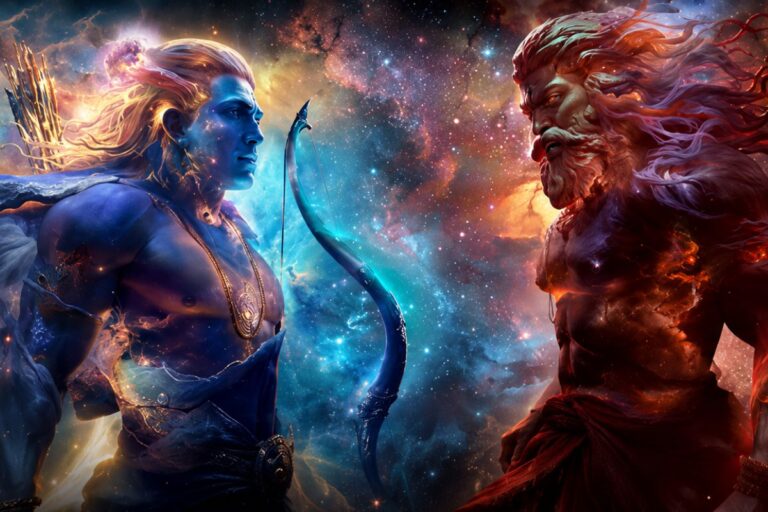
The word Manvadi comes from Manvantara, which is a huge period of time in Hindu teaching. You can think of it as a vast era. The scriptures divide time into these big chunks, and each one is ruled by a leader called a Manu. Swayambhuva was the very first Manu in this long cycle. When Swayambhuva Manvadi arrives, it marks a moment that connects us back to that ancient beginning. It acts like a birthday for a specific era of time. These days happen at specific points in the year and represent moments of cosmic importance. Creation itself feels closer and more real during this time.
Swayambhuva Manvadi 2026 Date
For the year 2026, the timing for this observance is quite specific.
- Date: Wednesday, April 1, 2026
- Tithi: Chaitra Shukla Tritiya (the third day in the bright half of Chaitra month)
- Meaning: This is the exact time when the ritual should be performed, rather than the day before or after.
In Hindu tradition, these exact dates matter because they align with planetary movements. This alignment makes the day more powerful for spiritual work.
Why This Day Is Auspicious
People believe that on Manvadi days, the bond between the living and the ancestors becomes stronger. This belief comes from old texts that say these times are best for remembering those who have passed away. The energy of your actions goes further on this day. Swayambhuva Manvadi is special because it touches the start of creation itself. It feels like touching something very old and important.
- For ancestors: Rituals done on this day reach departed family members more powerfully.
- For the family: Performing rituals can bring blessings and remove spiritual imbalance in the family line.
- For spiritual growth: The day supports meditation and prayer.
Rituals and What They Mean
The main rituals performed on this day focus on honouring ancestors. It is a quiet process.
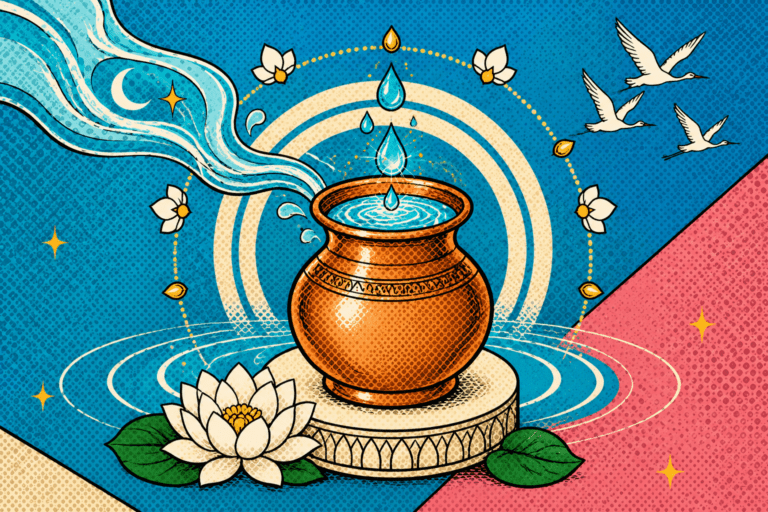
- People take ritual baths in sacred rivers or at home with clean water. Water is considered a purifier in these traditions. It washes away the stress of daily life and leaves the person ready for prayer.
- After the bath, they offer water and rice to the ancestors while speaking their names with love. This act is simple but holds deep meaning. The water represents life, and the rice represents nourishment. By offering these, you tell your ancestors that they are not forgotten.
- Fire rituals are also performed where offerings go into a sacred flame. Each action has a purpose. Bathing purifies the person, while offering water connects them to their lineage.
- Many people also give charity on this day. They give food or clothes to those in need. This extends the blessings beyond just family ancestors to all who are suffering.
Who Should Observe Swayambhuva Manvadi
The observance of this day is open to everyone who wishes to remember their roots. Any person in a family can perform these rituals. Traditionally, the eldest son leads, but daughters and other family members can participate too. The intention matters more than the strict rules of who does what. The best time to do these rituals is in the afternoon. This time is known as aparanha in Hindu tradition. You do not need a priest to perform these rituals, though many families ask for help. The most important part is the respect you hold in your heart.
Swayambhuva Manvadi serves as more than just a date on a calendar. It reminds us that we are part of a long chain of people stretching back through time. By performing these rituals, you connect to something ancient. It is a chance to pause and honour where we come from. In a busy modern world, these old traditions permit us to slow down. That is why this day has remained important for thousands of years.
Ask Agastyaa how honouring your ancestors on this day strengthens your family line and brings blessings into your life
Want personalised cosmic guidance?
Download AstroSure and chat with Agastyaa AI for insights tailored to your birth chart.
Download AstroSure