Is The Odyssey the Most Jyotish-Coded Story Ever Told?
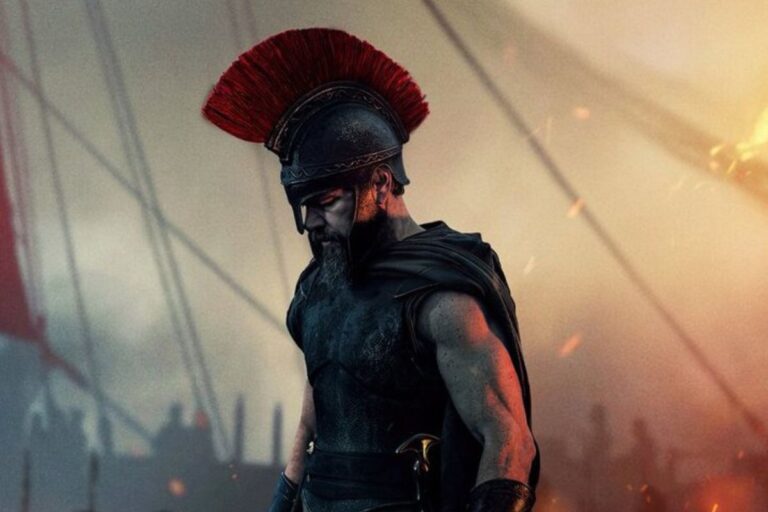
Christopher Nolan’s The Odyssey brought gods, monsters, storms, and one of literature’s greatest journeys to the big screen in Mumbai. But beneath the epic scale of Christopher Nolan’s direction lies a question familiar to anyone who has ever looked at their Kundli. If destiny already knows where we are going, why does the road depend on the choices we make? Odysseus knew exactly where he wanted to go. He wanted to return to Ithaca. Yet knowing his destination gave him zero control over his timeline. Gods interfered, storms changed his route, temptations delayed him, and his own decisions created consequences. Jyotish describes this perfectly as the exact meeting point between karma, planetary timing, and free will. Let us look at what this ancient Greek story can teach us about reading a modern birth chart.
Key Takeaways
- Odysseus knows where he wants to go, but he cannot control when or how he will arrive. His journey closely reflects the Jyotish relationship between destiny, timing, and free will.
- His intelligence carries the qualities of Budh, but the same cleverness repeatedly turns into pride, manipulation, and unnecessary risk.
- The years of delay, separation, loss, and patience feel deeply Shani-coded. The destination remains the same, but the journey changes the person trying to reach it.
- The Odyssey offers a simple way to understand a Kundli: the chart can describe the weather ahead, but you still have to sail the ship.
The Story Is Really About Karma and Free Will
The story is not about escaping fate. It is about how we meet it. Odysseus cannot avoid every difficult event on his journey, but he can decide how he responds to each one. This perfectly mirrors the relationship between karma and free will in Jyotish. A Kundli is not a fixed script where every single action is already decided. A birth chart shows recurring patterns, natural strengths, difficult periods, and emotional tendencies. But the person still has to make choices within those conditions. Think of your Kundli like a weather report for the sea. It may describe the season and warn you about the possibility of storms. It does not row the boat for you.
Was Odysseus Destined to Return Home?
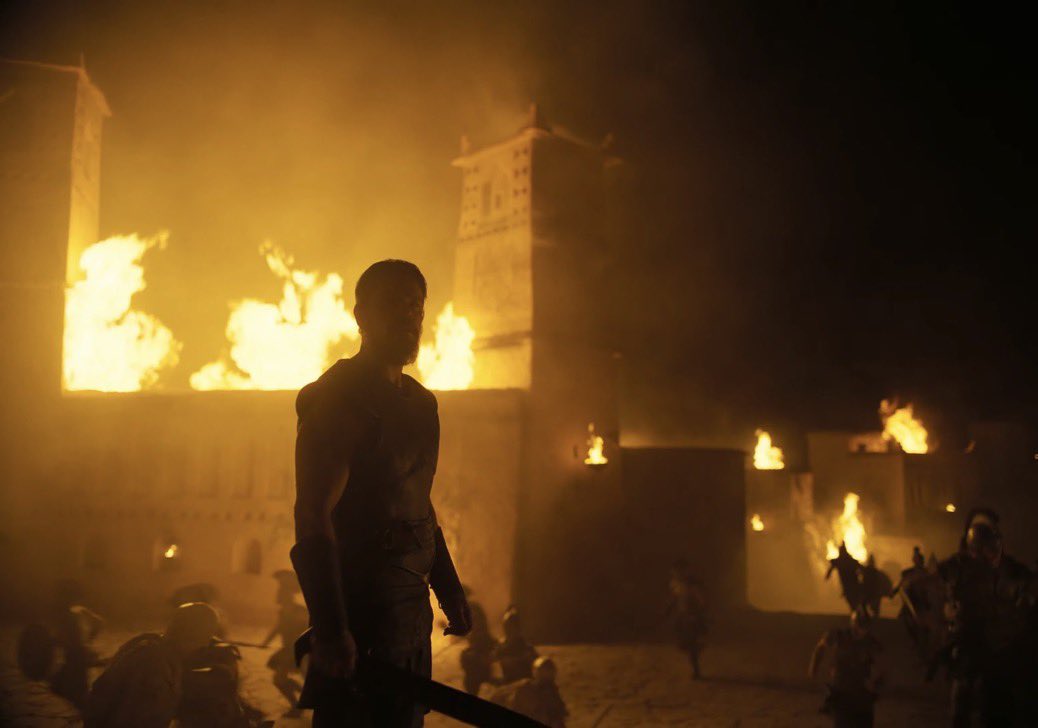
This is perhaps the strongest Jyotish connection in Christopher Nolan’s The Odyssey. Odysseus wants only one thing: to return home. But human effort alone cannot make it happen immediately. In Jyotish, a birth chart might show great potential for something, but the timing of when it happens is studied through planetary periods (Dashas) and transits. A person may know exactly what they want and work consistently towards it, yet experience massive delays until the appropriate period unfolds. Odysseus never loses sight of Ithaca. What he loses is his control over when and how he will reach it. This is a deeply relatable struggle. We experience this exact frustration in our careers, our marriages, and our family lives.
Odysseus Has the Intelligence and Shadow of Budh
When watching The Odyssey, you might expect the hero to be a pure warrior. But Odysseus survives because he is intelligent, persuasive, adaptable, and capable of disguise. These are classic Mercury (Budh) qualities. His intelligence repeatedly saves him, but cleverness can easily become manipulation, overconfidence, or unnecessary risk. Budh can find a route where none appears to exist. But intelligence without restraint can also create another detour. His journey is not just about fate. It is about whether his own intelligence can successfully navigate that fate without creating new problems.
Why Odysseus’ Long Delay Feels Like a Shani Lesson
Odysseus experiences long delays, separation from his family, isolation, humbling experiences, and rewards that simply cannot be rushed. This is the ultimate Saturn (Shani) lesson. The Saturnian question is always: What does time remove from a person before allowing them to receive what they want? Odysseus wins a big war but still cannot go home. His victory does not exempt him from his next lesson. Shani does not always change the destination. Sometimes, he lengthens the road until the person reaching the end is no longer the person who began the journey.
Rahu Does Not Block the Journey
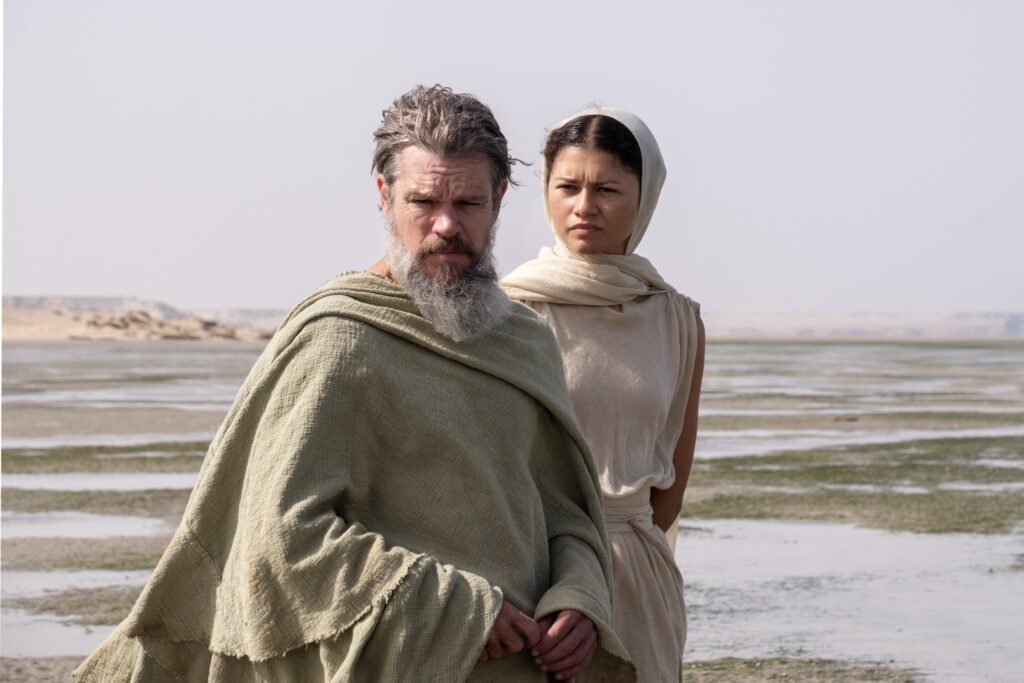
In Jyotish, Rahu represents the parts of our journey that pull us away from what we know. It is the energy of strange lands, desire, illusion, obsession, and experiences outside ordinary boundaries. During his journey, Odysseus faces temptations like the Lotus-Eaters, who make people completely forget their desire to return home. This perfectly resembles one of Rahu’s shadow expressions. We become so absorbed in immediate pleasure, fascination, or escape that our original purpose completely disappears. The most dangerous obstacle is not always the storm that prevents you from reaching home. Sometimes, it is the temptation that makes you forget why you wanted to return in the first place.
Is Ithaca a Place or the Life He Is Trying to Recover?
Odysseus is not just travelling towards an unknown reward. He is trying to return to his wife Penelope, his son Telemachus, his identity, and the life interrupted by war.
In Jyotish, Karka and the fourth house are associated with home, emotional security, inner peace, and the private self. This makes the journey psychologically deeper. Odysseus is not only asking how to reach Ithaca. He is asking a much harder question. After everything he has experienced and all the things he has done, can he still return to the person and the place he once called home?
Karma Shapes the Journey, but Does It Control Every Choice?
Odysseus faces plenty of divine interference, but not every difficulty is caused by the gods. Many of his problems emerge from his own pride, his inability to remain silent, and his decision to ignore repeated warnings. This matters because astrology is often completely misunderstood as an excuse that removes personal responsibility. A strong Jyotish message is that not every obstacle is destiny. Some are simply consequences, and wisdom lies in learning the difference between the two. When Odysseus defeats the Cyclops, he cannot leave quietly. His pride forces him to boast, which creates a new consequence. A strength can easily become the source of difficulty when it is not balanced. Intelligence becomes arrogance. Courage becomes recklessness.
Your Kundli Shows the Journey, but You Still Make the Choices
After years of war, loss, and survival, Odysseus cannot simply walk into Ithaca and resume his old life. He returns disguised, completely separated from his old identity and status. If life changes you completely, is returning home still a return, or is it just another beginning? Christopher Nolan’s The Odyssey reminds us that a birth chart may show the weather, but you still have to sail the ship. You might know your destination, but the timing, the obstacles, and the lessons learned along the way are what actually shape who you become when you finally arrive.
You know where you want to go. But why is the journey taking so long?
Ask Agastyaa what your current planetary phase is preparing you for. Get 4 questions free on AstroSure.
The Odyssey and Jyotish FAQs
1. Does Jyotish believe that every event in life is already decided?
No. A Kundli shows the karmic conditions a person is born into, including natural strengths, recurring challenges, and important periods of change. Free will still shapes how a person responds, what habits they develop, and which choices they make within those conditions.
2. What is the difference between karma and fate in Jyotish?
Karma includes the actions and consequences carried into the present, while fate is often understood as the part of those conditions that has already begun to unfold. Jyotish also gives importance to present action because the choices made now continue creating future karma.
3. Can a strong birth chart still bring long delays?
Yes. A chart may show the potential for success, marriage, recognition, or another important goal, but the result often depends on the right Dasha and supporting transits. Strong potential does not always mean immediate results.
4. Why can the same planetary quality become both a strength and a weakness?
Every planet has constructive and difficult expressions. Budh can bring intelligence and adaptability, but the same qualities can become manipulation or overconfidence. Mars can create courage, but without restraint, it can become aggression or recklessness.
Want personalised cosmic guidance?
Download AstroSure and chat with Agastyaa AI for insights tailored to your birth chart.
Download AstroSure